Understanding the Death Seat in Vehicles: What Dog Parents Need to Know
Where your dog sits in a car matters much more than most people realize. The “death seat” is an unsettling term for a real safety risk. In vehicles, it commonly refers to the front passenger seat, which research consistently labels as the most dangerous spot in terms of fatality risk. This guide examines the reasoning behind this label, its implications for pets, and actionable tips for safer travel with your dog.
What Is the Death Seat? Facts and Research
The front passenger seat is known as the “death seat” because it carries a statistically higher risk of fatal injury in motor vehicle accidents. According to multiple published studies:
- Rear seats are about 26% safer than the front seats for all occupants, according to AAP Grand Rounds and PubMed.
- The center rear seat further reduces fatality risk due to its position farther from impact zones.
- Children under 13 should always ride in the rear — risk of fatal injury drops by up to 46% in this position (IIHS).
- The front passenger seat faces higher threat during head-on (frontal) and side collisions, which together account for most fatal car crashes.
For pets, similar principles apply. Restraint and proper seat choice make a difference in injury outcomes during an accident. However, while there’s less direct data on canine car injuries, leading authorities like the USDA and AVMA agree: dogs should never ride unrestrained in the front seat.
Statistical Insights: Why Is the Front Passenger Seat the Most Dangerous?
Most serious and fatal crashes involve the front of the vehicle. Here’s why the front passenger seat is so hazardous:
- Direct exposure to frontal impacts (which account for over half of fatal crashes).
- Proximity to airbags that can be lethal to pets and children when deployed.
- Greater vulnerability in side-impact collisions.
- Limited space and more “hard” surfaces compared to rear seats.
By contrast, the center rear seat is considered the safest for both human and animal passengers, removed from common impact zones and generally cushioned on both sides by other seats.
Choosing the Safest Spot: Where Should Your Dog Sit in the Car?
Best Practice Recommendations for Pet Owners
For optimal canine safety, follow these guidelines:
- Place Your Dog in the Rear Center Seat
This spot offers the greatest crash protection. If unavailable, choose a rear outboard seat, avoiding the front passenger seat whenever possible.
- Always Use a Crash-Tested Restraint or Carrier
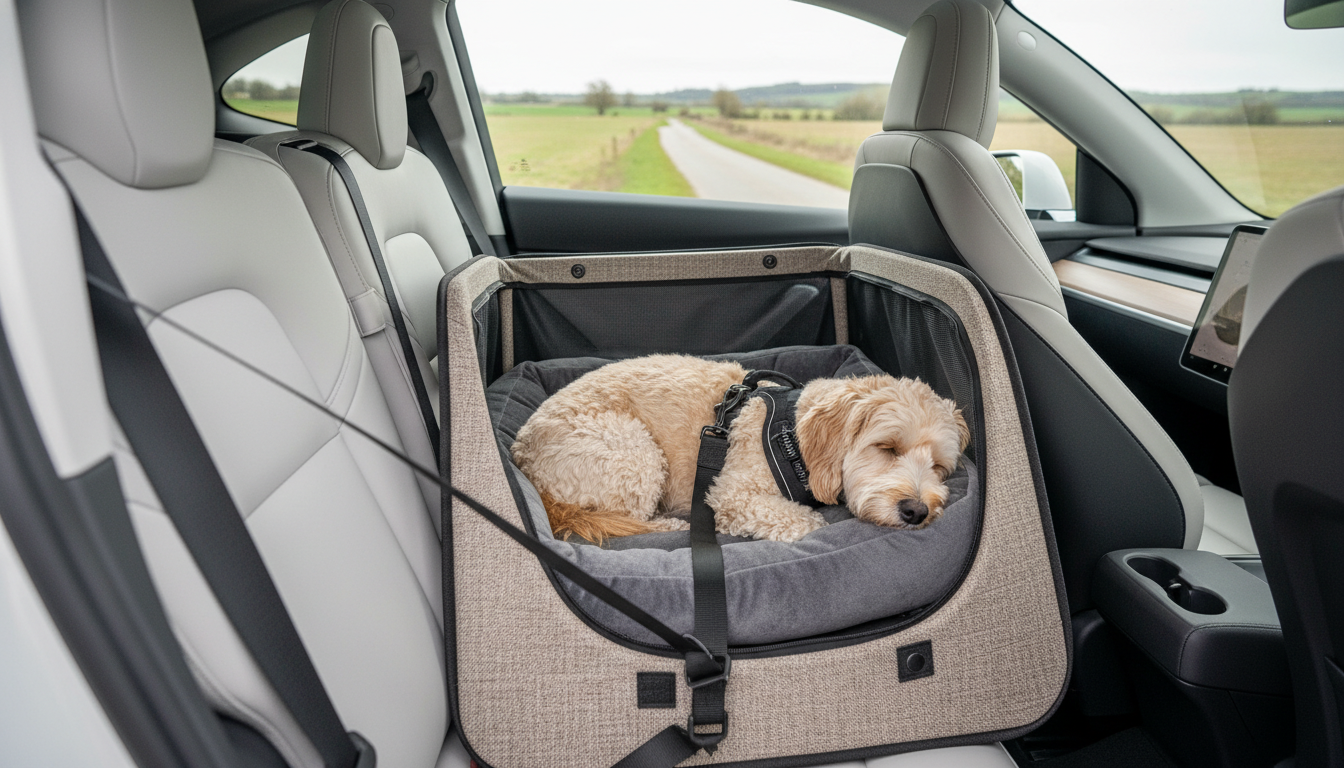
Harnesses, seat belts, and crash-tested carrier bags developed for dogs (like the Dog Carrier Bag Black “Seashell”) prevent injury by restricting dangerous movement.
- Integrate Orthopedic Dog Beds for Comfort
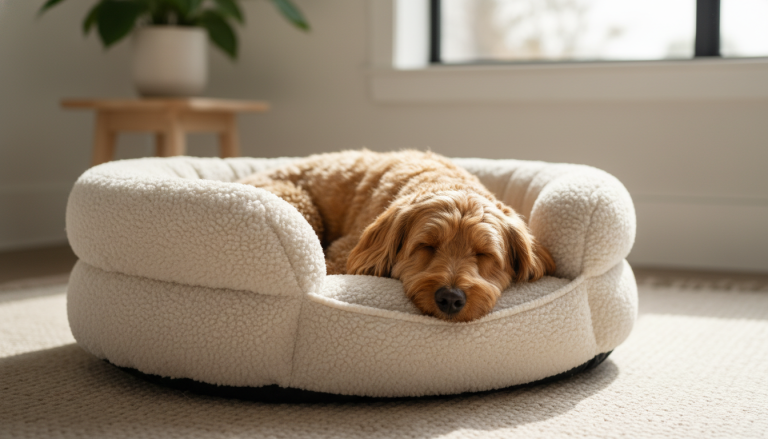
Use soft, supportive bedding (such as the Mellow Mat Dog Bed) for longer trips to minimize fatigue and reduce anxiety.
- Prepare Essentials with Waterproof, Organized Bags
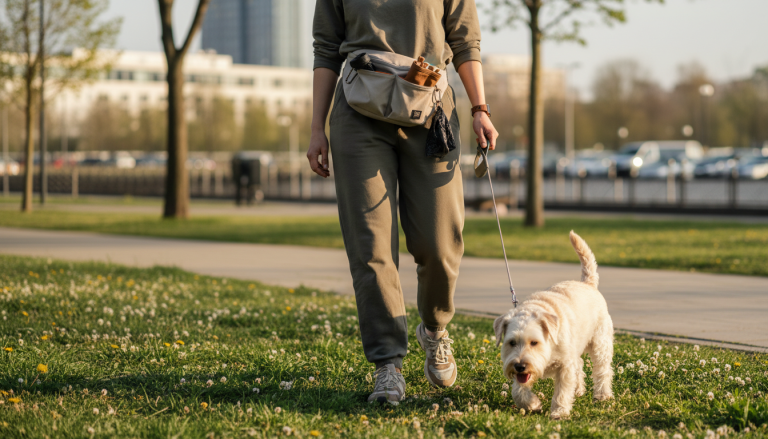
Keep water, leashes, snacks, and a first-aid kit in a waterproof walking bag like Red Rover for emergencies or comfort breaks.
Dog Safety Equipment: What to Use and Why
Modern pet travel gear is specifically designed for comfort and impact protection. Popular, effective options for small to medium breeds include:
- Dog Carriers and Booster Seats: Secure, padded, and ergonomic, these keep your dog contained and protected. The Puff Puppy Car Seat Carrier is excellent for extended rides.
- Pet Harnesses and Seat Belts: Prevent sudden movements, which can cause serious injury in sharp stops or crashes. Look for crash-tested models sized to your dog’s weight and breed.
- Portable Orthopedic Bedding: Offers health benefits, reduces travel anxiety, and mitigates pressure points (especially for older dogs).
- Travel-Ready Walking Bags: Waterproof design, easy organization, and eco-friendly materials reflect responsible pet parenting and style.
For detailed testing and ranking of pet car restraints, refer to the Center for Pet Safety.
Benefits of Proper Seat Choice and Travel Setup
- Lower injury and fatality risk in all types of car crashes
- Improved comfort, reduced anxiety and carsickness
- Happier, more peaceful journeys for both pet and owner
- Adherence to good pet travel etiquette and legal guidelines
Tips for Small and Medium Dog Travel
Smaller breeds are more vulnerable to injury from sudden stops. Extra cushioning, a secure carrier, and easy-access walking bags ensure safety and happiness throughout every journey. Explore dedicated products for small and miniature dogs—these often come with adjustable fit and plush comfort, aligning with King Wuff’s signature focus on miniature and small-medium breeds.
Trusted Resources on Vehicle Safety and Pet Travel
Conclusion: Make Every Journey Safe and Enjoyable
Understanding the risks of each car seat can save lives—both human and canine. For the safest, most enjoyable trips, place your dog in the rear center seat secured by a robust harness or a crash-tested carrier. Combine this with orthopedic bedding and organized accessories to deliver the signature King Wuff experience: safe, stylish, and worry-free travel for both you and your pet.
Ready to upgrade your dog’s travel safety and comfort? Explore King Wuff’s premium collection of dog carrier bags, orthopedic beds, and walking bags designed specifically for modern, caring dog parents.


Leave a comment