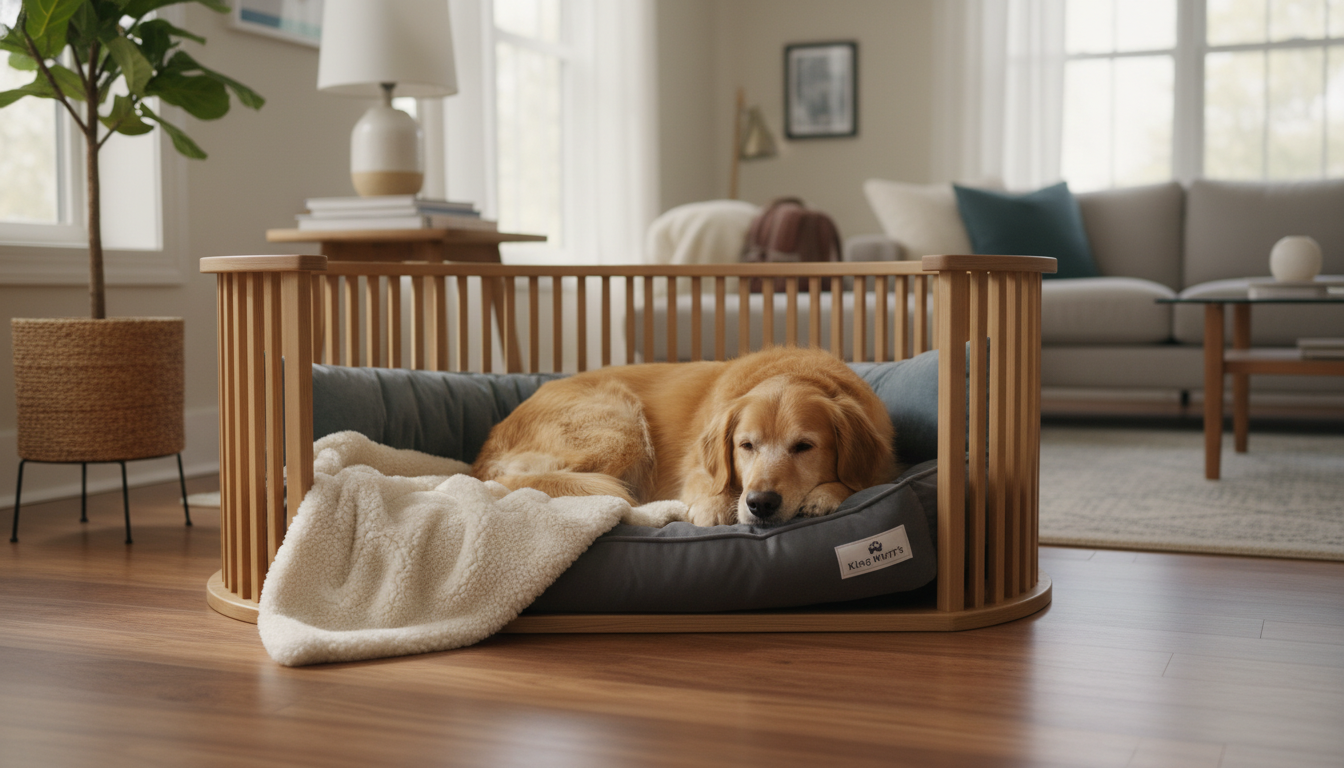
Choosing the right place for your dog’s crate goes far beyond convenience—it’s a matter of your dog’s physical and emotional health. Place the crate in the wrong spot, and you risk anxiety, overheating, or even safety hazards. At King Wuff, our mission is to equip modern pet parents with solutions that maximize their dogs’ comfort and security. This guide, backed by the latest veterinary and expert recommendations, will show you exactly where not to put a dog crate, plus actionable steps for setting up a stress-free rest zone at home.
Crate location is about more than finding an empty corner. Here are the most common problem areas—and why you should avoid them:
| Worst Places for a Dog Crate | Why to Avoid |
|---|---|
| Basements, Garages, Laundry Rooms | Isolated, poor airflow, can make dogs feel abandoned, risk of fumes, dust, or chemicals (River Valley Veterinary Service) |
| High-Traffic or Noisy Spaces | Kitchens, entryways, or right by the front door can cause overstimulation and stress (Animal Wellness Magazine) |
| Near Heat Sources or Drafts | Risk of overheating (next to radiators, vents) or chills (by drafty windows/doors) |
| Direct Sunlight or Windows | Exposure to direct sun, or too much outside activity, increases anxiety and heat risk |
| Near Electrical Outlets or Cords | Potential for chewing hazards and accidents (Preventive Vet) |
| Rooms with Poor Ventilation | Stale air and humidity can lead to discomfort and respiratory issues |
For an expert guide on creating a peaceful crate environment, see the PetMD crate care guide.
Smart placement ensures your dog sees the crate as a positive, secure space, not a punishment or banishment. Here’s how to get it right:
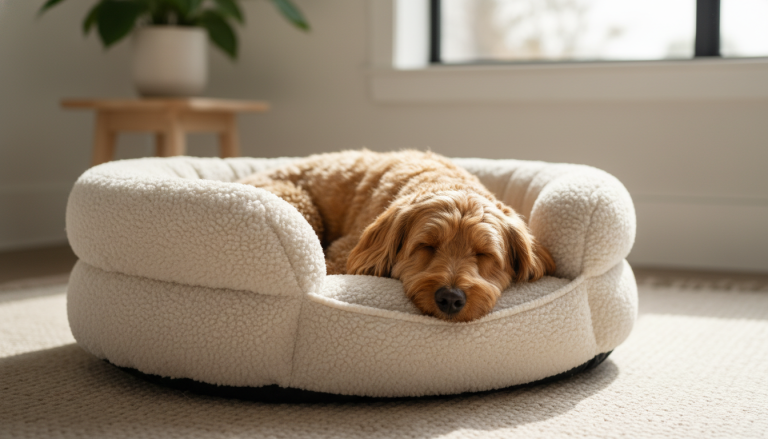
Beyond smart placement, crate comfort starts with the right bedding and accessories. King Wuff’s Mellow Mat Dog Bed provides orthopedic, eco-friendly support—helping dogs of all ages rest peacefully. Our Cloud Cushion Round Bed fits neatly in crates and has soft bolstered sides for head and neck support.
Many dogs enjoy extra den-like security. You can drape a breathable blanket over part of the crate—but never cover vents or airflow areas, and supervise your dog to make sure they’re comfortable. Proper covers can help anxious dogs feel safer (see the Cornell Canine Health Center guide).
| Best Places | Worst Places |
|---|---|
| Quiet, social area (living room, den) | Isolated basement, garage, or laundry room |
| Bedroom (especially puppies or anxious dogs) | Direct sunlight or by radiator/heater |
| Owner’s home office or workspace | Right by entry ways, loud household zones |
| Ventilated, temperature-stable area | Next to electrical cords or chemical storage |
For single dogs, especially puppies or anxious pets, the bedroom can be ideal at night for companionship and reassurance. For multiple dogs, choose carefully to prevent night-time disruptions.
Yes, as long as it’s not in the middle of constant foot traffic. A quiet living room corner gives your pup comfort and the feeling of inclusion.
Avoid direct sun and busy window views—these can cause overheating and overstimulation.
These locations are too isolated, poorly ventilated, and may expose your dog to dust, fumes, or chemicals—making them both unsafe and stressful.
Choose orthopedic, washable bedding and safe toys. King Wuff accessories add both comfort and premium style for every rest session.
Where you place your dog’s crate has a profound effect on their health, confidence, and happiness. Avoid isolating, uncomfortable, or unsafe areas—and choose a well-ventilated, secure spot where your pup feels like family. Enhance that safe zone with King Wuff’s orthopedic bedding and travel-friendly gear to give your dog the gift of everyday comfort, at home or on the go.
Ready to upgrade your dog’s crate experience? Explore our collection of premium beds and carriers for the ultimate in canine care and comfort. For more tips and expertise, visit the AVMA’s official crate training guide.

Leave a comment