What Sedative Can I Give My Dog for a Long Car Ride? A Comprehensive Guide from King Wuff
Long road trips with your dog sound like an adventure, but for many pets, it means stress, anxiety, or even nausea. Choosing an appropriate sedative—and pairing it with smart travel accessories—can turn a difficult journey into a safe and comfortable experience for your loyal companion. This guide breaks down the medications, best practices, and King Wuff travel solutions for dog parents who never compromise on comfort or safety.
Why Do Dogs Experience Stress and Motion Sickness in Cars?
Many dogs are prone to travel anxiety or car sickness, especially if they have not been acclimated to vehicle rides. Signs include drooling, whining, vomiting, panting, shaking, or restlessness. Untreated, these symptoms may intensify, making every mile harder for both the dog and owner. Sensory overload from sights, sounds, or motion, paired with lack of familiarity, often triggers these behaviors.
Some dogs may need more than reassurance—they require safe, vet-approved medication to ease their travels. However, no sedative should be administered without a veterinarian’s recommendation. An inaccurate dosage could result in adverse effects ranging from excessive drowsiness to life-threatening complications.
Best Sedatives for Dogs During Long Car Rides
Vet-Prescribed Sedatives
- Gabapentin: Originally for seizures and pain, gabapentin provides gentle calming effects and is well-tolerated by many dogs. Vets often recommend a trial dose before travel.
- Acepromazine: A tranquilizer that reduces anxiety and nausea but can overly sedate some dogs or cause prolonged lethargy. Only use under veterinary guidance as reactions vary by breed and health.
- Cerenia (Maropitant Citrate): The only FDA-approved anti-nausea medication for dogs. It relieves motion sickness without drowsiness and lasts for 24 hours, making it ideal for lengthy trips.
- Trazodone: Useful for dogs that struggle with situational anxiety, trazodone calms without heavy sedation but generally works best when integrated into a broader calming strategy.
Over-the-Counter (OTC) Sedative Options
- Antihistamines: Common motion sickness medications for humans, like meclizine (Bonine), dimenhydrinate (Dramamine), and diphenhydramine (Benadryl), can be safe for dogs—but only with exact vet-recommended dosing. Incorrect amounts can be dangerous.
- Natural Supplements: Calming aids with ingredients such as melatonin, L-theanine, chamomile, and CBD are growing in popularity for mild cases of anxiety but aren’t as rigorously regulated or studied as prescription meds.
What About Human Medications?
Some OTC human medications are considered safe, but misuse can be toxic. For example, Benadryl is often used to calm dogs, but reactions and safe dosages differ widely. Never improvise—always confirm dosing and suitability with your vet. For further medical safety research, explore the ASPCA Animal Poison Control Center.
How to Safely Use Sedatives During Car Travel
- Consult your veterinarian: Receive recommendations customized for your dog’s age, breed, health, and travel length. Your vet will warn about potential drug interactions if your dog is on other medication.
- Trial at home: Administer a test dose several days before the trip in a familiar environment. Monitor for unexpected drowsiness, restlessness, or adverse reactions.
- Measure precisely: Use a vet-approved syringe or pill cutter if splitting tablets. Never estimate doses based on body weight alone.
- Time it right: Some sedatives act within 30-60 minutes, while motion-sickness meds like Cerenia may be given up to two hours before departure.
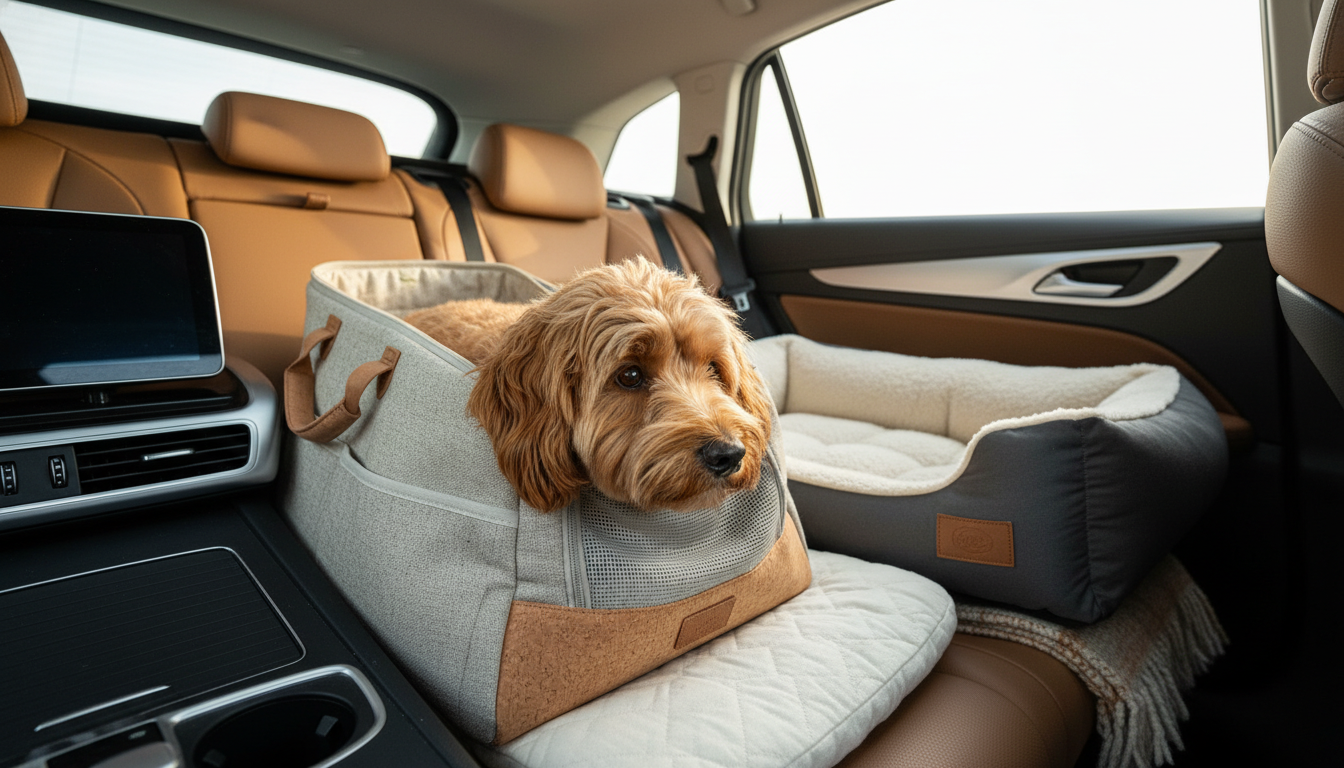
- Create a soothing travel space: Pair medication with a familiar, ergonomic travel carrier and orthopedic bedding from King Wuff for maximum comfort and reduced stress.
Always monitor your dog during travel and stop immediately if you notice trouble breathing, vomiting, or agitation. Bring your vet’s contact information and your dog’s medical history in case of emergency.
King Wuff Comfort Solutions: Travel Accessories That Make a Difference
Medications work best when paired with thoughtful travel accessories. King Wuff’s Puff Puppy Dog Car Seat Carrier Bag combines safety, structure, and plush comfort. Small and medium breeds rest securely, keeping stress levels lower throughout the journey.
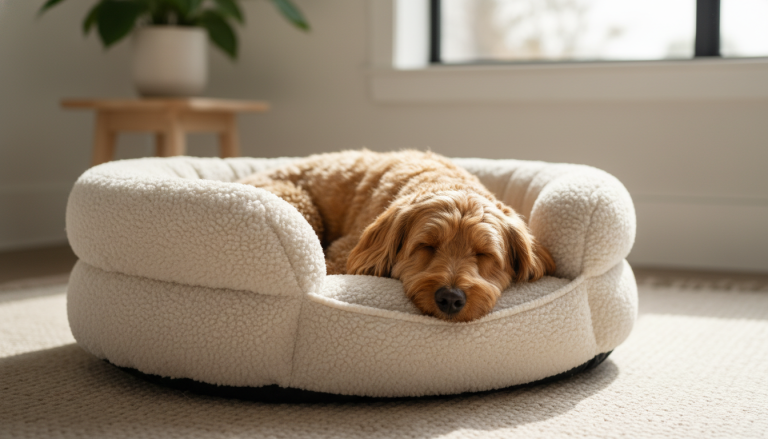
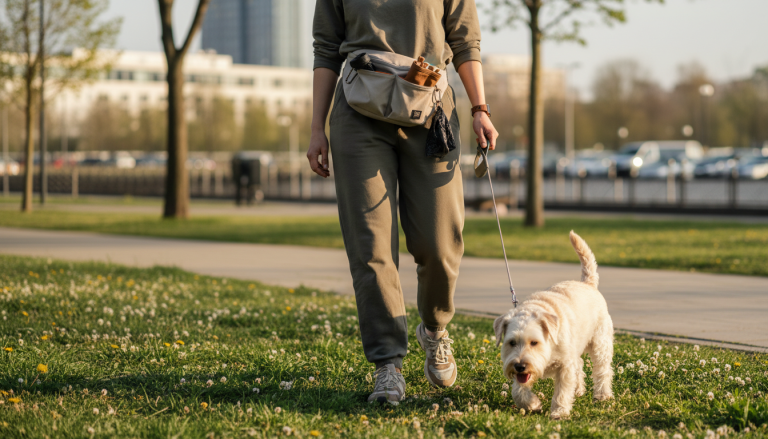
During rest stops, the Mellow Mat Orthopedic Dog Bed supports joints and encourages true relaxation. It’s crafted from durable, eco-conscious materials chosen for their support and resilience. Organize snacks, meds, and leashes in the Red Rover Waterproof Dog Walking Bag—a must-have for travel-savvy dog moms and dads.
For more research and advice on creating a travel-friendly environment for your pet, check out these Fear Free Travel Resources and insights from the American Veterinary Medical Association.
Non-Sedative Ways to Reduce Dog Travel Anxiety
- Slow conditioning: Acclimate your dog to car trips with short, positive rides before attempting longer journeys.
- Familiar objects: Travel with your dog’s blanket, favorite chew, or clothing that smells like home for easy comfort.
- Environmental comfort: Control temperature and avoid loud music or abrupt movements; a comfortable carrier and orthopedic bed can greatly reduce anxiety.
- Planned breaks: Schedule frequent stops for water, bathroom breaks, and brief play.
- Consistent routines: Feed and exercise your dog at usual times on travel days whenever possible.
Frequently Asked Questions
Conclusion
Travel doesn’t have to be stressful for your dog. The right combination of a veterinarian-approved sedative and thoughtfully designed comfort products like King Wuff Carriers and Orthopedic Beds ensures safety, style, and serenity for every journey. Prioritize your dog’s health and wellbeing with professional advice, and transform future trips into positive adventures.
Ready to upgrade your dog’s next car ride? Explore the King Wuff collection and give your furry family member the comfort and calm they deserve, wherever the road takes you.


Leave a comment