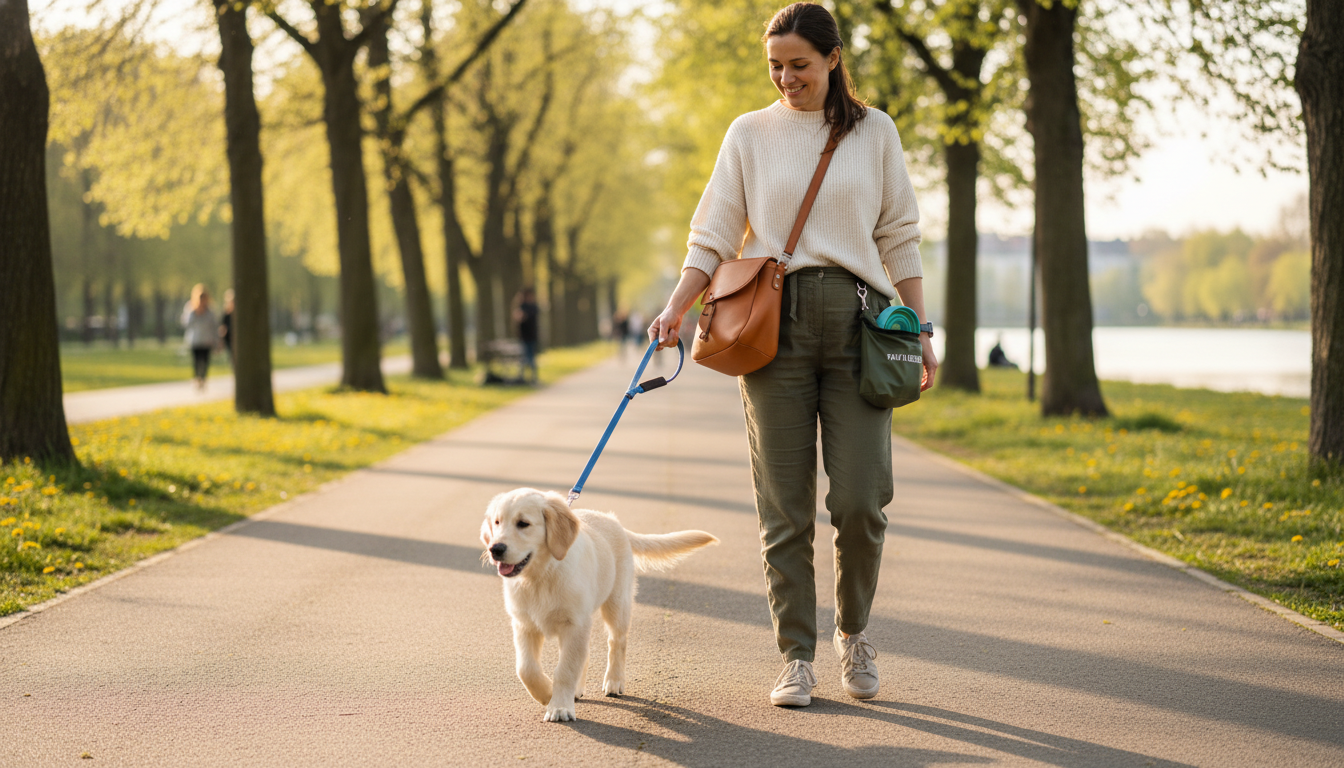
The 5-minute rule is a practical exercise guideline for growing puppies. It recommends providing a maximum of five minutes of structured exercise per month of age, once or twice daily. For example, a 4-month-old puppy should ideally have up to 20 minutes of structured exercise per walk, no more than twice a day. This rule offers a simple, math-based way to prevent overexertion in puppies during their formative months.
Structured exercise includes leash walking, brief training games, or low-impact play, and excludes free play at home or self-paced movement in the yard. The core aim: helping your puppy’s joints, bones, and muscles develop safely, while avoiding injuries associated with excessive activity. Read more from the American Kennel Club (AKC).
Puppies’ skeletal systems are still forming during the first 12–18 months, especially in medium and large breeds. Overdoing exercise—even with the best intentions—can lead to joint injuries, growth plate damage, and chronic orthopedic problems later in life. Organizations like Blue Cross UK and Paws in Work emphasize moderate, age-appropriate movement as the safest path to healthy growth.
Excessive or repetitive activities like jogging, prolonged fetch, or jumping are discouraged. Instead, short, gentle walks and playful interactions foster better coordination and socialization without stressing developing bodies. Scientific consensus holds that controlled exercise safeguards against future orthopedic concerns—making this rule a trusted routine among breeders, trainers, and veterinarians alike.
Multiply your dog’s age in months by five for each walk or training session. For instance, a 3-month-old = 15 minutes, a 5-month-old = 25 minutes, etc. This helps you plan walks in a way that’s appropriate for their growth stage.
Let your puppy play freely in a safe, enclosed environment. Free play lets them self-regulate their rest and excitement. Always supervise to avoid hazardous climbing, jumping, or rough play, especially around stairs or hard surfaces.
Signs like panting, limping, lagging behind, or outright refusal to move mean it’s time to stop. Puppies can’t self-limit the way adult dogs often do, so listening to their cues is critical.
Brachycephalic (flat-faced) breeds need even shorter, less-intense walks. Hot weather or inclement conditions demand special care—avoid strenuous activity during the hottest hours and provide plenty of water and rest breaks.
When exercise time is up, but you still want your puppy to experience the outside world, a secure carrier bag like the Dog Carrier Bag Black “Seashell” offers a stress-free, ergonomic solution. Ideal for public places, errands, or longer trips, it keeps young dogs safe from overexertion and environmental hazards.
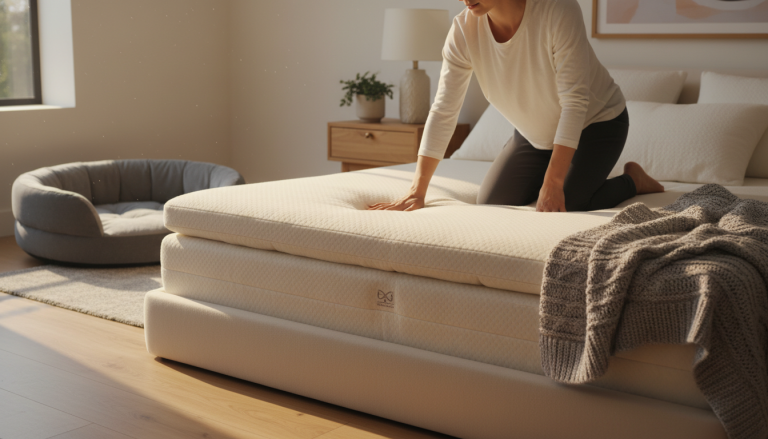
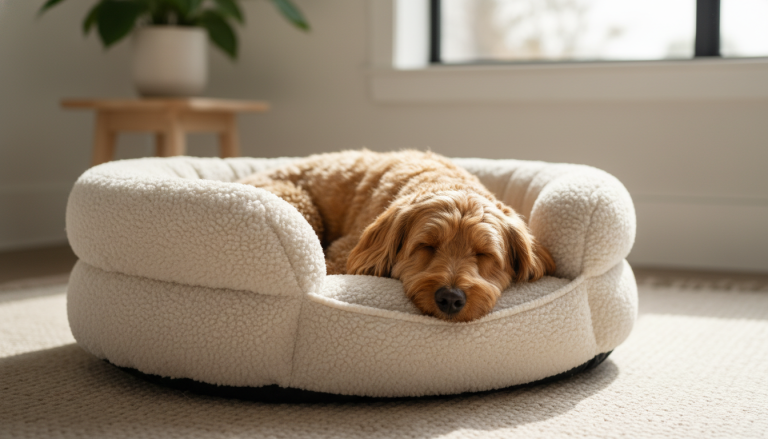
After any activity, puppies need high-quality rest to support musculoskeletal growth. The Mellow Mat Orthopedic Dog Bed is engineered to cushion and align developing joints, reducing the risk of growth plate injuries while ensuring restorative sleep.
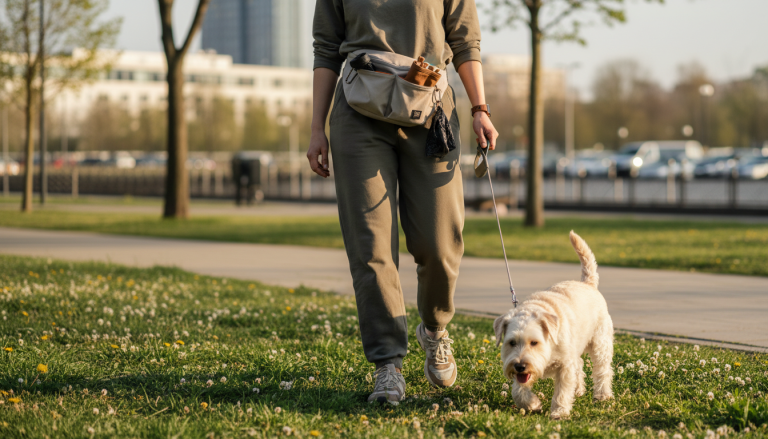
Keep water, healthy treats, and waste bags handy during structured walks with the Red Rover Dog Walking Bag. Designed for convenience and comfort, it supports your daily puppy routine and provides ample space for everything a new pet parent might need.
The 5-minute rule gives dog parents a proven, practical path to safe, measured puppy exercise. By matching structure and freedom, and trusting products that support your puppy’s health—like King Wuff carriers and orthopedic beds—you invest in your dog’s long-term comfort and happiness. For more guides, visit our puppy care blog and discover tools trusted by responsible dog families. Start your healthy puppy journey today!

Leave a comment