Understanding Safety for Dogs in the Car
Dog safety during travel is more than a convenience—it’s a necessity. Unrestrained dogs are at significant risk of injury in the event of sudden stops or accidents, both to themselves and passengers. Studies show that securing your dog with an appropriate restraint not only improves their safety but also reduces distractions while driving, making the experience safer for everyone (Automotive Testing Technology International).
Crash-Tested Dog Harnesses: What the Latest Research Shows
Proven Performance and What to Look For
Independent crash testing, such as by the Center for Pet Safety (CPS), highlights that only a few harnesses can be counted on in real-world impacts. The Sleepypod Clickit Sport is a top performer, earning a Five Star safety rating for its three-point design and energy-absorbing vest (Caninescape 2025 Review).
- Look for harnesses certified by independent crash testing organizations, not just manufacturer claims.
- Check for proper fit: you should be able to slip no more than two fingers between the straps and your dog’s body.
- Avoid extension tethers; crash data proves they increase risk during collisions.
Harnesses are especially useful for small to medium breeds and for families with compact vehicles. They limit a dog’s forward and lateral movement, protecting dogs and minimizing the chance they’ll become dangerous projectiles.
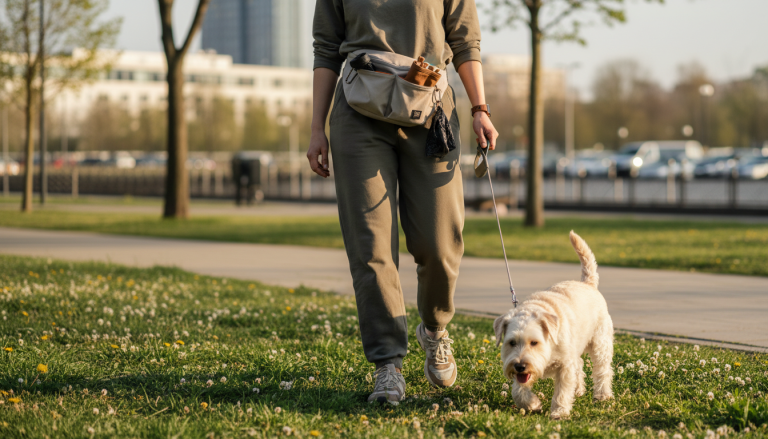
For every trip, organize your on-the-go essentials with ergonomic accessories like the King Wuff Dog Walking Bag “Red Rover”.
High-Performance Car Crates: Reliable Protection Through Containment
Why Crash-Testing Matters
Only heavy-duty, crash-tested crates such as the Gunner Kennel are proven to maintain structural integrity in serious accidents (Car and Driver: Best Dog Car Seats & Restraints).
- Choose crates that earned high marks for door strength, anchoring stability, and durable construction.
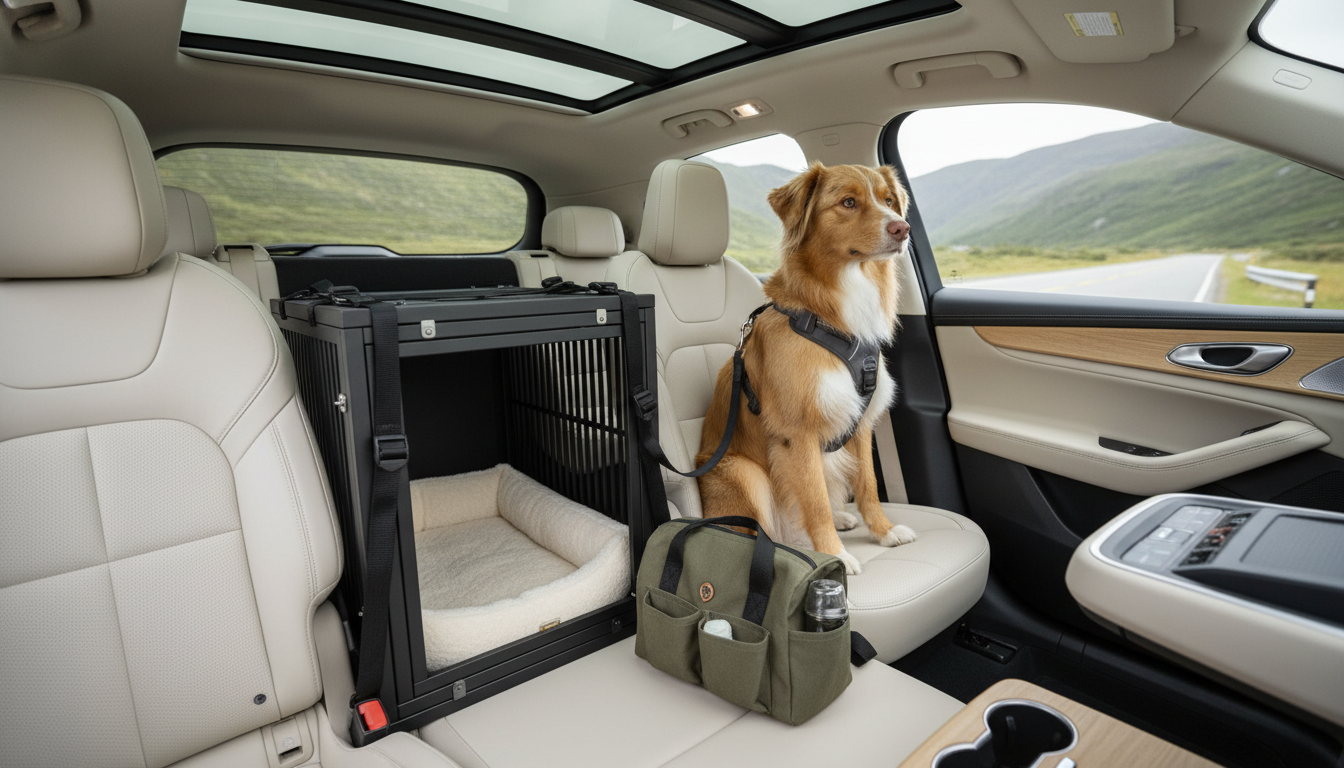
- Secure the crate firmly in your vehicle, using both the car’s seatbelt system and anchor points designed for the crate.
- Opt for a crate size that lets your dog stand, turn, and comfortably lay down, but does not allow excessive movement.
Crates can be the preferred option for high-impact protection and offer a comforting den-like space, helping anxious dogs or those needing extra neck and spine support during travel.
For extra comfort, equip your crate with a premium orthopedic dog bed like the Mellow Mat to support your dog’s health and comfort.
Crate vs. Harness: How to Choose the Safest Option for Your Dog
Factors to Consider
- Dog’s Size and Breed: Harnesses work well for smaller dogs or dogs who dislike confinement. Crates are ideal for medium to large dogs or for those who may panic if tethered.
- Vehicle Space: Compact or standard sedans may not accommodate bulky crates, making harnesses more practical. SUVs and larger vehicles can often fit crash-tested crates securely.
- Health and Behavior: Dogs with back pain or who are escape artists may benefit more from crates. For others, the freedom of a harness is more comfortable.
- Trip Duration and Frequency: For long road trips, a crate with a comfortable bed can prevent fatigue. For short trips, a well-fit harness may be simpler and just as safe when correctly installed.
- Personal Peace of Mind: Some owners feel more confident with a visual on their pet—harnesses suit this preference, while crates offer more containment security.
For stylish and functional safety options, the Tote’n’Go Carrier offers a chic, crash-tested carrier solution for small and miniature breeds.
Safety Tips: Maximizing Protection for Your Dog During Car Travel
- Always select restraints or crates with up-to-date crash-test certification (such as those from CPS).
- Acclimate your dog to their safety device over several short sessions before your first long journey.
- Perform regular checks of your restraint’s integrity, fit, and cleanliness—replace products at the first sign of wear.
- Never travel with your dog loose in the car or using uncertified extension tethers.
- Keep the dog in the rear seat area; airbag deployment poses a risk in the front seat.
Review the CDC Pet Travel Safety Guidelines for official recommendations from a public health perspective.
Frequently Asked Questions
Conclusion: Prioritize Your Dog’s Wellbeing on the Road
Protecting your dog while driving means more than just compliance—it’s an act of care. The safest solution is one that suits your pet’s individual needs, your car’s capabilities, and your peace of mind. Select only rigorously crash-tested harnesses or crates from trusted brands, follow setup and acclimatization best practices, and check your equipment before each trip.
Give your furry friend the best in both safety and style—explore King Wuff’s curated collection of dog travel essentials made with premium, ergonomic, and eco-friendly design. Let your next road adventure be your safest, happiest one yet!



Leave a comment