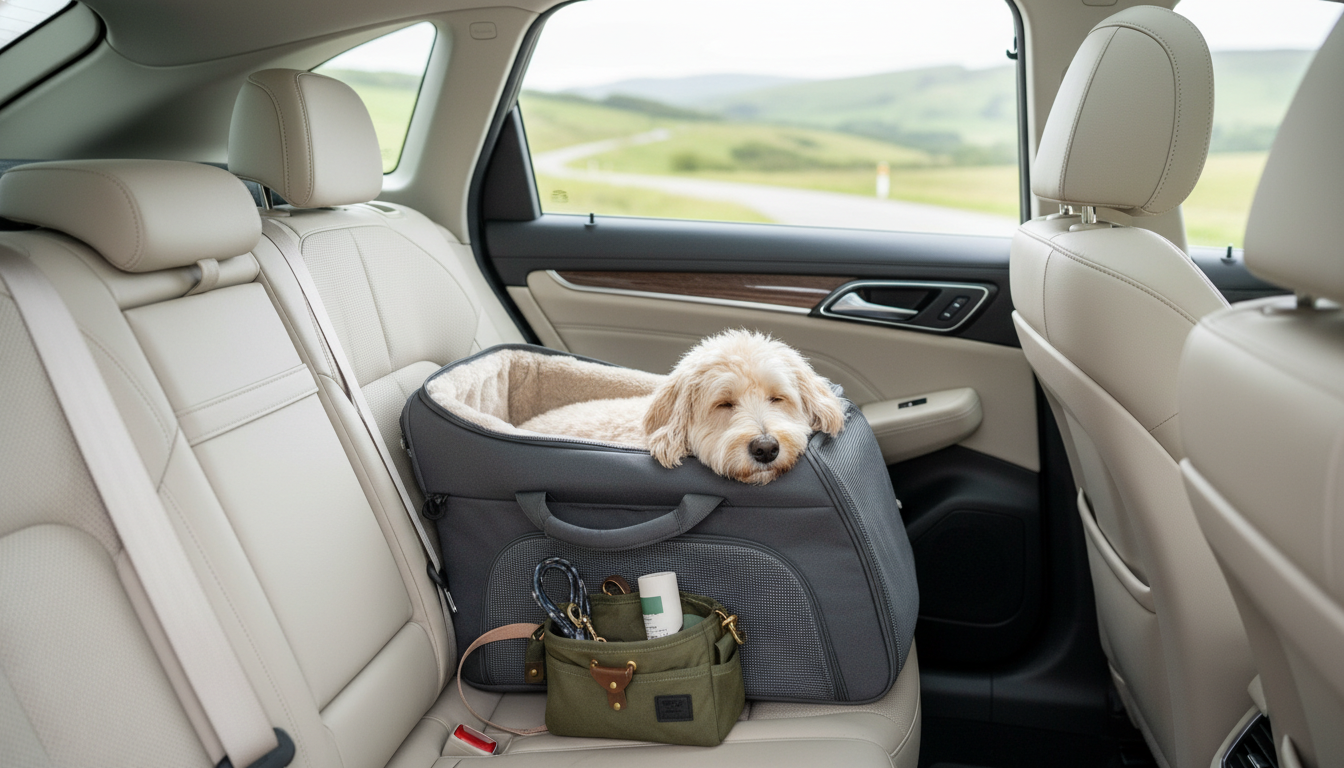
When planning a car trip with your furry friend, your top priority should be their comfort and safety. While dogs love to join their humans on adventures, spending too much time in a vehicle can quickly become stressful and even hazardous for them. Factors such as age, breed, health, and temperament affect how long your dog can travel comfortably in a car. Below, we’ll explore expert recommendations and practical strategies to ensure every journey with your dog is enjoyable and secure.
Unlike humans, dogs can’t communicate their discomfort easily or take themselves for a walk during a long drive. Prolonged confinement in a car can cause anxiety, muscle stiffness, dehydration, and in severe cases, heatstroke or hypothermia. Small and miniature breeds are especially vulnerable due to their size and physiology, making regular breaks and proper planning essential. According to veterinary experts, keeping car rides short and ensuring frequent stops helps reduce both physical and mental stress in your dog. Learn more about travel stress in dogs from the American Kennel Club.
Most veterinarians and pet safety organizations recommend that dogs should not travel for more than two to four hours without a break. During each stop, your dog should have access to water, a bathroom break, and the opportunity to stretch and move around. For puppies, seniors, and brachycephalic (flat-faced) breeds, breaks should occur even more frequently. Extended trips without these intervals place your dog at greater risk for health issues and anxiety. For more details, see guidance from ASPCA.
| Dog Type | Max Continuous Time in Car | Break Frequency |
|---|---|---|
| Healthy Adults | 2 hours | Every 2 hours |
| Puppies/Seniors | 1–1.5 hours | Every 1–1.5 hours |
| Brachycephalic Breeds | 1 hour | Every hour |
Keeping your dog both comfortable and secure is key for a relaxing road trip. Use a carrier bag or crate that is well-ventilated and sized for your dog to stand, turn, and lie down. Crash-tested harnesses or seat belts further prevent injury and distraction.
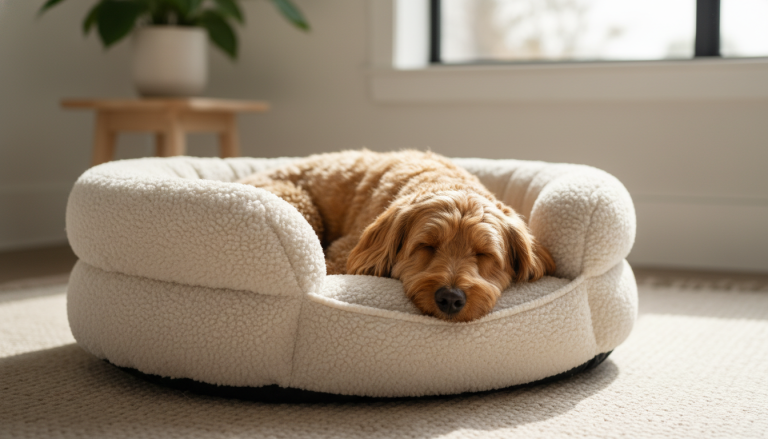
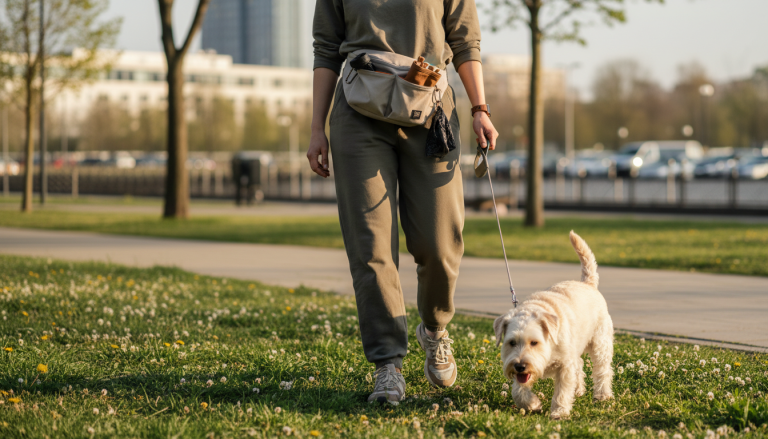
Bring along a supportive, orthopedic travel mat for rest during stops—this is especially helpful for small or senior dogs that need extra joint support. Organize all your travel essentials in a waterproof dog walking bag so treats, water, bags, and comfort items are always at hand.
These practical tools reduce restlessness and anxiety, letting your dog settle down more quickly during both travel and breaks. For a deeper dive into best products for pet travel safety, visit this article by Petful.
Familiarize your dog with the car by taking short trips first. Reward calm behavior and gradually increase ride time over several sessions. Avoid overwhelming your dog with long rides right from the start.
Map your route with planned stops every two hours at dog-friendly locations. Look for shaded, calm spots for bathroom and exercise breaks. Avoid high-traffic rest areas whenever possible.
Use a harness, carrier, or dog seat belt secured to the vehicle. Never allow dogs to ride in the front seat or stick their head out the window, as possible debris impact and sudden stops can cause injuries.
Watch for signs of restlessness, overheating (excessive panting, drooling), or anxiety (whining, shaking). If your dog seems unwell, pull over and offer water. Seek veterinary care if symptoms do not resolve quickly.
Heatstroke can develop within minutes inside a parked or poorly ventilated vehicle—even with outside temperatures as low as 70°F (21°C). Never leave your dog unattended in a parked car, regardless of weather or shade. In colder weather, small and miniature breeds can chill rapidly, so prepare with extra blankets or a purpose-made dog coat if necessary. Read more about temperature risks from Vets Now.
Limiting continuous rides to two hours and planning regular, peaceful breaks helps safeguard your dog’s health and happiness during travel. With the right preparation and gear—such as ergonomic carrier bags, supportive travel mats, and organized walking bags—you can turn every car trip into a stylish, safe, and enjoyable experience for your furry companion. Ready for better adventures? Explore King Wuff’s premium travel collection and make your next journey their happiest yet!


Leave a comment