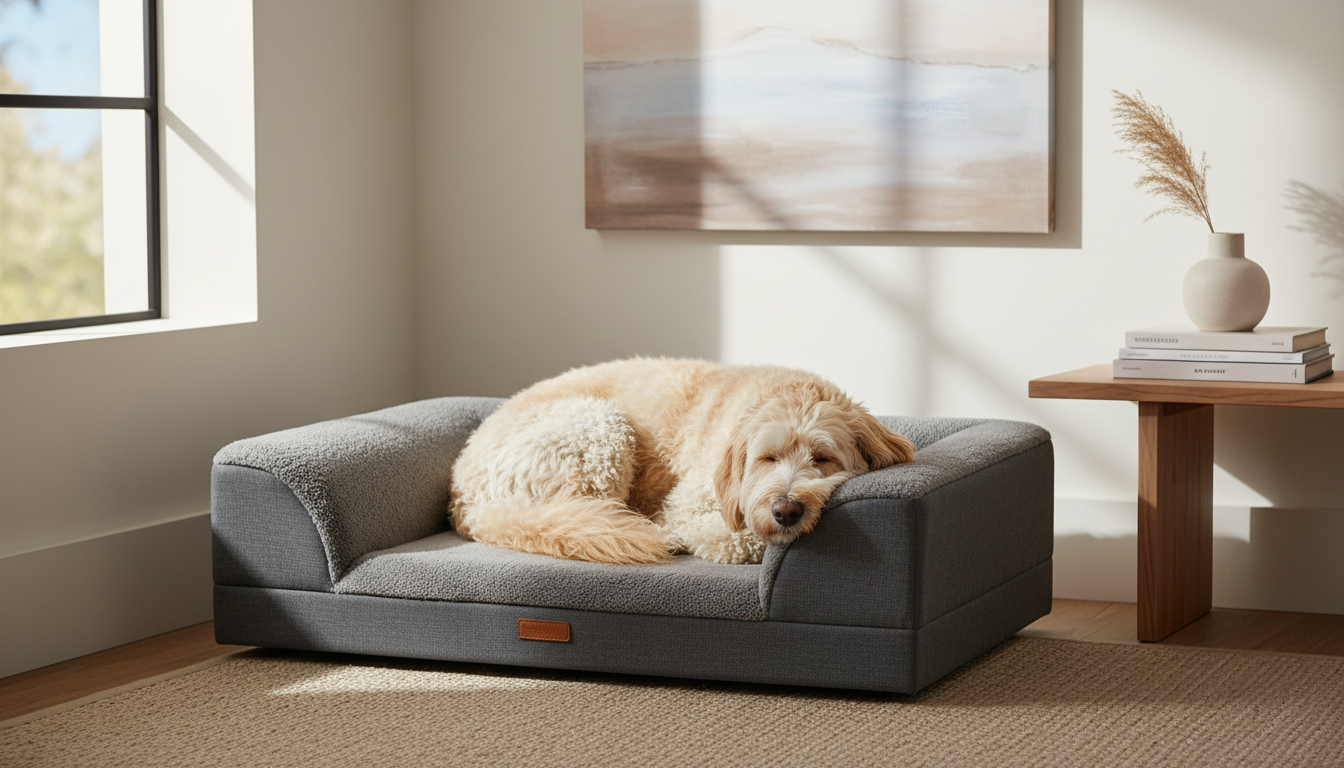
Understanding the Dog Bed Adjustment Period
Bringing home a new dog bed is a thoughtful gesture, but it’s normal for dogs to take time to settle in. On average, dogs will begin to adapt to their new bed within the first week, but full confidence—where the bed becomes their true “safe space”—often takes up to two or three months.Preventive Vet This process reflects their need for familiarity, scent association, and routine.
Dogs are sensitive to changes in their sleeping environment. Stress from a new setting or item can lead to short-term hesitation. Understanding adjustment phases helps minimize owner frustration and supports your dog’s well-being.
The 3-3-3 Rule: What to Expect When Introducing a New Dog Bed
Veterinary professionals and behaviorists often reference the “3-3-3 rule” in dog adjustment. This guideline, originally describing dogs settling into new homes, applies equally to major changes in their environment, including getting used to a new bed:
- First 3 days: Dogs may display caution, reluctance, or anxiety. Don’t force them onto the bed—let them explore at their own pace. Place the new bed near your dog’s favorite area or with their familiar blanket.
- Next 3 weeks: As they acclimate, dogs will experiment with the bed, rest there intermittently, and show relaxed body language. Routines and gentle encouragement become essential.
- Up to 3 months: With consistent environment and positive association, most dogs fully settle, use their bed confidently, and display lasting comfort behaviors.VCA Hospitals
Why Dogs Are Hesitant with New Beds
Scent, routine, and environmental security are critical for canine relaxation. The absence of their own scent or familiar surroundings can make a new bed seem foreign, prompting some dogs to avoid it or show mild stress. This is not stubbornness—just an instinct for safety.
Breed, personality, and prior experience all play roles. Confident, well-socialized dogs might settle quickly, while nervous or senior dogs require more reassurances, frequent positive reinforcement, and even comfort items like familiar toys.
Strategies to Help Your Dog Adjust to a New Bed
- Use familiar scents: Add your dog’s favorite blanket or toy to the new bed. Their scent signals safety.
- Choose the right spot: Place the bed away from drafts, foot traffic, and noise. Dogs settle quicker where they already feel secure.
- Create a calm routine: Offer physical activity, with walk and play sessions, before introducing quiet time in the new bed. Repeated consistent bedtime cues help build positive associations.
- Reward and encourage: Praise your pup when they approach or rest in the bed. Occasional treats reinforce good behavior.
- Let them explore: Give your dog autonomy—don’t force them onto the new bed. Gentle encouragement and patience deepen trust.
- Opt for ergonomic comfort: Quality beds, such as orthopedic options, are especially helpful for miniature breeds and older dogs, offering pressure relief that fosters faster adaptation.
Consider pheromone diffusers (e.g., Adaptil®) for dogs especially prone to stress; these create a calming effect.American Kennel Club
The Benefits of Premium Dog Beds for Transition
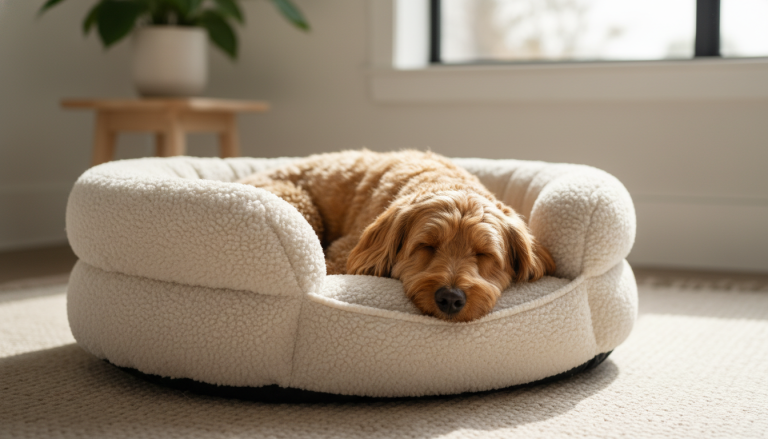
Comfort and support go hand-in-hand with a smooth adjustment. King Wuff’s beds, designed for miniature and small-to-medium dogs, feature eco-friendly orthopedic filling, seamless ergonomic contours, and machine-washable covers. These elements reduce joint strain and keep your pup cool and cozy, encouraging frequent use and emotional attachment to the sleeping spot.
- Orthopedic design: Relieves pressure points, improves posture, ideal for young and aging dogs.
- Sustainable, safe materials: Durable, non-toxic, and certified eco-friendly for lasting peace of mind.
- Modern styles: Blends naturally in contemporary spaces so you can confidently keep the bed in areas your dog loves most. Faster adjustment comes when dogs are included in family spaces.
Table: Dog Bed Transition Timeline & Tips
| Adjustment Phase |
Signs |
Helpful Tips |
| First 3 Days |
Tentative, anxious, avoids bed |
Keep nearby, add familiar scents, no forcing |
| First 3 Weeks |
More relaxed, occasional use of bed |
Reinforce with praise, keep routines |
| Up to 3 Months |
Regular, confident bed use |
Stay consistent, offer comfort items |
Additional Advice for a Smooth New Bed Transition
- Keep old bedding nearby: If possible, leave the old bed for a while until your pup shows preference for the new one.
- Avoid stressors: Introduce new beds during calm times, not during house moves, holidays, or routine changes.
- Monitor reactions: If your dog appears excessively anxious after several weeks, consult your vet about enrichment or calming solutions.
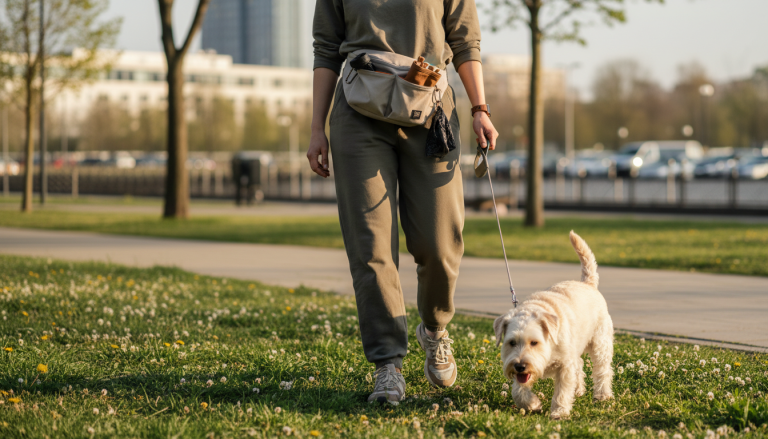
- Integrate travel solutions: Comfortable carrier bags and walking gear, like Seashell Dog Carrier Bag or Beige Rover Dog Walking Bag, reinforce safety and comfort in new spaces.
External Resources & Further Reading
Featured King Wuff Solutions
Conclusion: Comfort Through Patience and Consistency
Dogs crave familiarity and a sense of belonging when it comes to their sleeping spot. A seamless transition to a new bed relies on patience and creating positive associations. Ergonomic, supportive beds like those from King Wuff not only speed up acceptance but directly contribute to your dog’s lifelong health and happiness.
Ready to upgrade your best friend’s rest? Explore our King Wuff premium dog bed collection and give your pup the comfort they deserve.

Leave a comment