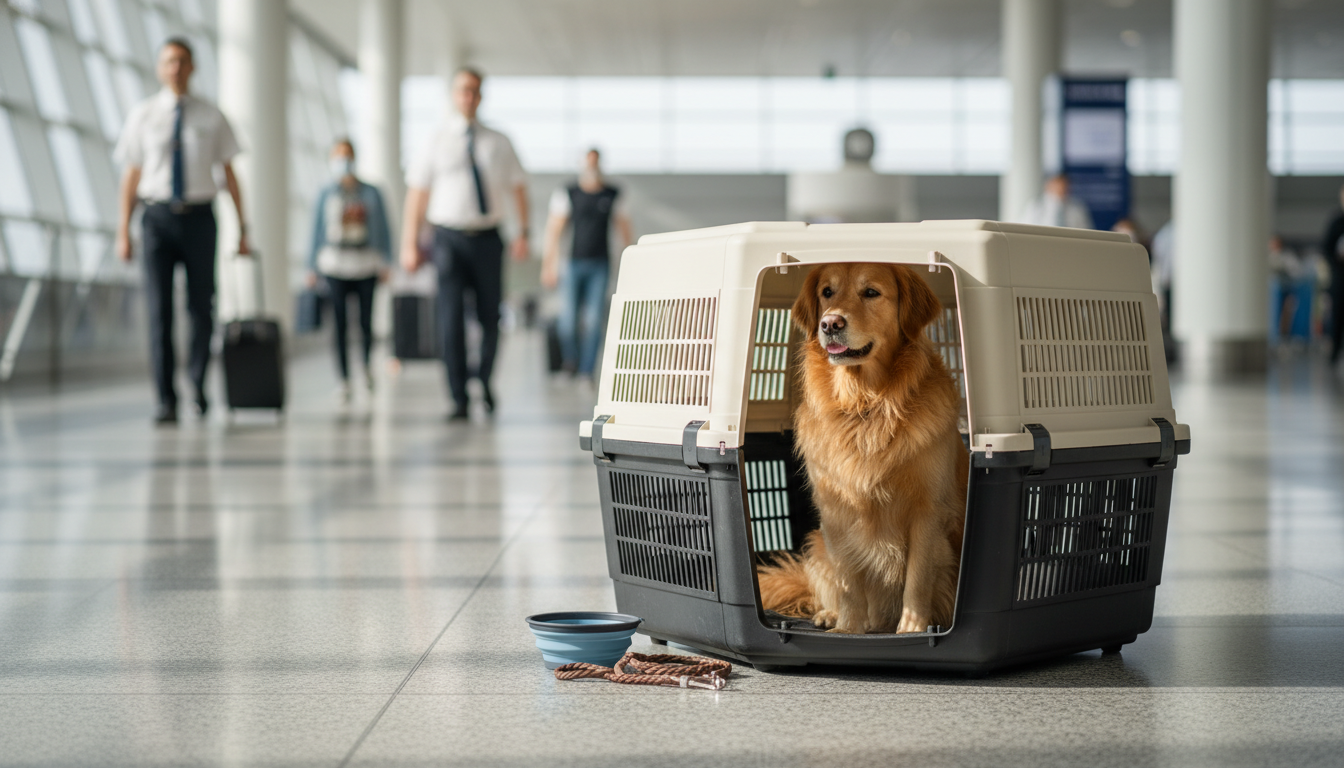
Flying with a dog too big for a standard travel carrier comes with a unique set of challenges. Most airlines restrict in-cabin pet travel to dogs that fit under the seat in an airline-approved carrier. Large breeds rarely qualify and must typically travel in a dedicated cargo hold or as checked baggage, if allowed. Importantly, recent travel trends are reshaping options for dog parents: semi-private airlines like JSX, Bark Air, and K9 Jets now allow larger dogs to accompany their people in-cabin, sometimes with an extra seat purchase.
Airline pet policies aren’t uniform, so always check the official guidelines of your selected carrier well in advance. Some may prohibit brachycephalic breeds due to respiratory risks, or restrict travel in extreme temperatures. Direct flights are preferable to minimize handling and reduce risks.
To compare policies and get the most current guidance, refer to Sniffspot’s 2024 dog airline policy roundup and the U.S. Department of Transportation (DOT) pet travel page.
For most non-service large dogs, cargo hold travel is the default. Airlines require an IATA-compliant, hard-sided crate that is well-ventilated and large enough for your dog to stand, turn, and lie down. Booking during moderate temperatures and choosing direct flights are crucial for your pet’s safety.
Some airlines (especially for domestic U.S. routes) may allow larger dogs as “checked baggage.” The requirements for crate size and documentation are nearly identical to cargo hold policies, but this is route- and carrier-specific.
The rise of pet-centric airlines like Bark Air, JSX, and K9 Jets allows qualifying large dogs to stay with you in the cabin. While costly, these services reduce dog travel anxiety and eliminate much of the stress of cargo arrangements.
If you’re planning an international move or want white-glove service, professional pet transport companies handle all requirements, offering ground and air travel tailored to your large dog’s needs.
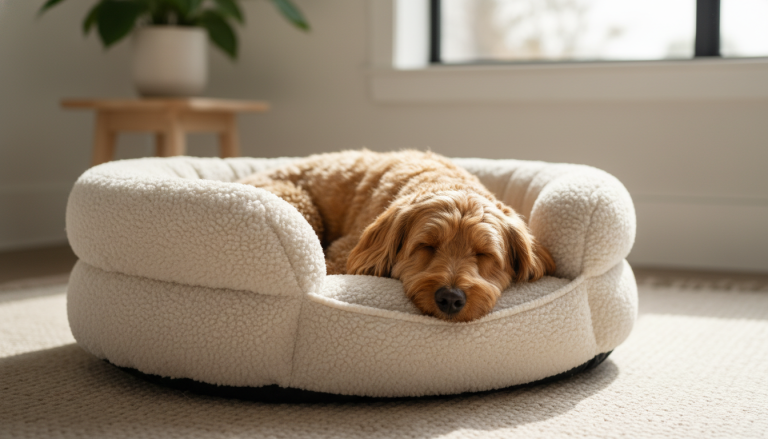
For some journeys, cars or specialized pet taxis are less stressful for big dogs and avoid strict airline rules. Products like the Puff Puppy Dog Car Seat Carrier ensure on-the-road safety for smaller dogs, while orthopedic beds like Mellow Mat keep pets comfortable during long hauls.
Help your dog view the crate as a positive, safe space. Feed inside the crate, put favorite toys or a familiar blanket inside, and gradually increase crate time days or weeks ahead.
On travel day, give your dog a long walk to reduce anxiety. Keep meals light, provide access to water (most crates must have spill-proof bowls attached), and avoid any sedation unless your veterinarian specifically prescribes it—sedation can endanger your dog at altitude.
Most airlines and all international flights require a recent health certificate (usually within 10 days), updated vaccination proof, and compliance with destination country requirements. Make copies of all paperwork to prevent problems at check-in.
Pick a crate certified by the International Air Transport Association (IATA) with secure latches, ample ventilation, and absorbent bedding. Attach a visible “Live Animal” label, and include your contact info on the crate and your dog’s collar.
Direct Flights: Book non-stop routes to cut down on handling and transit risks. Avoid peak heat or cold seasons, especially if flying major snub-nosed breeds.
Early Arrival: Arrive 2-3 hours before departure for cargo check-in and paperwork inspection. Bring ample time for extra screening and to reassure your pet before hand-off.
Communication: Inform airline staff that your pet is a valued family member and confirm loading procedures. Carry photos of your pet and crate for identification if there are questions or logistical issues.
Always consult recent airline policies, as they can change rapidly. The latest statistics show that more than 78% of U.S. pet parents now include pets in travel plans—fueling further airline improvements and options.
For dogs small enough for cabin travel, King Wuff offers ergonomic, safe, and stylish carrier bags that meet airline size and comfort standards. Explore:
Even if your dog isn’t cabin-eligible, comfort and stress reduction make a huge difference—before, during, and after your travels.
Flying with a large dog requires careful airline research, early crate training, and top-quality comfort solutions. Explore all travel options—from safe ground transport to luxury pet-friendly flights—based on your dog’s needs and your budget. For small and medium dogs, King Wuff’s ergonomic carriers and orthopedic beds ensure every journey is a positive experience.
Ready to make your next adventure comfortable and safe for your four-legged companion? Browse King Wuff’s airline-approved solutions and expert guides to start planning smarter, safer, and happier travels today.


Leave a comment