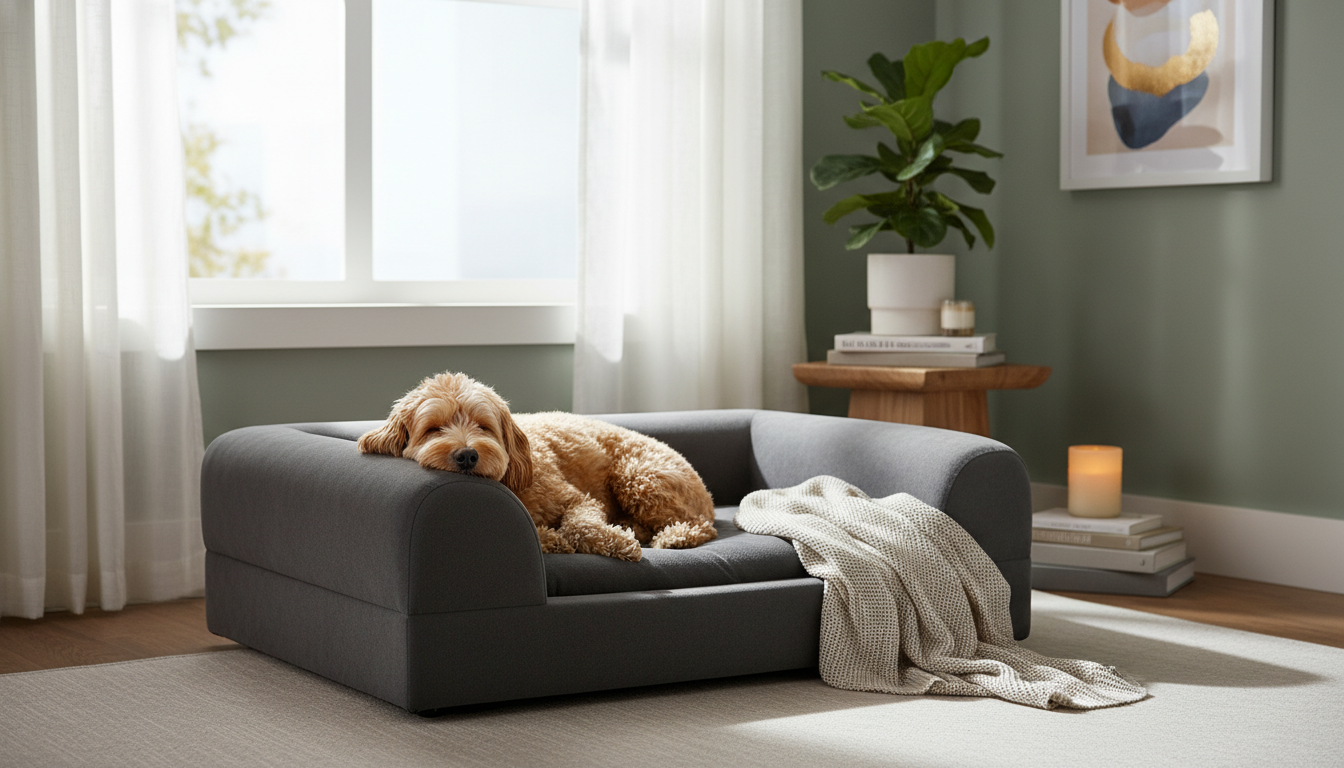
Creating a restful environment for your dog goes well beyond providing a soft pillow. Dogs, especially small and medium breeds, need supportive bedding, a safe location, and a predictable bedtime routine to enjoy restorative sleep. A thoughtfully curated sleep setup supports physical health and emotional security, leaving your dog energized and happy each day.
According to the Sleep Foundation, consistent, comfortable sleep is crucial for your dog’s cognitive function, immune health, and behavioral stability.
A quality bed is a cornerstone of dog comfort. Orthopedic and memory foam beds relieve pressure points, making them ideal for all ages—particularly for dogs prone to joint problems. Products like the Mellow Mat Orthopedic Dog Bed are engineered to provide ergonomic support for small to medium breeds.
Dogs are sensitive to noise, light, and temperature. Position beds away from loud hallways, direct drafts, and busy windows. A quiet, dark spot promotes deeper rest. For dogs who are easily disturbed, a covered style or “den” bed can reinforce safety and block distractions.
Additional insight on configuring your dog’s sleeping environment is available from the Casper Blog.
Structure helps dogs relax at bedtime. Exercise your dog in the late afternoon or early evening to help expend energy and promote relaxation. Implement rituals like gentle brushing or massage before bed. Avoid stimulating play or large meals right before sleep.
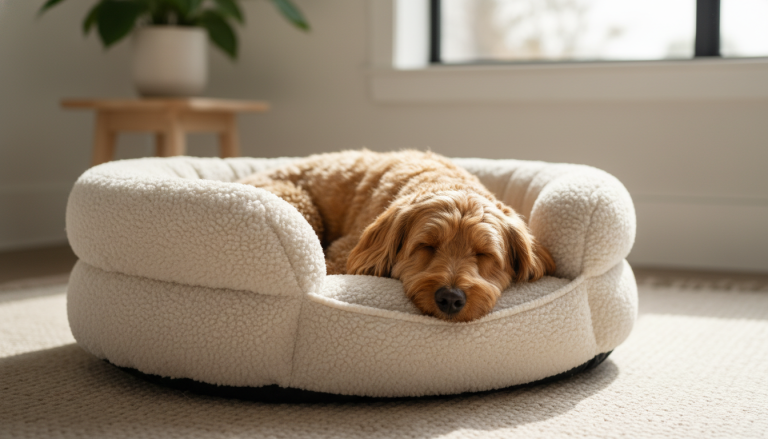
If your dog experiences separation anxiety or restlessness, provide extra reassurance by choosing a donut-shaped calming bed or allowing close proximity in your bedroom. Research confirms that dogs with a comforting, sheltered sleep site exhibit fewer signs of stress.
Always check for safety—secure beds against sliding and avoid sharp objects nearby.
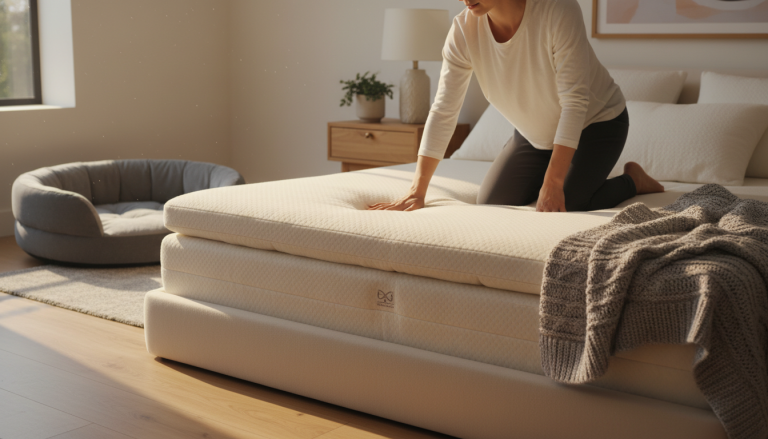
Regularly wash the dog bed (ideally, every two to four weeks) using pet-friendly detergent. Beds exposed to high traffic or outdoor dirt may require more frequent washing. Replace the bed every 1–3 years, or immediately if it becomes flat, torn, or unable to support your pet evenly.
Clean bedding not only supports comfort but helps control allergens in your home.
| Product Name | Key Features | Ideal For |
|---|---|---|
| Mellow Mat Orthopedic Bed | Ergonomic memory foam, eco-friendly, machine-washable cover | Joint support for small to medium dogs |
| Cloud Cushion Round Bed | Ultra-soft, bolstered edges, memory foam filling | Soothing comfort for anxious or chilled dogs |
| Seashell Dog Carrier Bag | Secure, padded, stylish for travel and outdoor rest | Pet travel for miniature and small breeds |
Prioritizing your dog’s sleep comfort is an investment in their health and happiness. By choosing ergonomic beds, curating a peaceful environment, and maintaining consistency, you ensure your dog enjoys restful nights—whether at home or on the go. Explore King Wuff’s premium collection for stylish, safe, and health-supportive solutions tailored to your dog’s unique needs.


Leave a comment