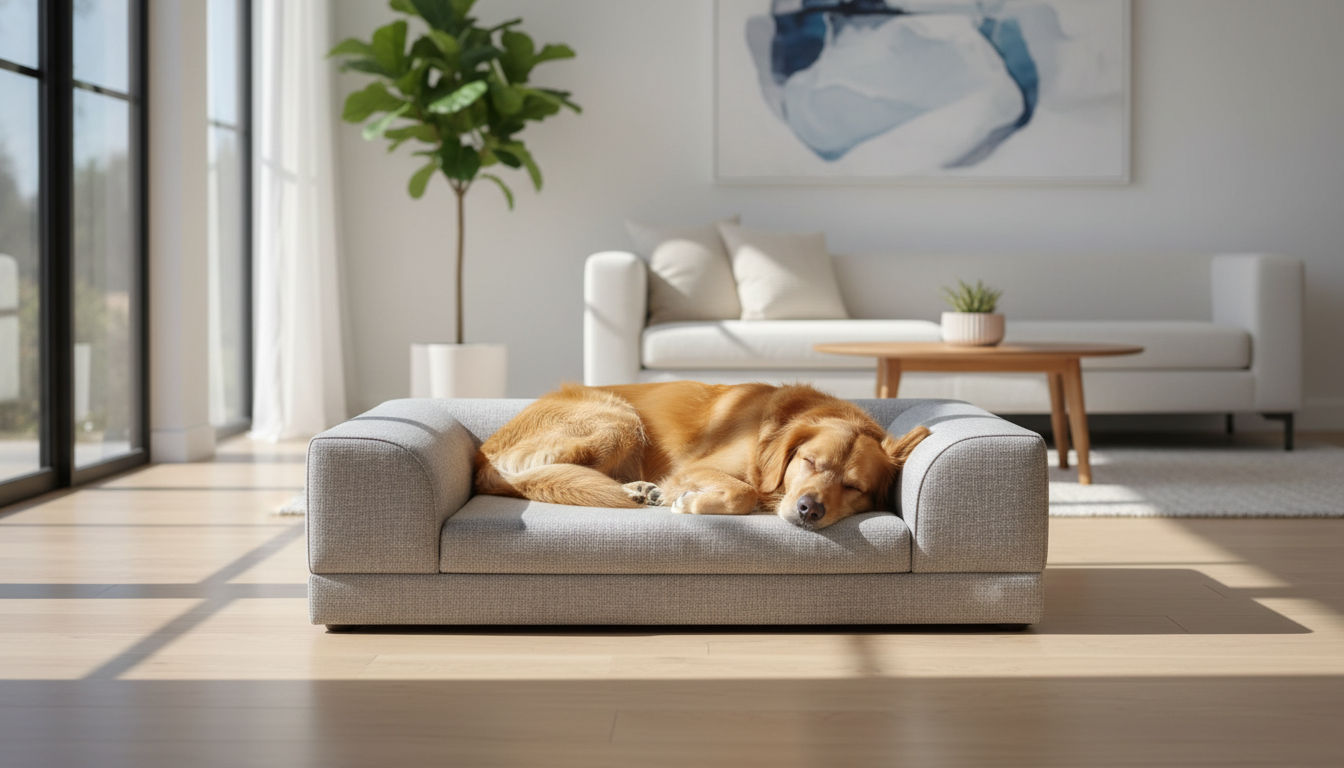
Every dog has unique needs when it comes to the perfect place to sleep. While some dogs burrow into plush surfaces, others stretch out on firm or even hard floors. A dog’s age, breed, health, and environment all play a key role in determining what kind of bed will keep them happiest and healthiest. This guide breaks down the science and real-world advice from veterinarians, helping you choose a bed that benefits your dog for years to come.
Dogs instinctively seek sleep surfaces that combine security, warmth, and adequate support (Rover.com). Plush soft beds can be inviting, especially for puppies and nesters, but very soft construction can leave larger or aging dogs with insufficient joint support, causing aches or poor rest (Schertz Animal Hospital).
Orthopedic dog beds, made from high-density or memory foam, cushion a dog’s body evenly and support joints—vital for senior pets, large breeds, or any pup with arthritis. Scientific and veterinary research consistently recommends orthopedic beds for dogs in need of extra support (Chewy).
| Bed Type | Best For | Pros | Cons |
|---|---|---|---|
| Soft (Plush/Polyfill/Loose Foam) | Puppies, nesting breeds, cold climates | Cozy, inviting, warm | Can lack support, flattens fast, not ideal for joint health |
| Firm/Orthopedic (Memory Foam) | Senior dogs, large breeds, joint issues | Superior support, relieves joint pressure, durable | Pricier, can be less “fluffy” to the touch |
Puppies and healthy adult dogs may prefer softer beds offering cozy nooks, while older dogs need firm, orthopedic foam that minimizes pain and supports arthritic joints. Dogs recovering from surgery or injury always benefit from orthopedic construction (Kuranda).
The bed should allow your dog to stretch out fully as well as curl up. Too small a surface can lead to discomfort, while beds oversized for tiny breeds can feel insecure. High-density foam retains shape and doesn’t “bottom out” with heavier dogs.
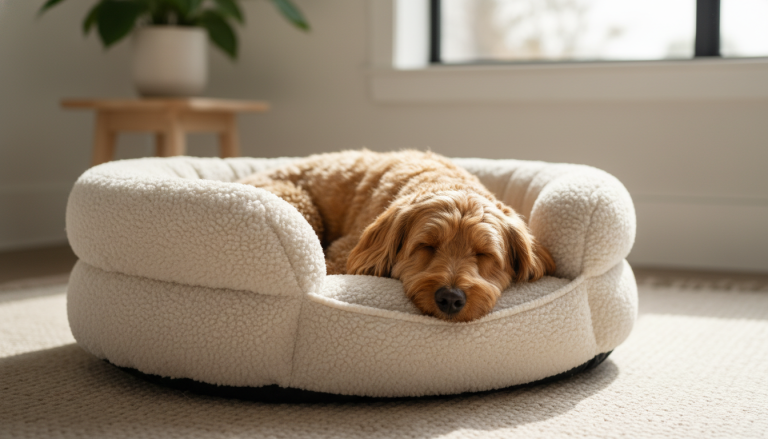
Does your pup sprawl on their side or curl into a ball? Sprawlers often like wide, flat beds; curlers do best with plush, raised sides for a secure feel. Watch where your dog naps naturally—if it’s the hard floor, they may favor a firmer base.
Hot environments: Beds made with cooling gel, mesh, or breathable foam help dissipate heat.
Colder areas: Choose insulated, plush, or fleece-covered beds to retain warmth, especially for short-haired breeds.
Orthopedic beds offer reinforced, contouring support, promote optimal joint alignment, and have been shown to improve comfort and quality of life for aging or ailing dogs. Even healthy adult dogs benefit from beds that maintain shape over years of use (Sir Archer’s).
At King Wuff, our orthopedic and ergonomic beds are expertly engineered for all breeds but especially crafted to give small, miniature, and senior dogs a premium rest experience.
The perfect dog bed balances softness and firm support, considering your pet’s age, health, size, and personal habits. For most dogs—especially older, larger, or arthritic ones—orthopedic beds offer tangible health benefits and improved long-term wellbeing.
Ready to upgrade your dog’s sleep? Explore our full orthopedic and eco-friendly bed collection at King Wuff and help your pup enjoy healthier, deeper rest.
For further insights, review advice from veterinary experts and healthy pet living resources at Schertz Animal Hospital.


Leave a comment