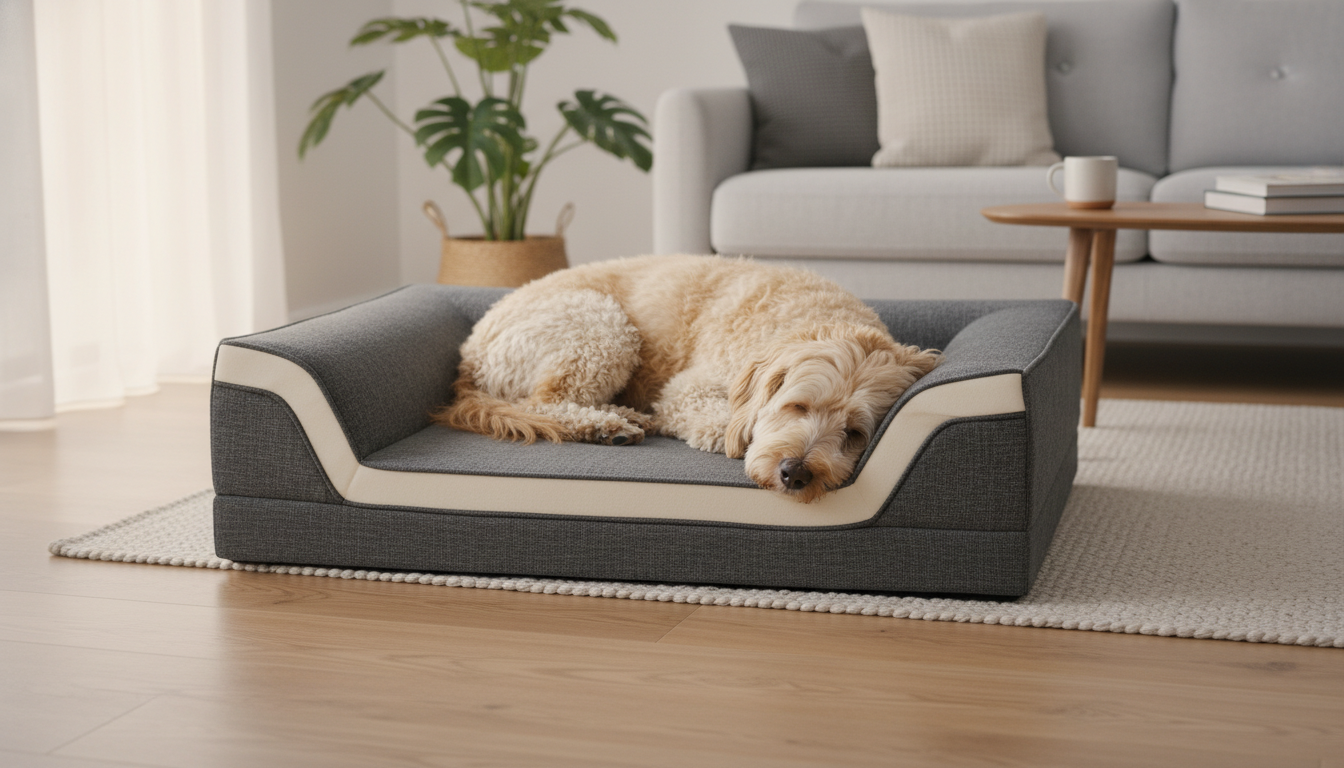
When it comes to rest and recovery, dogs are as individual as people. The debate over whether dogs prefer soft or firm beds is settled best by considering several crucial factors highlighted by veterinary experts and leading pet care authorities. Most importantly, your dog’s age, size, health status, and sleeping style all influence their ideal bed type.
According to research and consumer trials, most dogs benefit from a balance of softness and firm support—beds should be soft enough to ease pressure points and firm enough to keep joints aligned. This synergy is especially important for older dogs or breeds prone to orthopedic issues [Sleep Foundation].
Puppies and young, healthy dogs often love plush, cushioned beds that help them feel secure and cozy. In contrast, senior dogs—particularly those with arthritis or joint soreness—require firmer orthopedic support to minimize pain and inflammation [Big Barker Health].
Small and toy breeds tend to nestle and burrow, favoring extra soft surfaces. Oppositely, larger, heavier breeds need beds constructed from high-density foam or sturdy bolsters; too-soft beds can allow them to sink awkwardly, straining joints and encouraging poor posture.
Dogs with hip dysplasia, arthritis, or mobility limitations should sleep on orthopedic beds combining soft memory foam top layers with firm, supportive cores. This combination distributes their weight, reduces pressure, and ensures pain-free rest throughout the night [Whole Dog Journal].
Nesters and burrowers are likely to favor beds with plush fabrics and raised edges, while sprawlers and stretchers benefit from wider, flat beds that have firm bases. Consider climate as well: soft, insulated beds help retain warmth in cold weather; firmer, breathable beds improve airflow for hot weather comfort.
| Feature | Soft Bed | Firm Bed |
|---|---|---|
| Best For | Small breeds, puppies, burrowing dogs | Large breeds, seniors, joint/mobility issues |
| Benefits | Cushioning, warmth, security | Spinal alignment, orthopedic support, airflow |
| Drawbacks | May lack support for large/heavy dogs | Can feel less cozy for nesters/small dogs |
| Ideal Product Example | Faux fur donut beds, soft bolsters | Orthopedic memory foam beds |
Veterinarians and pet product experts overwhelmingly recommend orthopedic beds, especially those utilizing memory foam, for their unique ability to distribute weight, relieve pressure, and offer long-term comfort. These beds prevent the development of calluses and pressure sores, a common issue in older or less-mobile dogs [AOC Pet]. Orthopedic designs are especially beneficial for breeds with known joint vulnerabilities like Dachshunds, Labradors, and German Shepherds.
King Wuff’s Mellow Mat is crafted for miniature to small-medium breeds needing memory foam comfort and orthopedic support. With extra-thick, high-density memory foam and a supportive base, it’s ideal for pets with sensitive joints or for owners wanting the highest standards in their dog’s sleep quality.
Eco-conscious? All King Wuff beds use sustainable materials, and covers are fully washable for stress-free maintenance.
Curious about the science of pet rest? Explore pet sleep research and product recommendations for further insights.
There is no universal answer—each dog has its own unique needs. However, the ideal dog bed blends soft comfort with firm support, tailored to age, health, and size. King Wuff’s orthopedic beds are thoughtfully engineered to provide the best of both worlds. Give your dog the restful, healthy sleep they deserve—discover our collection today and elevate your pet’s comfort at home and on the go.


Leave a comment