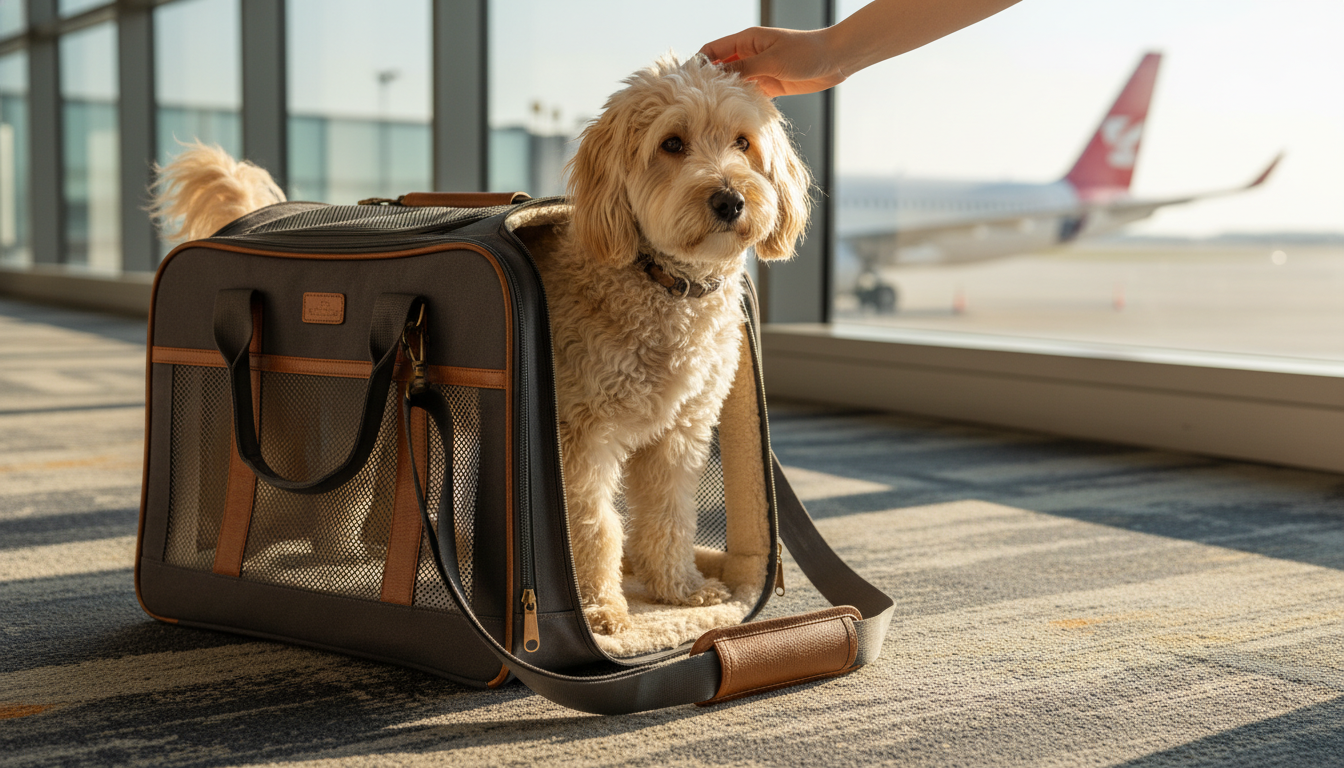
Do Airlines Check If a Dog Can Stand in a Carrier?
Air travel with your dog comes with specific airline rules, especially about the carrier’s size and your dog’s comfort. Airlines do check if your dog can stand in its carrier—and for good reason. These checks typically happen at the airport check-in desk or the boarding gate. Making sure your dog can stand, turn, and lie down without touching the sides or roof is both an animal welfare requirement and a safety measure set by most U.S. carriers, including American Airlines, Delta, and United Airlines.
Why Do Airlines Require Dogs to Stand Naturally in Carriers?
These policies are not arbitrary—they’re rooted in pet wellbeing and regulatory standards:
- Animal welfare: Space to stand and move reduces stress, prevents injuries, and allows for healthy posture during a sometimes lengthy journey.
- Safety during turbulence: An overly snug or restrictive carrier increases the risk of accidental injury if the plane encounters rough air.
- Compliance with international and domestic law: Aviation regulations require that animals are transported safely. This is mandatory for carriers flying into or within the U.S. (see animal kennel guidelines).
At King Wuff, ergonomic sizing isn’t just a feature—it’s part of our commitment to your pet’s comfort and health. Our travel bags are designed to comply with these critical rules, so you can travel with peace of mind.
What Are Typical Airline Requirements for Dog Carriers?
While requirements may vary slightly by airline and aircraft, certain standards are near-universal:
- Carrier dimensions: Common soft-sided carrier maximums are 18 x 11 x 11 inches, designed to fit under an airplane seat. Always check with your airline before booking, as some have unique dimensions.
- Ventilation: Carriers must provide ventilation on at least two or three sides for airflow.
- Weight limits: Most airlines set the combined weight (pet + carrier) at 15–25 pounds for in-cabin travel.
- Movement allowance: Dogs should stand, turn, and lie down naturally without touching the carrier’s top or sides. This is actively checked at airports.
- Preferred type: Soft-sided carriers are generally recommended for better fit, flexibility, and comfort.
- Special cases: Snub-nosed and other sensitive breeds may require larger carriers or special accommodations.
King Wuff’s carriers are soft-sided, breathable, and built specifically for these airline requirements—ideal for small and medium-sized dogs in the cabin.
How Do Airlines Check Your Dog’s Carrier at the Airport?
On the day of your flight, airline staff will visually assess your dog in their carrier at the check-in desk or boarding gate. Here’s what you can expect:
- Your dog may be asked to stand up and turn around inside the carrier, confirming they have adequate space.
- If the carrier is too small or your dog cannot move freely, you may be denied boarding or asked to adjust your setup.
- This check is about protecting your pet’s health and ensuring compliance with aviation safety rules.
Pro tip: Always practice at home beforehand. Ensure your dog can perform these movements without struggle—if not, size up! King Wuff carriers’ ergonomic dimensions make passing these checks simple and stress-free.
Choosing the Right Carrier: Step-by-Step Guide
- Measure your dog accurately: Measure standing height (floor to top of head) and length (nose to base of tail). Add 2-3 inches for comfort.
- Match measurements to carrier specs: Pick a carrier where your dog fits with room to stand and turn. King Wuff’s sizing charts take the guesswork out.
- Check airline restrictions: Review up-to-date requirements on your airline’s pet travel page before buying tickets.
- Carrier features: Choose soft-sided, breathable, and leakproof carriers like the King Wuff Seashell Bag for maximum comfort.
- Acclimate your dog: Use treats and positive reinforcement to get your dog comfortable with the carrier long before travel day. Add familiar-smelling bedding to reduce anxiety.
- Prepare travel paperwork: Bring veterinary records, health certificates, and vaccination proof, as required.
King Wuff: Benefits Beyond Airline Compliance
| Feature |
How It Helps You & Your Dog |
| Ergonomic, airline-approved sizing |
Effortless check-in and maximum pet comfort |
| High-breathability mesh panels |
Reduces overheating and anxiety in transit |
| Premium eco-friendly fabrics |
Long-lasting, water-resistant, safe for the environment |
| Comfy, orthopedic cushioning |
Keeps small and medium dogs supported on long flights |
| Stylish design |
Travel with confidence—function meets fashion |
Browse top-rated King Wuff products like the Dog Carrier Bag Black “Seashell” and Mellow Mat orthopedic bed to complete your travel setup.
Common Mistakes: How to Avoid Travel Setbacks with Your Dog
- Underestimating carrier size: Err on the side of extra space (without exceeding airline limits) to prevent denied boarding.
- Poor acclimation: Last-minute carrier introduction increases travel stress—start training weeks before your trip.
- Missing documentation: Always double-check health and vaccine records, especially for international flights.
- Ignoring breed-specific needs: Short-nosed (brachycephalic) breeds require more airflow—select extra-ventilated models.
External Resources for Airline Pet Travel
FAQ: Airline Dog Carrier Rules & Tips
Final Thoughts: Fly Confidently with King Wuff
Ensuring your dog can stand and move in its airline carrier is essential for a safe and positive travel experience. By choosing an ergonomic, airline-approved carrier like those from King Wuff, you meet airline rules while putting your dog’s wellbeing first. Ready to elevate your dog’s comfort and style? Shop our best-selling carriers and accessories—and travel stress-free, every time.

Leave a comment