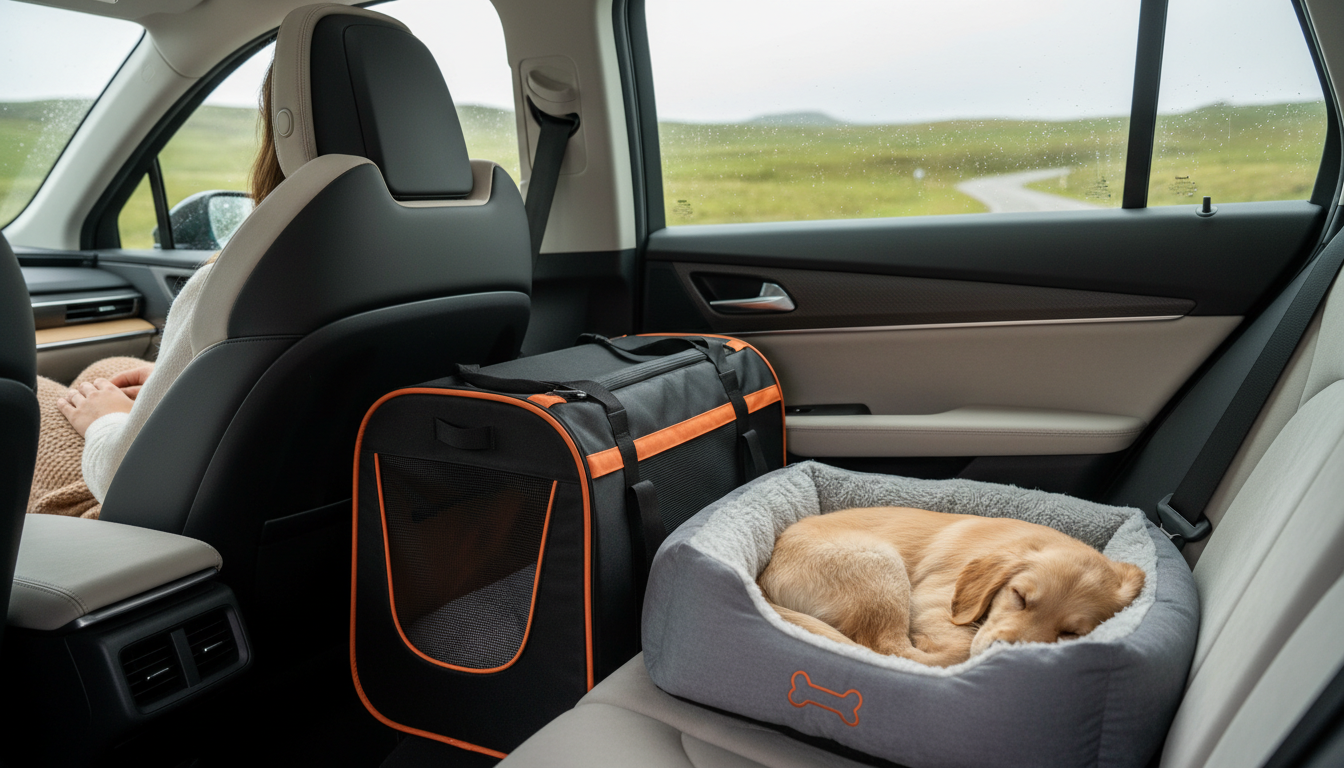
Sharing a bed with a dog can feel sweet and comforting, but it isn’t always the best choice for your sleep, your dog’s routine, or your home’s cleanliness. For many households, giving your pup a dedicated sleeping spot nearby offers the same cozy togetherness—without the downsides.
Below are practical points for what can go wrong when a dog sleeps in your bed?.
Dogs shift positions, scratch, dream, and react to nighttime sounds. Even if you don’t fully wake up, those small disruptions can reduce sleep quality and leave you feeling groggy. Your dog can also get less restful sleep when they’re constantly adjusting to your movement.
If anyone in the home has allergies, sharing bedding can worsen symptoms. Fur, dander, saliva, and outdoor pollen trapped in a coat can collect in sheets and pillows, making the bed a hotspot for irritation.
Even well-groomed dogs can track in dirt and bacteria from paws and coats. Fleas and ticks are also a risk—especially during warmer months or after hikes—so keeping your dog in their own bed can help reduce what ends up where you sleep.
For some dogs, sleeping in the bed can lead to guarding behavior, difficulty settling alone, or anxiety when routines change (like travel or guests). Clear, consistent sleep boundaries often support calmer behavior and easier transitions.
If your dog loves being close, place a comfortable bed beside your bed so they can settle in their own space while still feeling connected. A supportive, easy-to-clean bed can also help keep fur and dirt contained—especially helpful for dogs that like to nest, stretch, or sprawl.
For tips on creating a comfortable nighttime setup and choosing a bed that stays cozy and clean, visit this guide to the Midnight Nest dog bed.
Most dogs do best with a bed that matches their size and sleep style, offers easy-to-clean materials, and provides enough support for their joints—especially as they get older.