Reddit threads on co-sleeping with dogs usually land in the same middle ground: it can be sweet and comforting, but it isn’t always the healthiest choice for every person or every pup. The biggest concerns tend to be sleep quality, hygiene, allergies, behavior, and safety—especially with puppies, seniors, or dogs that have medical issues.
Below are practical points for this section.
Dogs shift, stretch, scratch, dream-kick, and hop on and off the bed. Light sleepers may wake up more often, and some dogs rest better when they have their own consistent sleep space rather than reacting to every human movement.
Even clean dogs carry dander and shed hair. If someone in the household has allergies or asthma, nightly exposure in close quarters can worsen symptoms—especially when bedding traps fur, saliva proteins, and dust.
Outdoor walks can track in pollen, dirt, and whatever else is on sidewalks and grass. Fleas, ticks, and intestinal parasites aren’t guaranteed, but bed-sharing raises the “where does all this end up?” factor if preventatives or grooming routines slip.
Some dogs become possessive of the bed or react defensively when moved. If a dog is anxious, reactive, or still learning boundaries, co-sleeping can accidentally reinforce clinginess or make training harder.
Large dogs can crowd a mattress; small dogs can be accidentally rolled onto. If anyone is a restless sleeper, takes sedating meds, or has limited mobility, a separate dog bed nearby can be the safer option.
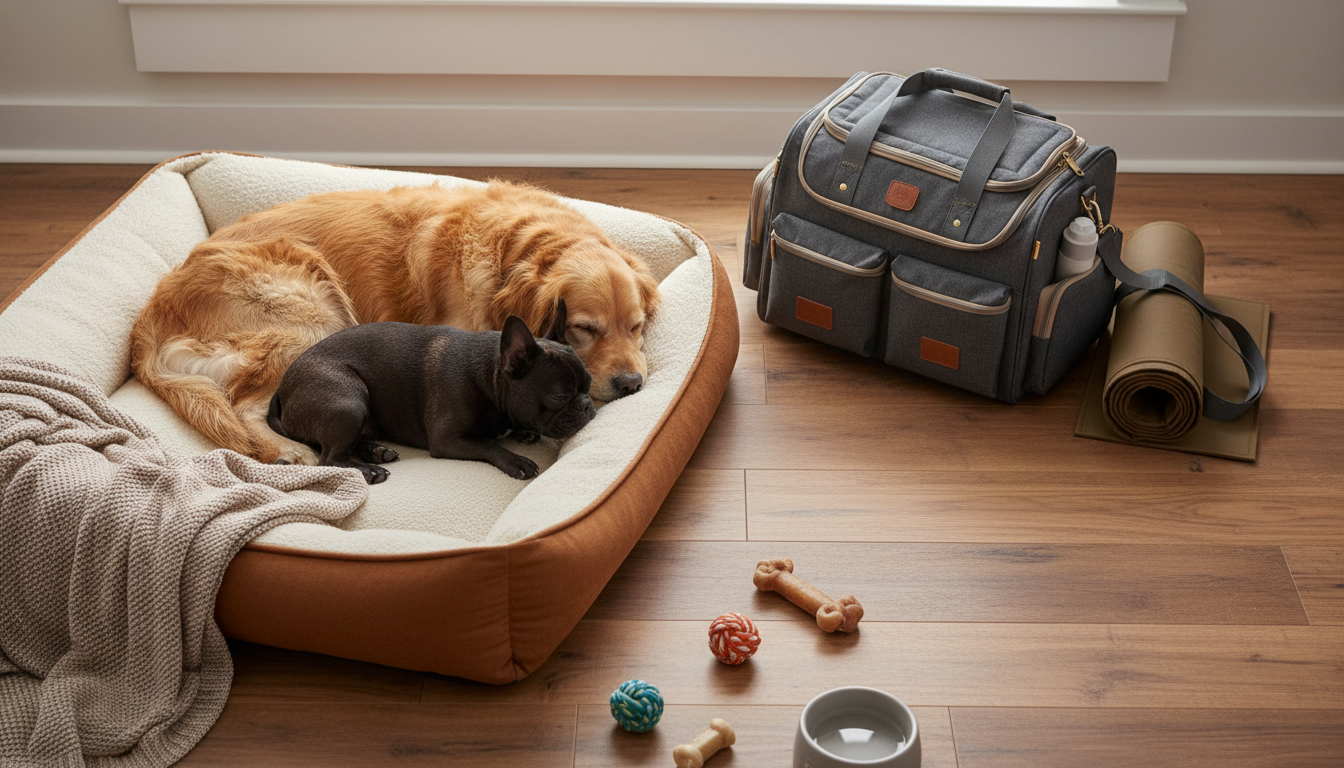
Many households find the best of both worlds by keeping the dog close—just not under the covers. A dedicated, easy-to-clean dog bed helps maintain boundaries while still offering that warm, comforting “pack” feeling. For tips on creating a snug, tidy sleep setup, visit this guide to a cozy, clean dog bed setup.
Most dogs do best with a bed that matches their size and sleep style, offers easy-to-clean materials, and provides enough support for their joints—especially as they get older.