Sharing a bed with a dog can feel extra cozy, but it can also create a few real drawbacks—for both human comfort and a dog’s long-term routine. “Bad” depends on your household, your dog’s health and behavior, and how well everyone sleeps. Here are the most common reasons it can be a problem.
Even calm dogs shift positions, stretch, lick, or jump down for water—often multiple times a night. Light sleepers may wake more frequently, and cramped space can lead to sore backs or restless sleep. Over time, that adds up to lower energy and mood for the whole home.
Dogs bring dander, pollen, and dust into the sheets. If anyone in the home has allergies or asthma, sleeping close to a dog can make symptoms worse. There’s also the occasional muddy paw, shedding season, or “oops” moment that turns bedding into a bigger cleaning project.
Some dogs become overly reliant on bedtime closeness and struggle when routines change—like travel, guests, or a partner’s schedule. If a dog can only settle when pressed against a person, it can make independence training harder and lead to nighttime whining or pacing when the bed isn’t available.
For certain dogs, the bed becomes a high-value spot. That can trigger guarding behaviors such as growling when moved, stiff body language, or refusing to get down. Clear boundaries are safer than nightly negotiations, especially in homes with kids.
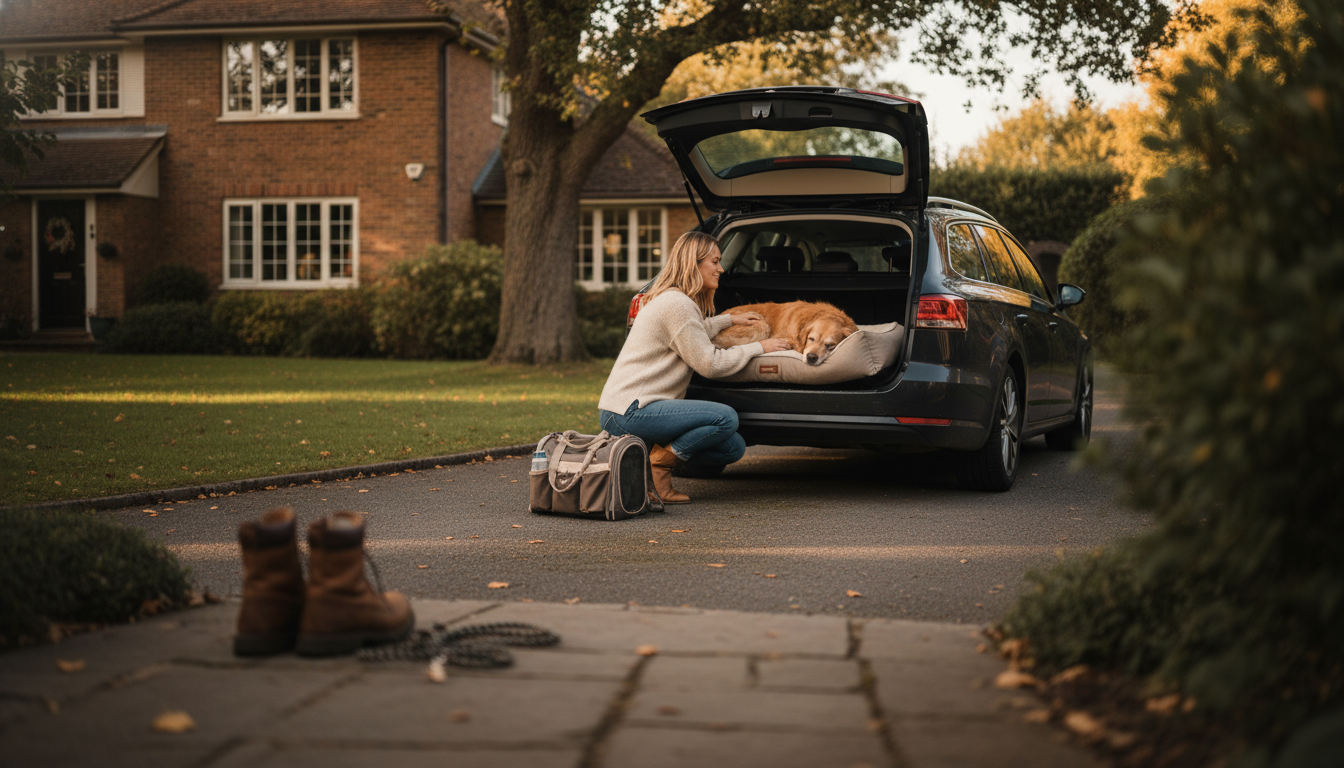
Many dogs do best with their own sleep “nest” close to you—soft, supportive, and easy to clean—so everyone rests well and routines stay consistent. For tips on setting up a comfy, tidy sleep space, visit this guide to a cozy and clean dog bed setup.
Most dogs do best with a bed that matches their size and sleep style, offers easy-to-clean materials, and provides enough support for their joints—especially as they get older.