Sharing a bed with your dog can feel comforting, but it isn’t always the best choice for your sleep, health, or your pup’s routines. The “bad” part usually comes down to disrupted rest, allergens, and hygiene issues—especially if you’re a light sleeper or sensitive to pet dander.
Below are practical points for when sleeping with your dog can backfire.
Dogs shift positions, scratch, dream, and hop on and off the bed. Even if you don’t fully wake up, those small interruptions can reduce sleep quality and leave you feeling less refreshed in the morning.
Pet dander, saliva, and outdoor pollen trapped in fur can build up in bedding. For allergy-prone sleepers, that can mean congestion, itchy eyes, coughing, or more frequent nighttime wake-ups.
Paws and coats pick up dirt, bacteria, and occasional parasites like fleas or ticks. Letting a dog sleep under the covers or near your face can increase exposure—especially if baths and paw wipes aren’t frequent.
For some dogs, bed-sharing can lead to guarding spots on the bed, anxiety when separated, or pushy nighttime habits. This isn’t every dog, but it’s common enough that trainers often recommend a consistent, comfy sleep space nearby.
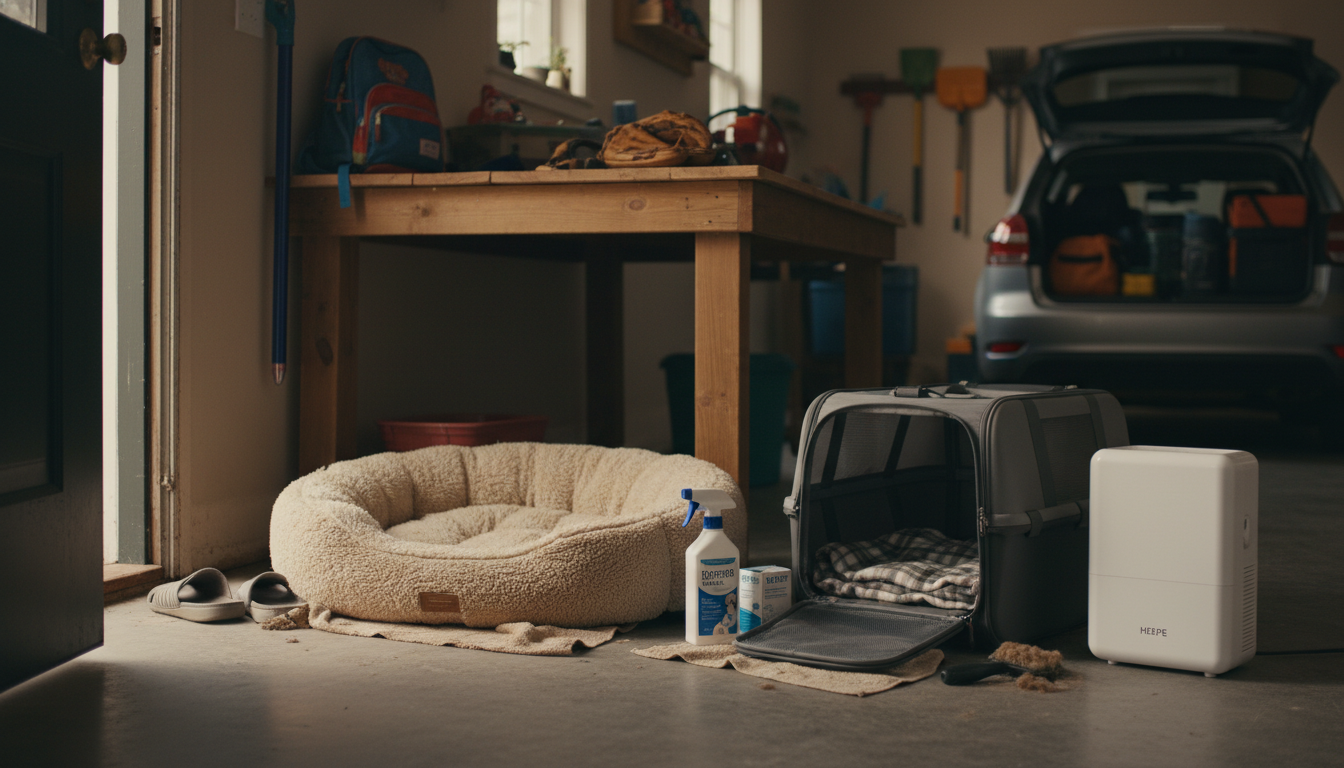
If you love having your dog close, consider setting up a dedicated dog bed right beside your bed. Your pup still gets the comfort and security of being near you, while you keep your sleep space cleaner and more predictable.
For ideas on creating a clean, inviting sleep setup, visit this guide to a cozy, clean, sleek dog bed setup.
It can disturb your sleep, increase exposure to allergens, and make it harder to keep bedding clean. Some dogs may also develop boundary or guarding issues around the bed.
Not always, but it can be a problem if you’re allergy-prone, a light sleeper, or your dog tracks in dirt or parasites. A nearby dog bed often keeps the closeness without the downsides.
Common side effects include reduced sleep quality, more allergy symptoms, and extra cleaning. In some cases, it can also reinforce clinginess or bed-guarding behaviors.