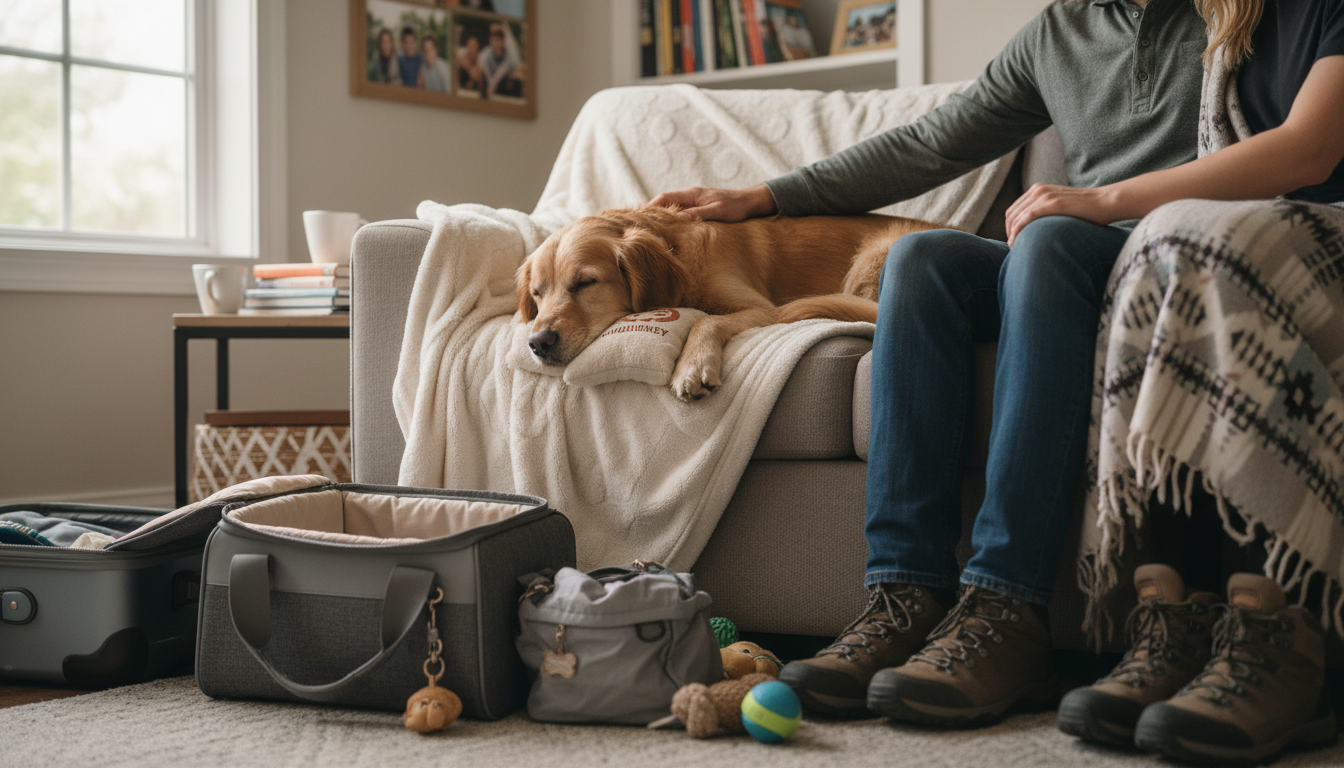
Most dogs pick a “favorite sleeping spot” for simple, sweet reasons: comfort, routine, and the way one person makes them feel. If your dog consistently chooses to snooze on you instead of your husband, it usually reflects bonding patterns—not a judgment or a snub.
You’re the coziest option. Dogs love warmth and a steady heartbeat. If you run warmer, sit still longer, or curl up in a way that feels like a safe nest, your dog may naturally gravitate to you.
You’re the “safe base.” Many dogs settle where they feel most secure. If you’ve done more comforting during storms, vet visits, or training, your presence can signal relaxation and protection.
Routine and access. If you’re the one who invites your dog up, goes to bed first, or tends to stay in one position, your dog learns that sleeping on you is reliable and rewarding.
Different body language. Some people move more, sleep lighter, or unintentionally push a dog away. Even small things—like frequent turning, louder snoring, or restless legs—can make your husband feel less “settle-friendly” to a dog.
Primary caregiver effect. The person who feeds, walks, trains, and plays often becomes the default cuddle choice. It’s not always about love more; it’s often about association and habit.
Have your husband offer calm, low-pressure bonding: a short evening walk, a gentle brushing session, or a few treats in a quiet spot. Encourage your dog to settle near him with a blanket that smells familiar and a consistent bedtime routine.
If you’d rather everyone sleep more comfortably, give your dog an appealing “middle ground” close to the bed. A supportive, cozy dog bed can feel like a personal nest while still keeping them near their people. For tips on creating a clean, comfy sleep setup, visit this guide to a cozy midnight nest dog bed.
It usually means your dog feels safe and connected to you. It can also be a comfort-seeking behavior, like using you as a warm, steady pillow.
Your dog may find you warmer, calmer, or more familiar at night. It can also reflect routine—dogs often choose the person who most consistently meets their daily needs.
Some dogs get possessive about attention and may try to interrupt to regain closeness. It’s often excitement or insecurity, and it can improve with calm training and consistent boundaries.