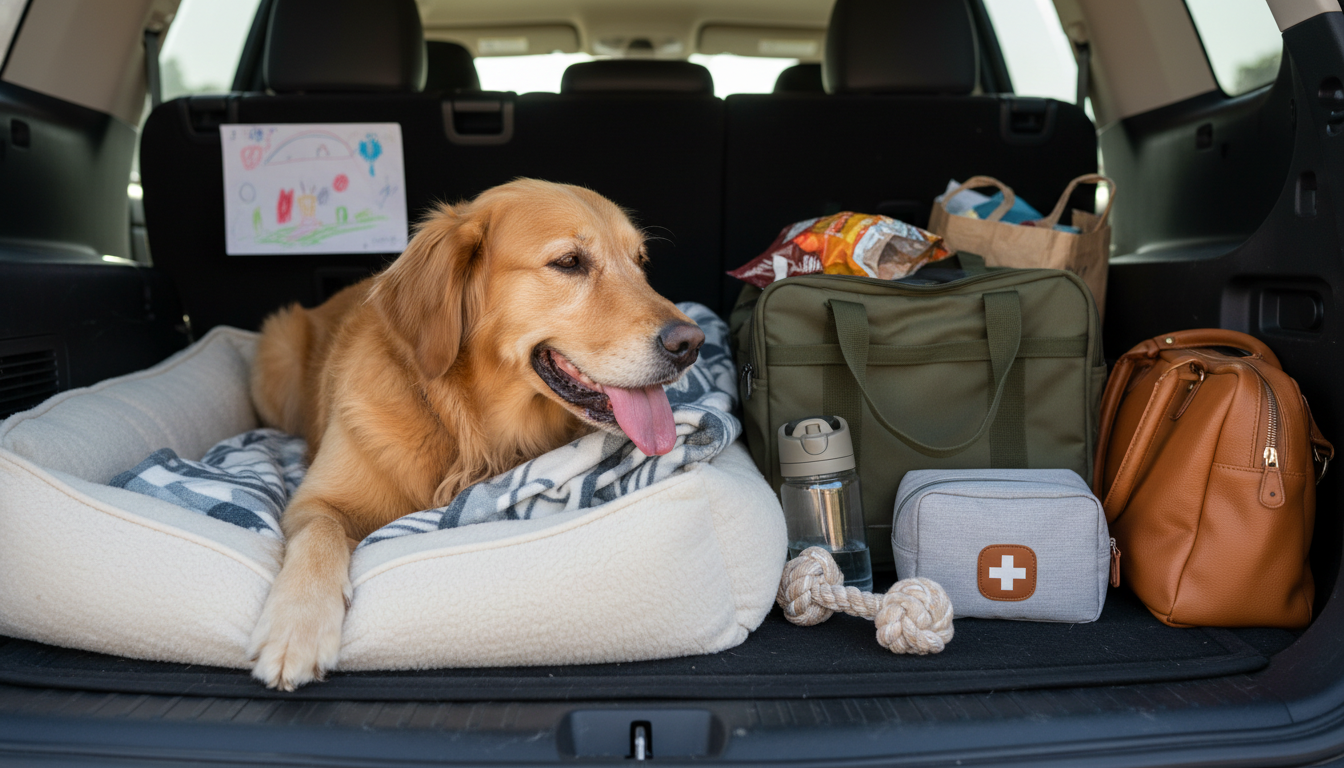
Dog panting during car rides is common, and it doesn’t always mean your pup is overheated. Panting can be your dog’s way of regulating body temperature, but it can also show excitement, mild stress, motion-related nausea, or anxiety about the ride itself. Some dogs also pant more in the car because they’re standing, balancing, and working their muscles to stay steady as the vehicle moves.
Below are practical points for common reasons dogs pant in the car.
If panting comes with trembling, tucked tail, drooling, whining, pacing, or trying to climb into your lap, anxiety is a likely cause. Previous negative experiences (like a vet visit after a car ride) can make the car feel like a warning sign.
Some dogs pant because the car means fun: a park, a hike, or a favorite person. Excitement panting often looks more relaxed—soft eyes, loose body, and happy engagement with you.
Cars warm up fast, even on mild days. A dog may pant more if sunlight hits their spot, the vents don’t reach the back seat well, or they’re in a thick coat. Aim for a cool cabin and steady airflow.
Panting paired with drooling, lip-licking, swallowing, yawning, or vomiting can point to motion sickness. This is especially common in puppies and some smaller dogs.
Start with comfort and stability: a secure, supportive place to ride can reduce sliding and help your dog relax. Many pups do best in a well-fitted dog car seat or carrier that keeps them contained and cozy while still letting them see you. Keep the cabin cool, take gentle turns, and build positive associations with short, low-pressure rides and small rewards.
For a comfort-first setup and travel tips, see the full guide here: Puff Puppy Dog Car Seat Carrier Bag Guide.
Below are practical points for when to call your vet.
Some do, especially with gradual practice and positive trips, but many need consistent training and a calmer ride setup. If anxiety is severe or worsening, a vet or trainer can help.
Panting can be triggered by excitement, stress, or motion sickness even in a cool car. Look for clues like drooling, whining, trembling, or restlessness to narrow down the cause.
Occasional panting can happen after activity or in a warm room, but persistent nighttime panting may signal pain, anxiety, or a medical issue. Contact your vet if it’s new, frequent, or paired with other symptoms.