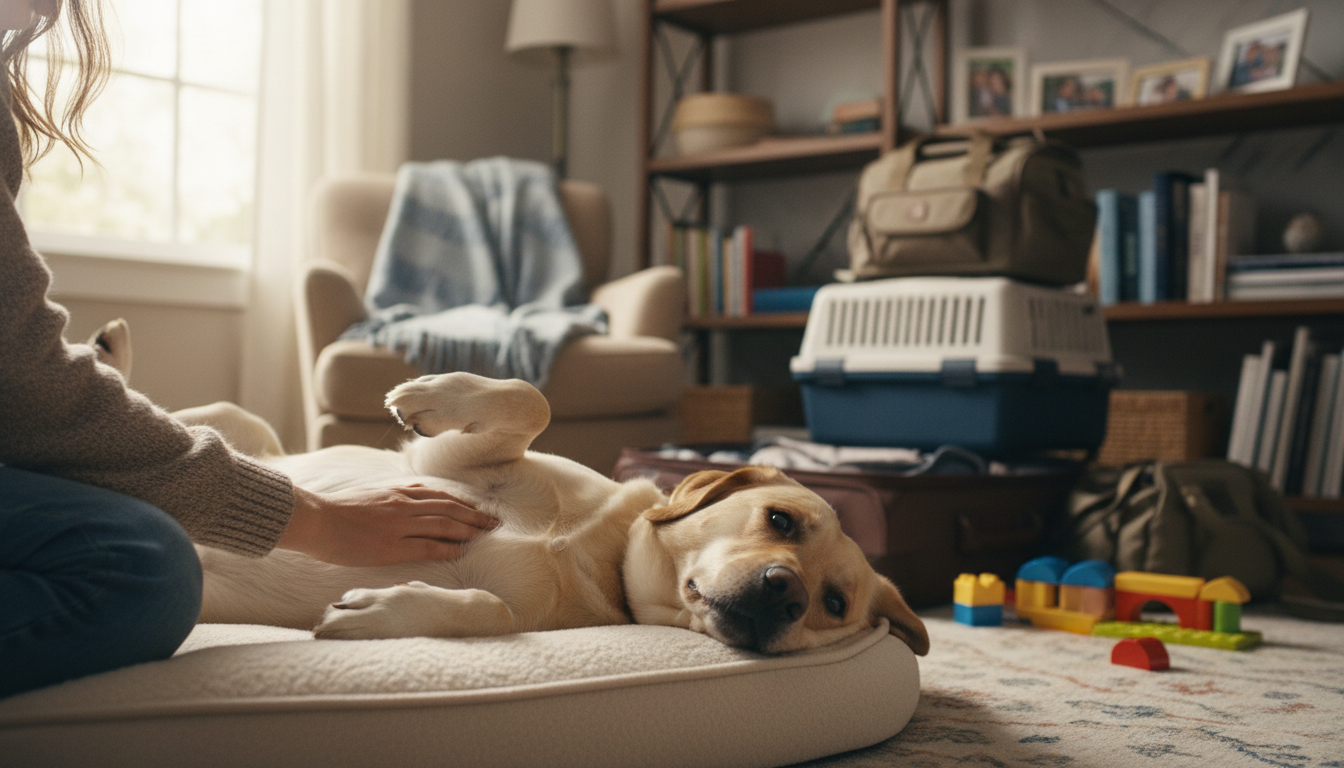
For many female dogs, belly rubs feel like the ultimate “safe and cozy” moment. When a dog rolls over and shows her belly, she’s often signaling trust and inviting gentle contact in a spot that can be both sensitive and soothing. The belly has thinner fur and lots of nerve endings, so light, steady strokes can feel extra comforting—especially when paired with a calm voice and a relaxed environment.
There’s also a social side to it. Dogs bond through touch, and belly rubs can act like a reassurance ritual: “You’re safe, you’re loved, you’re part of the pack.” Some dogs learn quickly that the belly-up pose earns attention, and that attention can be rewarding all by itself.
Belly rub requests can mean different things depending on body language. A loose, wiggly body, soft eyes, and a gently wagging tail usually point to enjoyment. If her body stiffens, her tail tucks, she turns her head away, or her mouth looks tense, she may be tolerating the touch rather than loving it. In that case, switch to chest scratches or shoulder rubs—many dogs prefer those areas.
Keep pressure light and movements slow, especially around the lower belly where some dogs can be ticklish. Avoid rubbing right after meals or vigorous play if she seems uncomfortable. If she’s just traveled, belly rubs can be a nice way to help her decompress—pair them with a familiar blanket or supportive bed so she can fully relax.
For more comfort-first travel tips (from carriers to walk bags and calming routines), visit our guide here: https://kingwuff.com/blog/guide-pet-travel-comfort-gear-dog-carriers-walk-bags-tips/.
Many dogs seek belly rubs after eating, playing, or potty breaks because they’re winding down and want reassurance. It can also be a learned routine that earns attention and closeness.
Mornings often come with excitement, relief after sleeping, and a desire to reconnect. Belly rubs can be your dog’s way of asking for affection before the day starts.
Many cats have a strong protective reflex around the belly and can feel overstimulated quickly. Dogs are often more tolerant of belly handling and may associate it with bonding and relaxation.