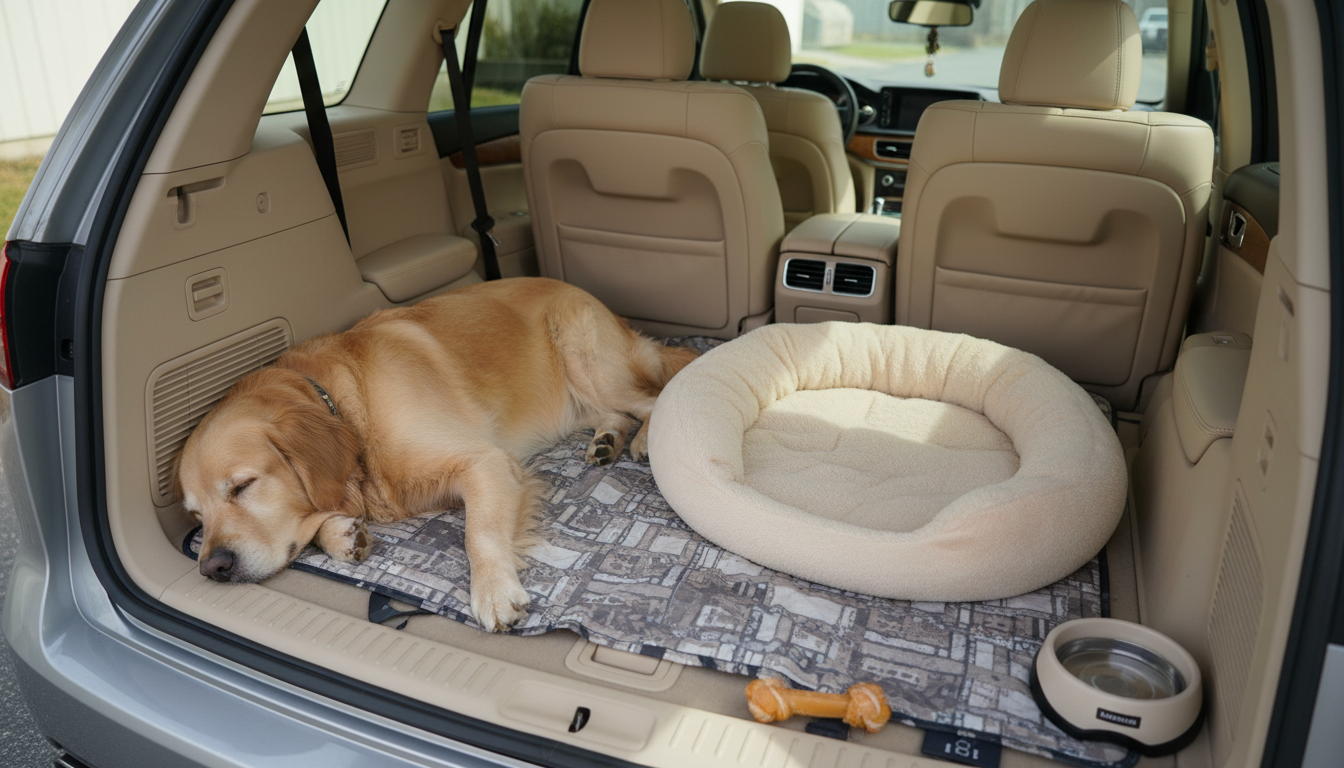
It can feel a little personal when your dog ignores a cozy bed and chooses the floor, but it’s usually about comfort and instinct—not rejection. Many dogs pick the floor because it meets a need in that moment, such as cooler temperature, more space to stretch out, or a firmer surface for their joints.
Hard floors (tile, hardwood, concrete) stay cooler than padded beds and blankets. If your home runs warm, your dog has a thick coat, or they’ve just been active, the floor can be the fastest way to regulate body temperature.
Some dogs, especially seniors or dogs with sore hips and elbows, prefer a stable surface that doesn’t “sink.” If a bed is too plush, lumpy, or worn down, the floor may actually feel more supportive.
Dogs often choose spots that give them a good view of the room or let them keep an eye on their people. A floor spot near a doorway or next to the couch can feel safe and strategic. Some dogs also like sleeping where the traffic and scents are familiar.
If a bed slides around, traps heat, or doesn’t fit your dog’s preferred sleeping style (curled up vs. sprawled out), they may opt out. A stable, non-slip base and an easy-to-clean surface can make a bed more inviting—especially for dogs that shift positions at night.
Try moving the bed to a quieter corner, away from drafts and direct vents, and consider a size that allows full stretch. If you’re shopping for an upgrade, this guide covers what to look for in a supportive, washable, non-slip option: https://kingwuff.com/blog/guide-washable-non-slip-dog-bed-mattress-plush-pad/.
This is often a comfort check: your dog may be adjusting for temperature, noise, light, or pressure on joints. It can also happen if the bed surface is too warm, too soft, or shifting under them.
Usually it’s a sign of closeness and security. Many dogs choose the floor beside you because it’s cooler, gives them room, and lets them stay near their favorite person.
A sudden change can mean the bed feels uncomfortable (flattened filling, new smell, heat buildup) or that your dog’s body needs different support. If it’s paired with limping, restlessness, or other unusual behavior, a vet check is a smart next step.