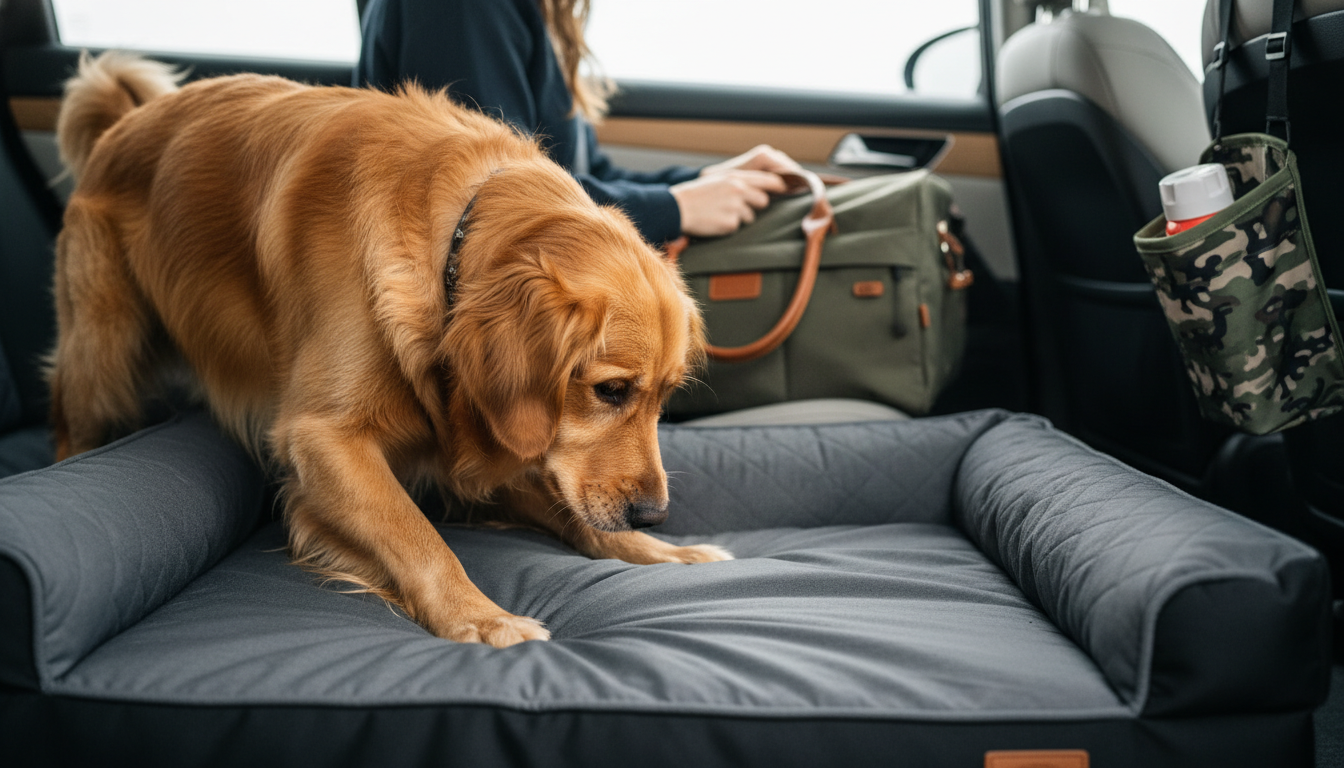
That little “dig, dig, circle, plop” routine is usually a normal comfort behavior. Many dogs paw at their beds before lying down because it helps them settle, feel secure, and get the spot just right for sleep.
Long before dogs had plush dog beds, they slept outdoors and would scratch at grass, leaves, or dirt to create a shallow nest. Pawing could help clear debris, flatten an area, and make a cozy hollow. Even indoor dogs may still follow that built-in blueprint when it’s time to rest.
Pawing can be a quick way to “fluff” or reshape bedding. Some dogs are trying to create extra cushioning under their chest and hips, while others are searching for a cooler or warmer spot. If the bed shifts easily, the scratching can look more intense because they’re working harder to get a stable, comfy surface.
Circling and pawing can be part of a bedtime ritual that signals, “This is my spot.” The routine may reduce stress and help a dog relax. It’s also a mild way of checking the area before lying down—especially for dogs that are naturally cautious or easily startled.
If the pawing is frantic, constant, or your dog keeps getting up and resettling, the bed may be too flat, too slick, or not supportive enough. A bed with durable fabric, a stable base, and cozy bolsters can make it easier for your dog to settle without so much scratching. For more tips on choosing a snug, supportive option—especially for small dogs and puppies—visit this guide to the Paw Pillow Round Dog Bed.
It’s usually an instinctive nesting behavior that helps your dog feel comfortable and secure. They may also be reshaping the bedding to support their body.
Sheets can feel cool and easy to bunch up, so some dogs paw to make a “nest.” It can also happen when a dog is excited, anxious, or trying to claim a favorite spot.
Offer a comfy, supportive dog bed nearby and reward your dog for using it. Keeping nails trimmed and adding a sturdy blanket or cover can also reduce damage and noise.