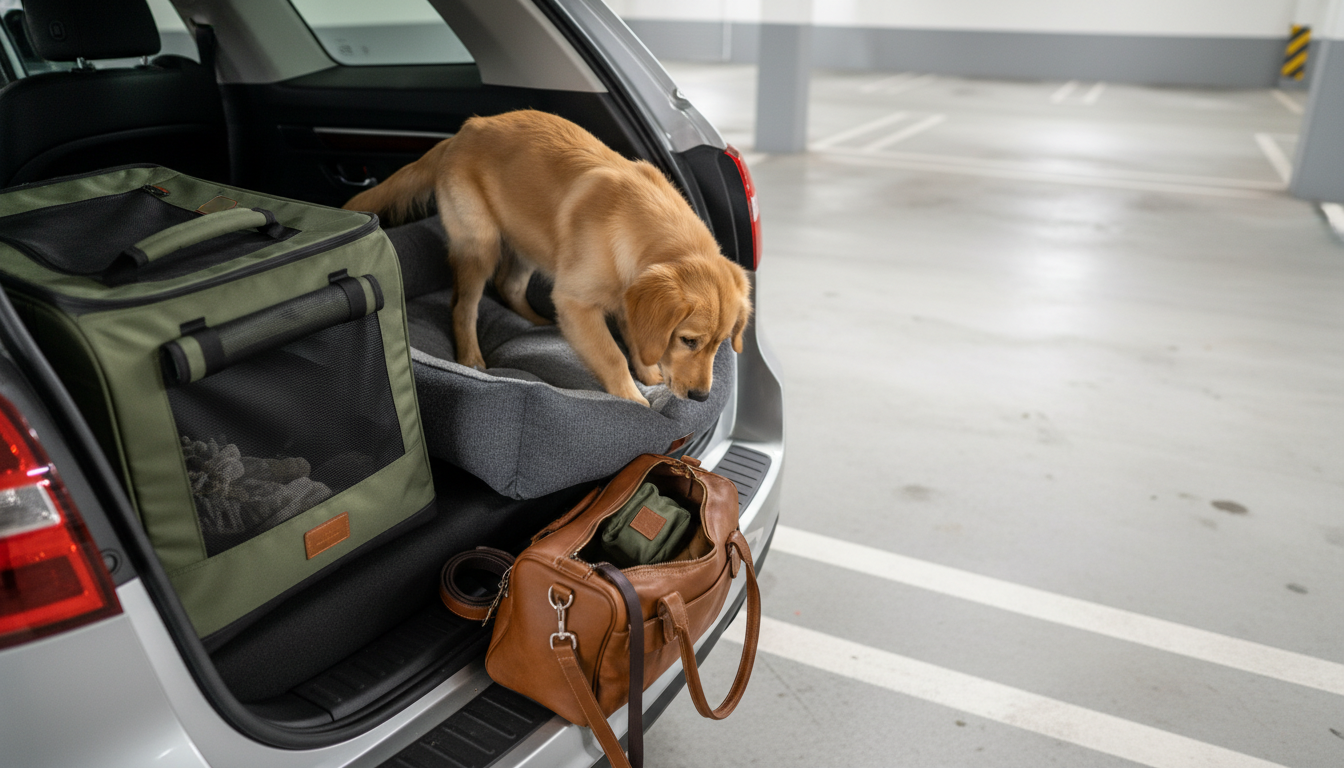
Digging on a couch or bed is a normal dog behavior, even if it’s not your favorite soundtrack at bedtime. In the wild, dogs and their ancestors dug to make a comfortable “nest,” clear debris, and shape a spot that felt safe and warm. Your dog may be doing the same thing—fluffing blankets, bunching cushions, and trying to create the perfect cozy pocket to curl into.
Most often, it’s comfort-seeking. Soft surfaces invite nesting, and the repetitive motion can help a dog settle down before a nap. Some dogs also dig when they’re excited, overstimulated, or looking for attention—especially if digging reliably gets a reaction.
Another common reason is temperature control. Dogs may “dig” to move fabric around to cool off or warm up, depending on the season. If your pup targets the same spot, scent can play a role too: they’re mixing their smell into the area so it feels familiar and secure.
Start by giving your dog a more appropriate place to nest. A supportive, cozy bed with a soft surface can satisfy that instinct while protecting your furniture. A washable cover helps, too, since nesting and pawing can bring extra wear over time.
If digging suddenly starts, becomes frantic, or comes with panting, pacing, or whining, it may point to anxiety, discomfort, or an unmet need. Dogs in pain may also paw or circle to get comfortable. If you notice changes in sleep, appetite, or mobility, a vet check is a smart next step.
For a simple way to upgrade your dog’s “nesting zone,” see this guide to choosing a cozy round bed: https://kingwuff.com/blog/guide-paw-pillow-round-dog-bed-small-dogs-puppies/.
Most dogs do best with a bed that matches their size and sleep style, offers easy-to-clean materials, and provides enough support for their joints—especially as they get older.