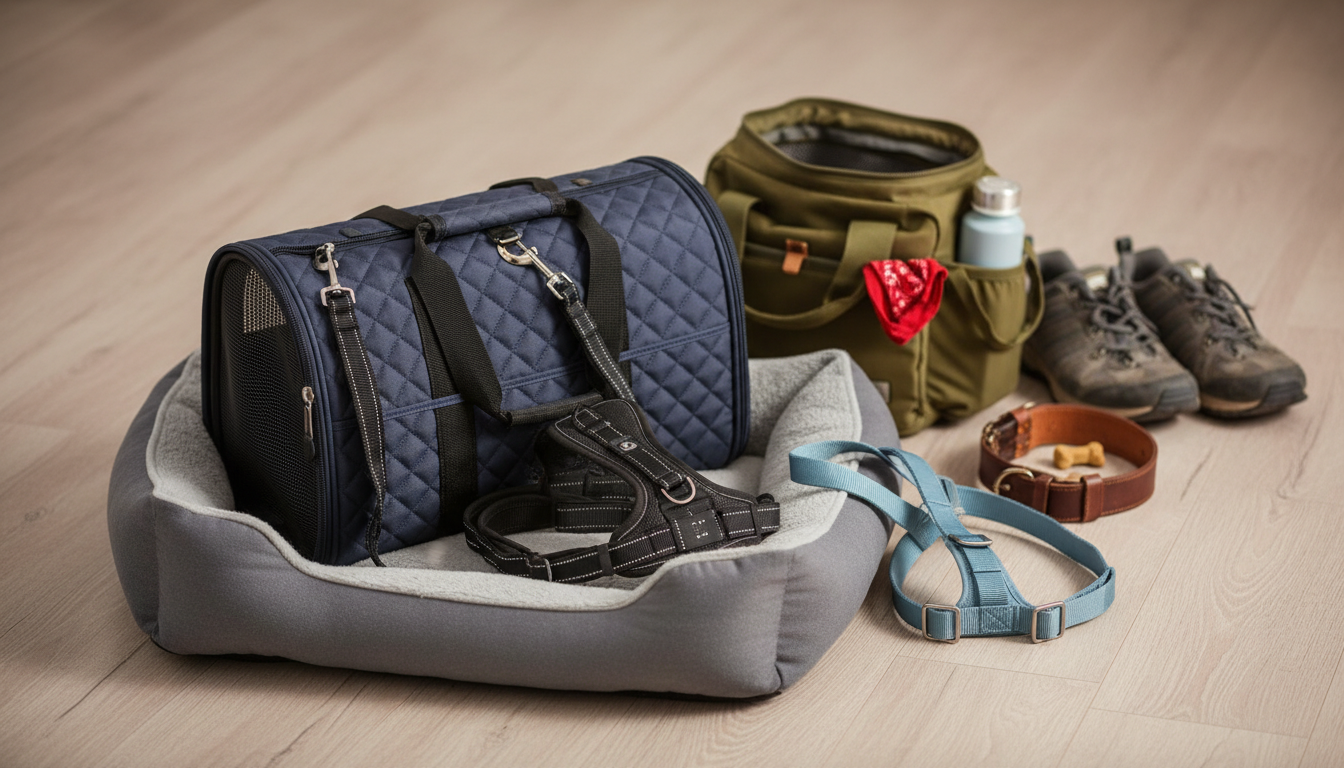
Many trainers don’t “ban” harnesses, but they may avoid recommending certain types because a harness can accidentally teach a dog to pull, restrict natural shoulder movement, or fit in a way that creates rubbing and pressure. The result is often frustration for the person holding the leash—and discomfort for the dog—especially on everyday walks.
Harnesses distribute force across the chest and torso rather than the neck. That can be gentler for many dogs, but it also means a strong puller can lean into the harness and keep going. If the harness is paired with a standard back-clip leash, some dogs quickly learn that pulling “works,” which slows down loose-leash training.
Another common concern is biomechanics. Bulky or poorly designed harnesses can sit too close to the shoulders, limiting stride and creating an awkward gait over time. Straps that cross the front of the chest or sit high in the armpits can cause chafing, matting, and sore spots—especially on longer walks or active outings.
Harnesses are for walking, not for securing a dog in a moving car (unless the harness is crash-tested and used with an appropriate restraint system). For travel comfort and safer rides, a dedicated carrier or car seat can help keep pups more stable and cozy during trips. For a helpful travel-focused walkthrough, visit this guide to the Puff Puppy Dog Car Seat Carrier Bag.
Look for a harness that allows full shoulder movement, offers adjustable points for a snug (not tight) fit, and minimizes rubbing in the armpit area. Many trainers also prefer options with a front-clip attachment to reduce pulling while reinforcing calmer walking habits. Whatever style you choose, recheck fit often—especially for growing dogs or fluffy coats that can hide loose straps.
They can be if the harness restricts shoulder movement or causes an unnatural gait. A well-fitted, mobility-friendly design is less likely to create strain over time.
Y-shaped styles are often chosen because they can leave more room for the shoulders when properly fitted. The key is correct sizing and strap placement to avoid armpit rubbing.
A Y harness typically forms a “Y” on the chest to help keep straps away from the shoulder joint, while an H harness often uses more horizontal strap lines across the chest and back. Either can work well if it fits correctly and doesn’t limit movement.