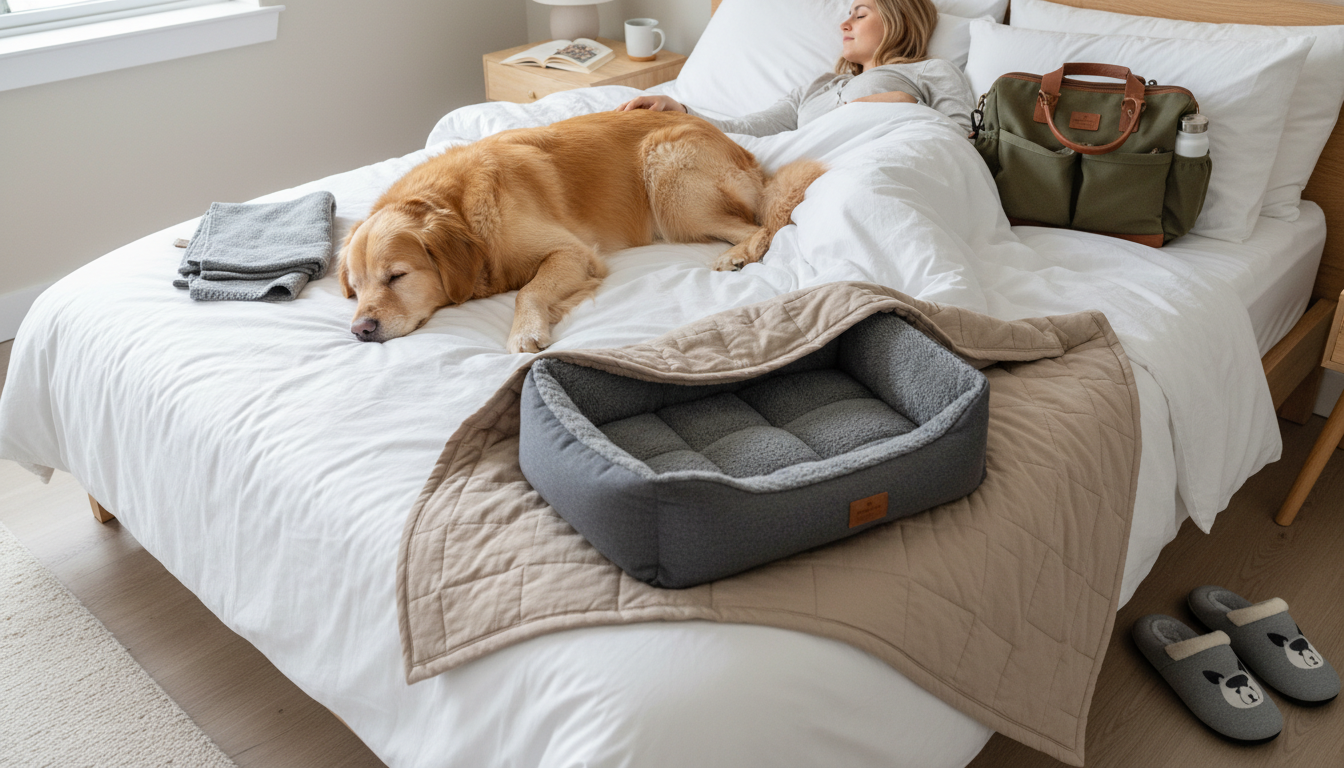
Below are practical points for why aren’t dogs supposed to sleep with you?.
Dogs aren’t “not supposed” to sleep with you in every situation—but there are a few common reasons many vets and trainers recommend keeping bedtime separate. The biggest one is sleep quality. Dogs shift positions, dream, lick, scratch, and respond to hallway noises, which can quietly break up your rest (and theirs). If anyone in the home wakes up tired, that can affect mood, training consistency, and overall wellbeing.
Another concern is health and hygiene. Even well-groomed dogs can track in pollen, dust, and microscopic hitchhikers like fleas or ticks, and some pets carry intestinal parasites without obvious symptoms. If you have allergies, asthma, or sensitive skin, sharing pillows and blankets can make nights uncomfortable.
Behavior can also play a role. Some dogs become more possessive of the bed or more anxious when they can’t be physically close. In multi-dog homes, bed-sharing may create tension or resource guarding. And for puppies, senior dogs, or pets with orthopedic issues, jumping on and off a high mattress can increase the risk of injury.
A cozy compromise is giving your dog their own safe “sleep spot” close to you—like a supportive bed on the floor next to your bed. That keeps the comforting presence while maintaining cleaner boundaries and reducing nighttime disruptions. For ideas on creating a comfortable, tidy setup, visit this guide to a cozy and clean dog bed routine.
If bed-sharing is important to you, consider setting a consistent rule (invited up vs. always allowed), using a washable cover, staying on parasite prevention, and checking with your vet if your dog has sudden clinginess, coughing, itching, or changes in sleep.
Yes, many dogs feel calmer sleeping nearby, and owners often sleep better knowing their pet is close. A dedicated dog bed next to your bed can offer the same comfort with fewer disruptions.
Heartworm disease is often called a “silent killer” because dogs may show few signs until it’s advanced. Regular prevention and vet testing are the safest approach.
Sudden changes can come from stress, aging, temperature changes, or discomfort. If it’s new and persistent, a vet check can help rule out pain or illness.