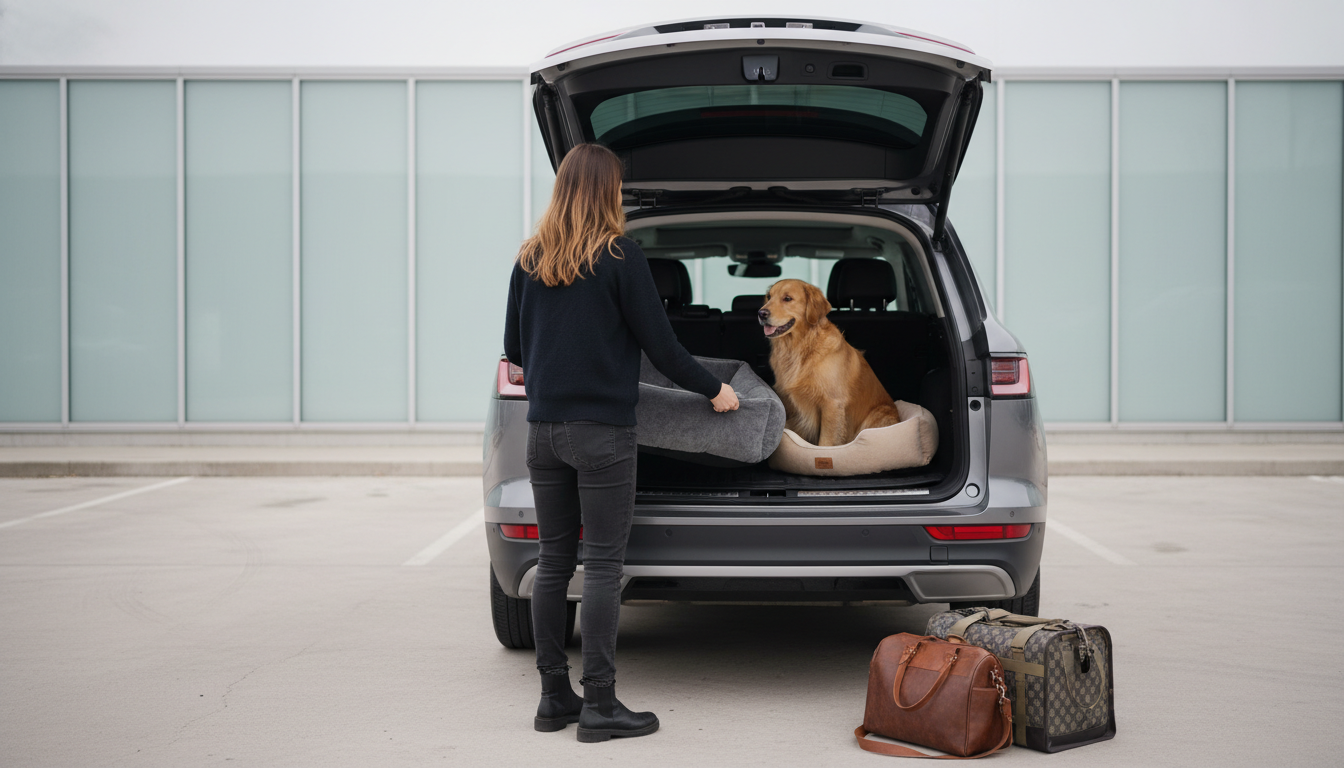
The best place for your dog to sleep at night is wherever they can feel safe, comfortable, and settled—usually a quiet spot indoors that stays a steady temperature and is away from heavy foot traffic. For most homes, that means a cozy dog bed in your bedroom or just outside it, so your dog can relax near their favorite people without being disturbed by late-night noise.
If your dog sleeps best in a crate, place it in a calm corner (not isolated), keep the door arrangement consistent, and make it inviting with supportive bedding. Crate sleeping can be especially helpful for puppies, dogs who get anxious, or dogs who need help staying out of trouble overnight.
If you prefer your dog to sleep on a bed or mat (not in a crate), choose a dedicated sleep spot and stick to it. Consistency matters: it helps your dog learn what “bedtime” means and reduces roaming, barking, or waking up to patrol the house.
Below are practical points for how to choose the right sleep setup.
Avoid hallways, drafty doors, and areas near TVs or speakers. Many dogs rest better in dim, low-activity spaces where they won’t feel the need to monitor every sound.
A well-cushioned bed that keeps your dog off cold floors can make a noticeable difference—especially for seniors, large breeds, or dogs with stiff joints. Look for sturdy materials and an easy-to-clean cover to keep the sleep space fresh.
Wash bedding regularly, wipe paws before bed if needed, and maintain a simple nightly routine (final potty break, water check, lights down). A familiar rhythm helps most dogs settle faster and sleep longer.
For more tips on choosing the right bed style, keeping the sleep area tidy, and creating a nighttime “nest” your dog actually loves, visit this complete dog bed comfort guide.
A quiet indoor spot with a comfortable bed—often in or near your bedroom—works well for most dogs. Choose a place that’s warm, low-traffic, and consistent each night.
If a dog must sleep outside, they need a dry, draft-protected shelter with insulated bedding and safe temperature control. Many dogs still do best sleeping indoors for comfort and safety.
In the story, sled dogs conserve warmth by nesting into the snow and curling up tightly, sometimes using their tails to cover their noses. They rely on thick coats, teamwork, and finding sheltered spots out of the wind.