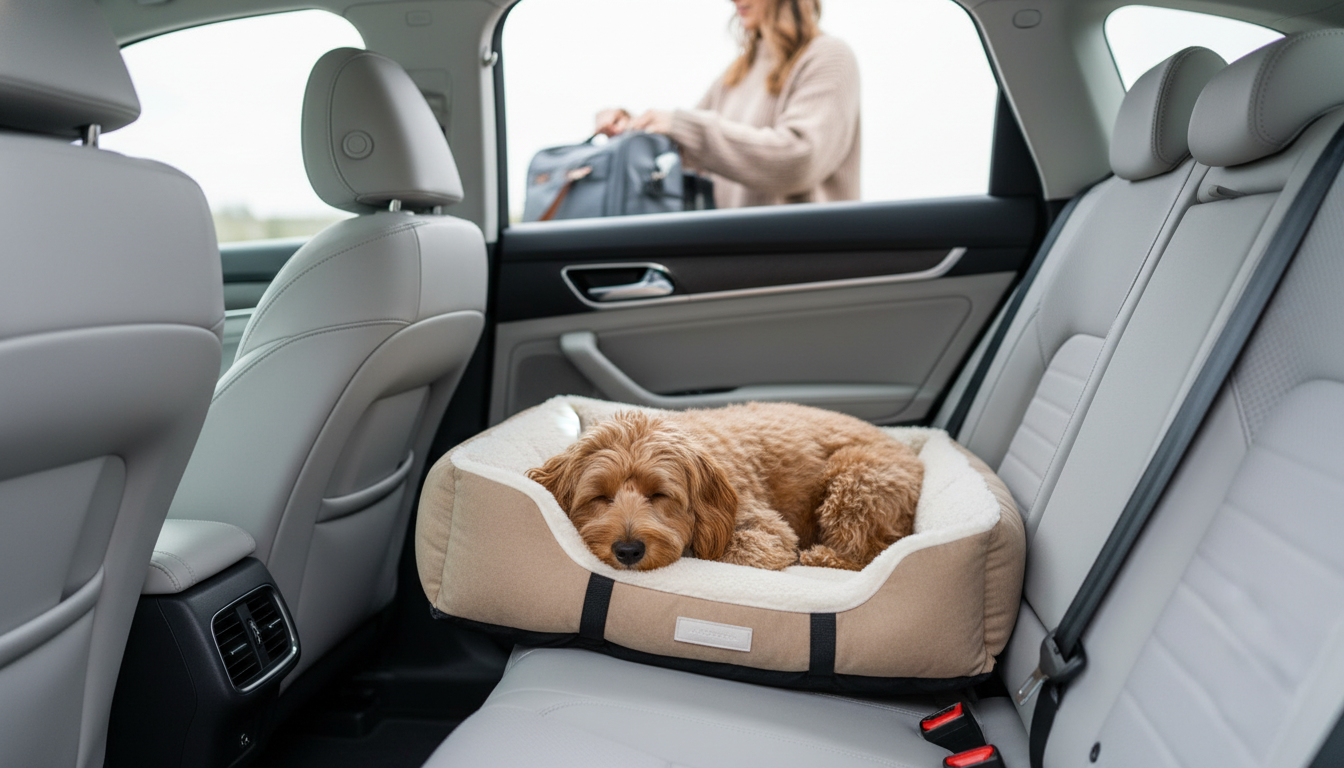
The best place for a dog to sleep is a quiet, draft-free spot where they feel secure, can fully relax, and won’t be startled by late-night traffic. For many homes, that means a bedroom corner, a calm nook in the living room, or a dedicated sleep area just outside the bedroom door—close enough to feel connected, but not in the middle of the action.
Dogs settle fastest when their sleep area stays consistent. Pick a low-traffic location away from slamming doors, stairways, and busy hallways. Avoid placing a bed right next to heating vents, fireplaces, or air conditioners, which can make the temperature swing overnight.
A supportive, easy-to-clean dog bed helps dogs sleep deeper and wake up less stiff—especially puppies, seniors, and larger breeds. Place the bed on a stable surface (not wobbling or sliding), and consider a spot with a wall behind it so your dog doesn’t feel “exposed” from every direction.
There isn’t one “right” room—what matters is restful sleep for everyone. If your dog sleeps best near you, a bed in the bedroom can reduce nighttime pacing and whining. If your dog is crate-trained and finds it soothing, the crate can be an excellent sleep zone—just keep it comfortable, properly sized, and never used as punishment. For independent sleepers, a cozy corner in a quiet room can work beautifully.
Dim lights, offer a final potty break, and make the sleep area inviting with familiar scents. If your dog tends to wander, placing the bed in a spot with fewer visual distractions can help them settle faster.
For more tips on creating a clean, cozy sleep setup (and choosing the right bed), visit this dog bed comfort guide.
A comfortable, safe “home base” in a low-traffic area works well—ideally near family activity but away from constant foot traffic. Provide water, a cozy bed, and a few enrichment options, and use gates or a crate as needed for safety.