Below are practical points for this section.
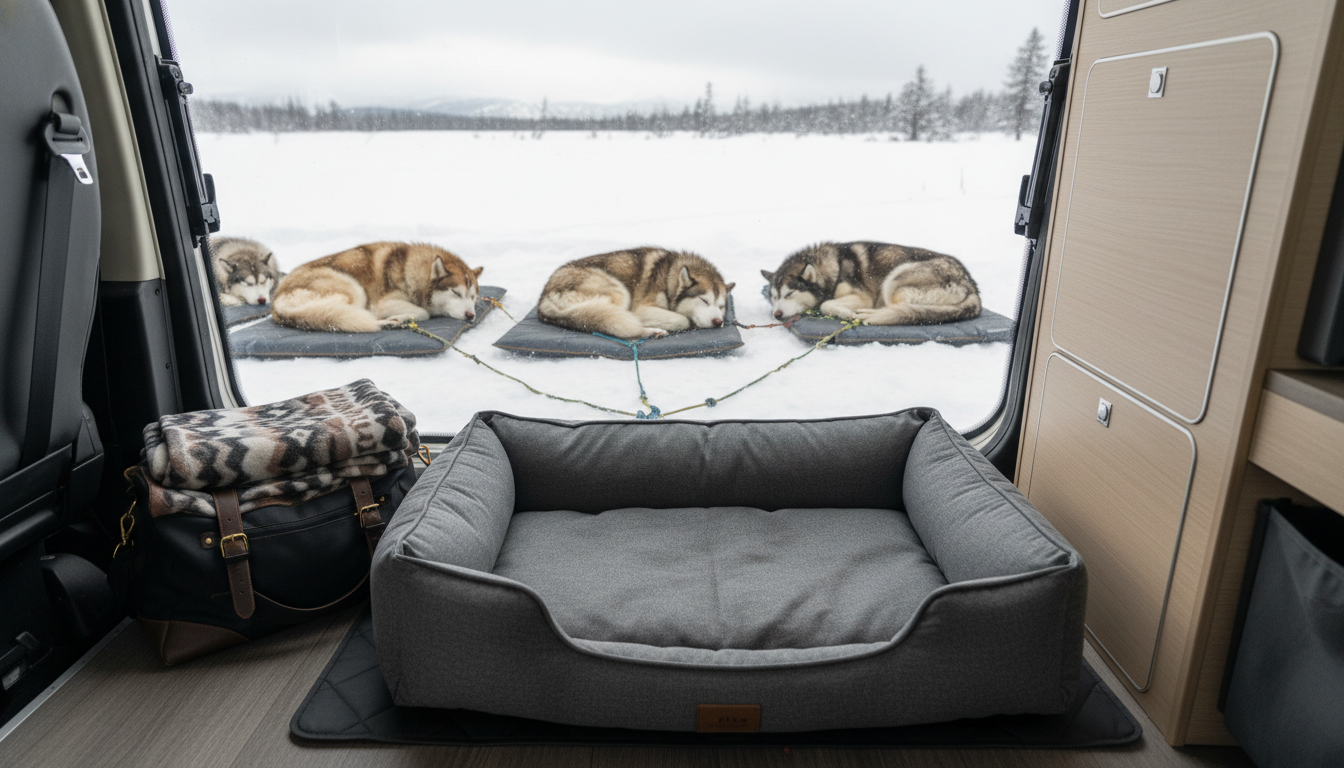
In The Call of the Wild, the other sled dogs sleep outdoors in the open, right on the frozen ground. Instead of blankets or raised bedding, they curl up tightly and often dig a shallow hollow in the snow to block the wind. Their thick coats do the rest, trapping body heat close to the skin.
They sleep this way because life in the Yukon is built around endurance and efficiency. The men traveling with the team don’t carry extra gear for dog bedding, and the dogs are expected to recover in whatever conditions the trail offers. A quick “snow nest” is practical: it’s available everywhere, it’s fast to make, and it helps the dogs conserve energy for the next day’s pull.
This is one of the moments that teaches Buck a hard lesson—comfort isn’t guaranteed, and staying warm becomes a skill. He learns by watching the experienced dogs and by feeling the consequences himself. The dogs that understand how to curl, tuck their paws, and use the snow as a shelter are the ones that keep their strength through brutal nights.
Of course, most pets today don’t have to sleep in survival conditions—yet the same idea still matters: warmth, security, and a clean, protected surface can make rest deeper and recovery easier. If you’re building a cozy “nest” feeling at home (without the snow), take a look at the comfort-focused sleep setup ideas in this guide: Midnight Nest Dog Bed: Cozy, Clean, Sleek Comfort.
They sleep outside on the snow, often curled up in a small hollow they’ve scraped out. It helps block wind and conserve body heat without extra supplies.
Yes. People still read and study the novel, and it remains a commonly taught classic.
The sled dogs face harsh conditions, exhausting work, and frequent danger, with outcomes that range from survival and adaptation to injury and death. The story highlights how unforgiving the environment can be.