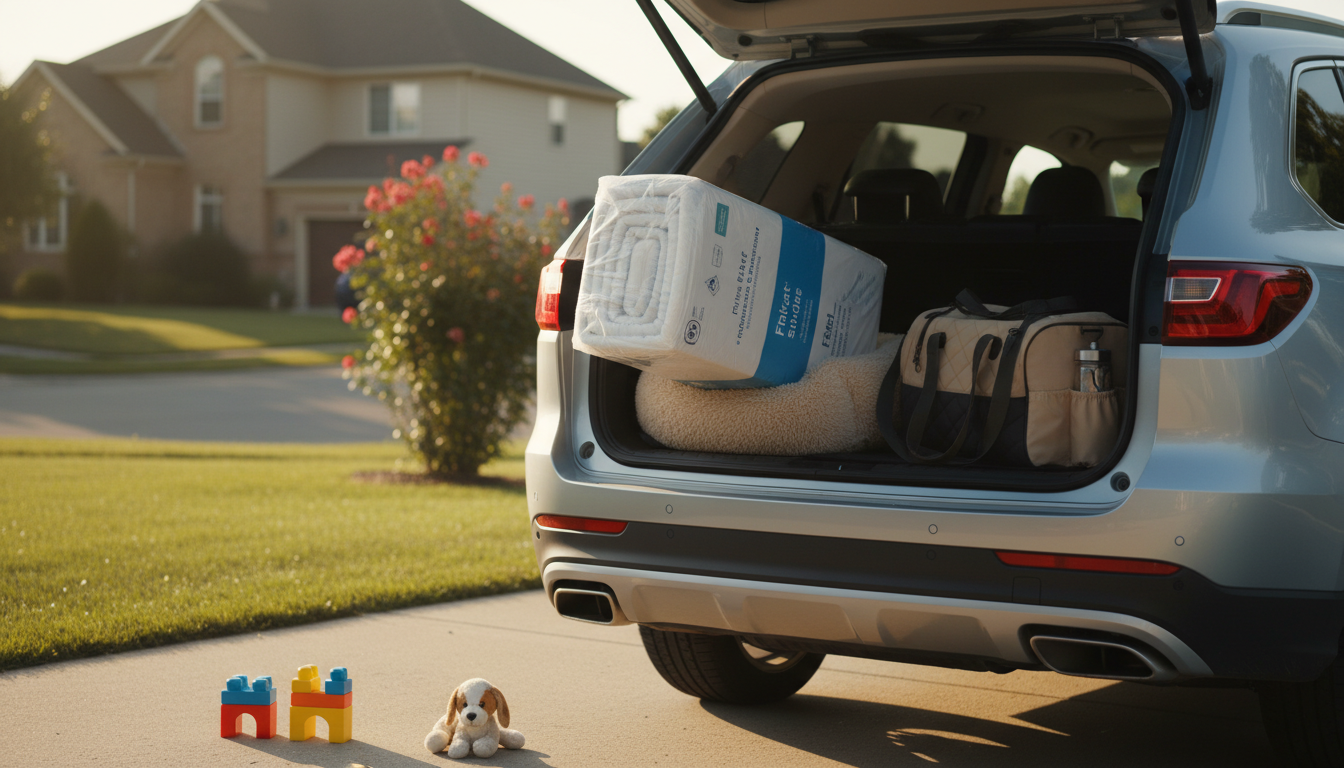
Pediatricians generally recommend a firm, flat mattress that fits the sleep space snugly and meets current safety standards. For babies and young children, “firm” matters because it helps keep the sleep surface stable and reduces the chance of a face sinking into soft material. A flat surface (not inclined) is also important for safer breathing and positioning.
A pediatrician-approved mattress should feel supportive right away—more like a dense foam or tightly built innerspring than a plush pillow-top. When you press your hand down, it should spring back quickly and not leave a deep impression. The surface should stay level end to end, without extra pads, toppers, or soft cushions added on top for young children.
Beyond firmness, pediatric guidance often centers on a few practical details: a tight fit in the crib or toddler bed (no gaps at the edges), a breathable design that doesn’t rely on thick, fluffy layers, and materials that are easy to keep clean. A waterproof, well-fitting mattress protector can help with everyday messes while keeping the sleep surface smooth and firm.
For infants especially, avoid overly soft mattresses, thick pillow-top styles, memory-foam “sink-in” feels, and add-ons like cushy toppers or loose padding. These can make the sleep surface less stable and harder to maintain as a consistently firm, flat area.
If you’re someone who values safe, supportive sleep surfaces for kids, the same mindset often applies to pets—steady support, easy-clean materials, and slip-resistant designs for everyday comfort. For a pet-centric take on washable, durable comfort, see this guide: washable non-slip dog bed mattress & plush pad guide.
Most dogs do best with a bed that matches their size and sleep style, offers easy-to-clean materials, and provides enough support for their joints—especially as they get older.