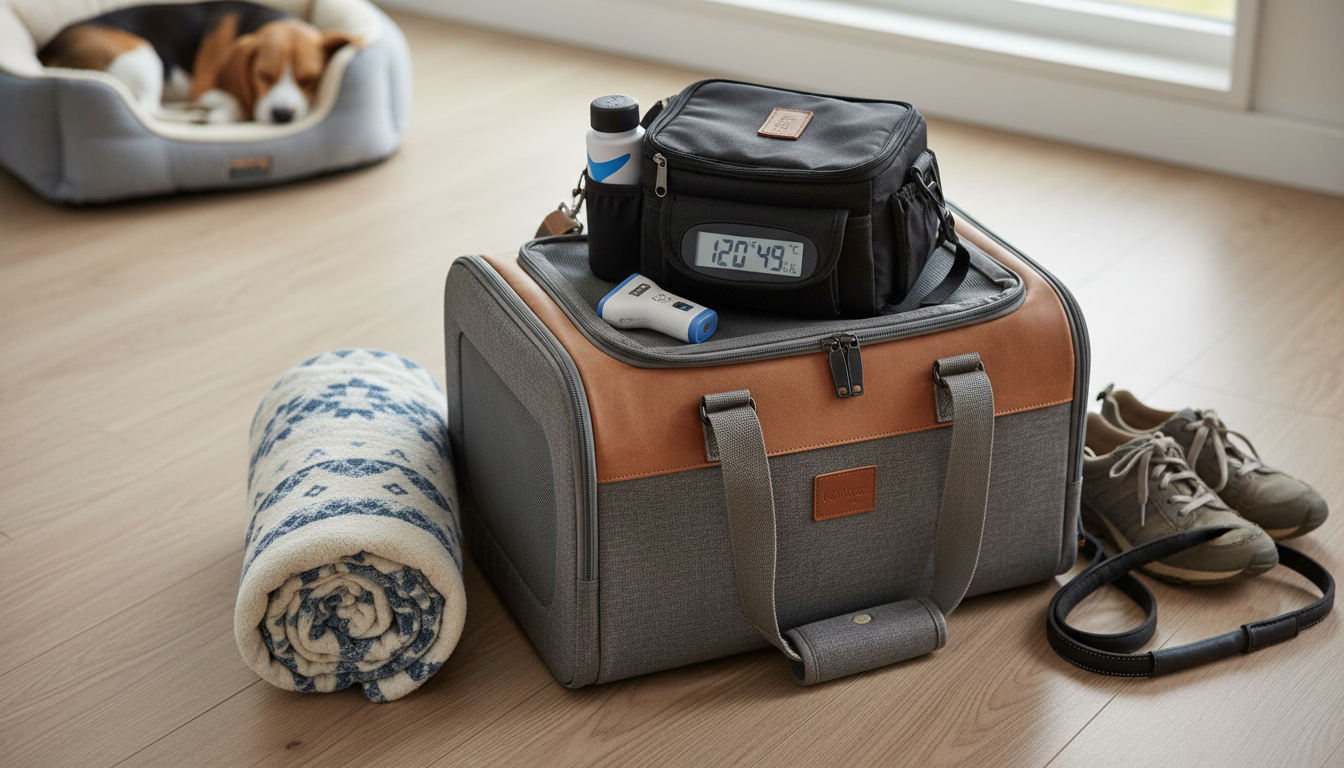
For most dogs, outdoor walks start getting risky once the air temperature reaches about 85°F, and they can become unsafe quickly at 90°F and above—especially with humidity, direct sun, or low airflow. Some dogs struggle sooner, including brachycephalic breeds (like Bulldogs and Pugs), seniors, puppies, overweight dogs, and dogs with dark coats.
A more practical way to judge “too hot” is to consider both the temperature and the conditions: if it feels muggy, the sun is strong, or your dog can’t cool down well, treat the day like it’s hotter than the thermometer shows.
Heat stress can sneak up fast. End the walk and move to shade (and offer cool water) if you notice heavy panting that doesn’t ease, slowing down or refusing to move, bright red or pale gums, drooling, wobbliness, vomiting, or confusion. If symptoms are severe or worsening, contact a vet right away.
In summer, sidewalks and asphalt can be far hotter than the air and can burn paw pads. A simple check: place the back of your hand on the pavement for 7 seconds. If it’s too hot for your hand, it’s too hot for paws. When surfaces are scorching, choose grass, walk early or late, shorten the route, or switch to indoor enrichment.
Aim for early-morning or after-sunset walks, bring water, and keep outings short and shaded. A hands-free walking setup can help you stay organized so treats, waste bags, and water are easy to grab without fumbling. For tips on staying prepared and comfortable on everyday walks, visit this hands-free dog walking bag guide.
Usually, no—72°F is comfortable for most dogs. Still, watch humidity and sun exposure, and bring water for longer walks.
Pavement can become dangerous even when the air feels manageable. Use the 7-second hand test; if you can’t keep your hand on it, your dog’s paws shouldn’t be on it either.
It’s a training idea: aim for about 90% “sniff and explore” and 10% structured walking. Letting dogs sniff more can reduce stress and make walks more enriching.