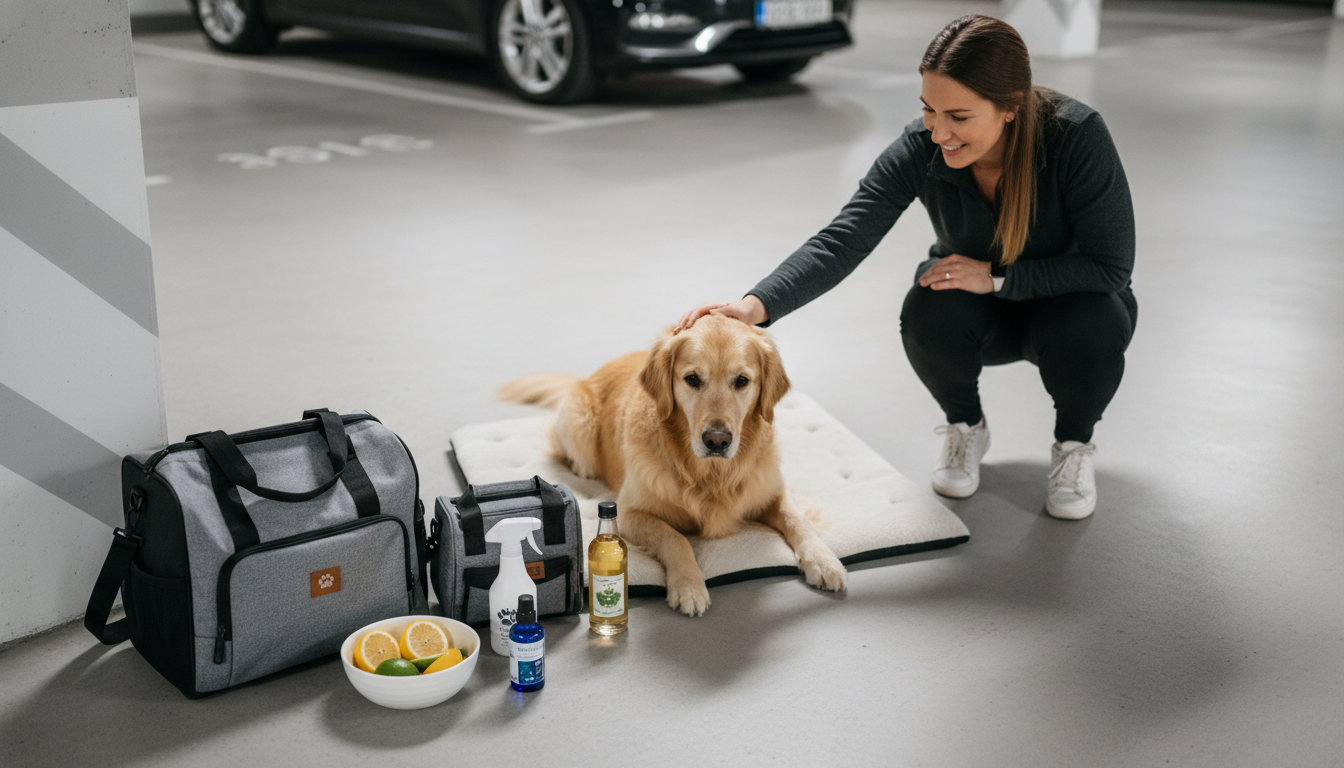
Many dogs avoid going potty where the smell is sharp, acidic, or “chemical” to them. The most commonly mentioned scents are vinegar (especially white vinegar), citrus (lemon/orange), and strong minty smells. Some pet parents also report success with certain commercially made deterrent sprays that use bitter or herbal odor blends designed specifically for dogs.
That said, no scent works for every dog. Puppies, anxious dogs, and dogs that have already “marked” a spot may ignore scents—especially outdoors where wind and rain dilute odors quickly. For indoor problem spots, you’ll usually get better results when a scent deterrent is paired with a thorough enzymatic cleaner to remove the old urine smell first.
For pet safety and your home’s comfort, start small and test any solution on an inconspicuous area—some floors and fabrics can discolor. Keep scents mild and avoid anything that can irritate a dog’s nose or skin. Citrus essential oils, for example, can be risky if concentrated or licked, so it’s smarter to use diluted, pet-safe products or a light citrus peel-in-water approach rather than pure oils.
Try this simple routine for indoor “repeat offender” areas:
If you’re working on potty manners during walks, staying organized helps you redirect quickly and reward the right behavior. For a cozy, hands-free setup that keeps treats, wipes, and bags within reach, check out this guide to the Beige Rover dog walking bag.
A common DIY option is a 1:1 mix of white vinegar and water in a spray bottle. Lightly mist the cleaned area and reapply as needed, testing surfaces first for discoloration.
Vinegar can deter some dogs because the smell is strong and acidic. It works best after the spot is cleaned with an enzymatic cleaner and when you reapply regularly.
People often mention vinegar, citrus, and minty scents as deterrents, but results vary a lot by dog. For reliability, combine deterrents with proper cleaning and consistent potty training.