With hip dysplasia, the big goal is to reduce pain, prevent flare-ups, and protect your dog’s joints from extra wear. That often means skipping a few everyday habits that seem harmless but can quietly make mobility worse.
A long run, repetitive fetch, or steep hikes can overload unstable hips. If your dog is lagging, bunny-hopping, reluctant to stand, or limping, don’t “walk it off.” Scale back to shorter, calmer outings and ask your vet about a safe activity plan.
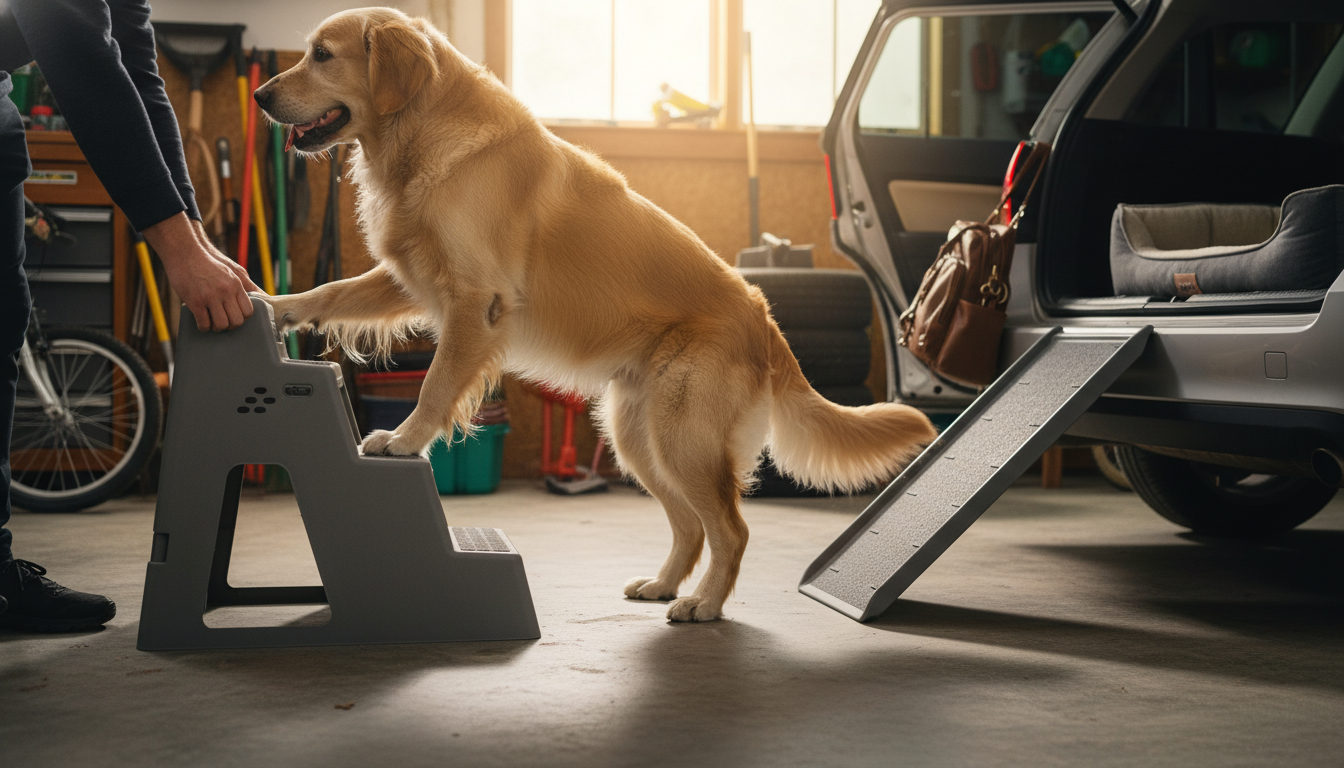
Jumping from beds, sofas, or car seats can spike impact on the hip joint. Use ramps or steps, lift when needed, and consider a supportive, low-entry bed to make resting and getting up easier.
Hardwood and tile can cause splaying and sudden slips that strain hips and lower back. Add runners, non-slip mats, or traction socks, especially along common paths (food bowl, favorite nap spot, back door).
Extra pounds increase joint stress with every step. Avoid frequent high-calorie treats, table scraps, and inconsistent portions. A steady weight-management plan—guided by your vet—often makes movement noticeably more comfortable.
A rough car ride, awkward lifting, or a cramped setup can trigger soreness. Skip unstable seating and hard edges that press on joints. Instead, aim for secure, cushioned support and smooth handling during trips. For comfort-focused travel ideas and gear tips, visit this guide to pet travel comfort gear.
Waiting too long to address pain can lead to muscle loss and reduced mobility. Ask your vet about anti-inflammatory options, joint supplements, physical therapy, hydrotherapy, or targeted strengthening to keep your dog moving safely.
High-impact activity, jumping, slippery floors, and carrying extra weight commonly aggravate symptoms. Cold, damp weather can also make some dogs stiffer and more sore.
Overexertion, repeated strain, poor traction at home, and inconsistent pain control can worsen mobility over time. Lack of muscle support from inactivity can also contribute to instability.
Many dogs rest most comfortably on their side with legs supported, or on their chest with hips aligned and a cushion under the body. A firm, supportive bed helps keep joints from sinking into awkward angles.