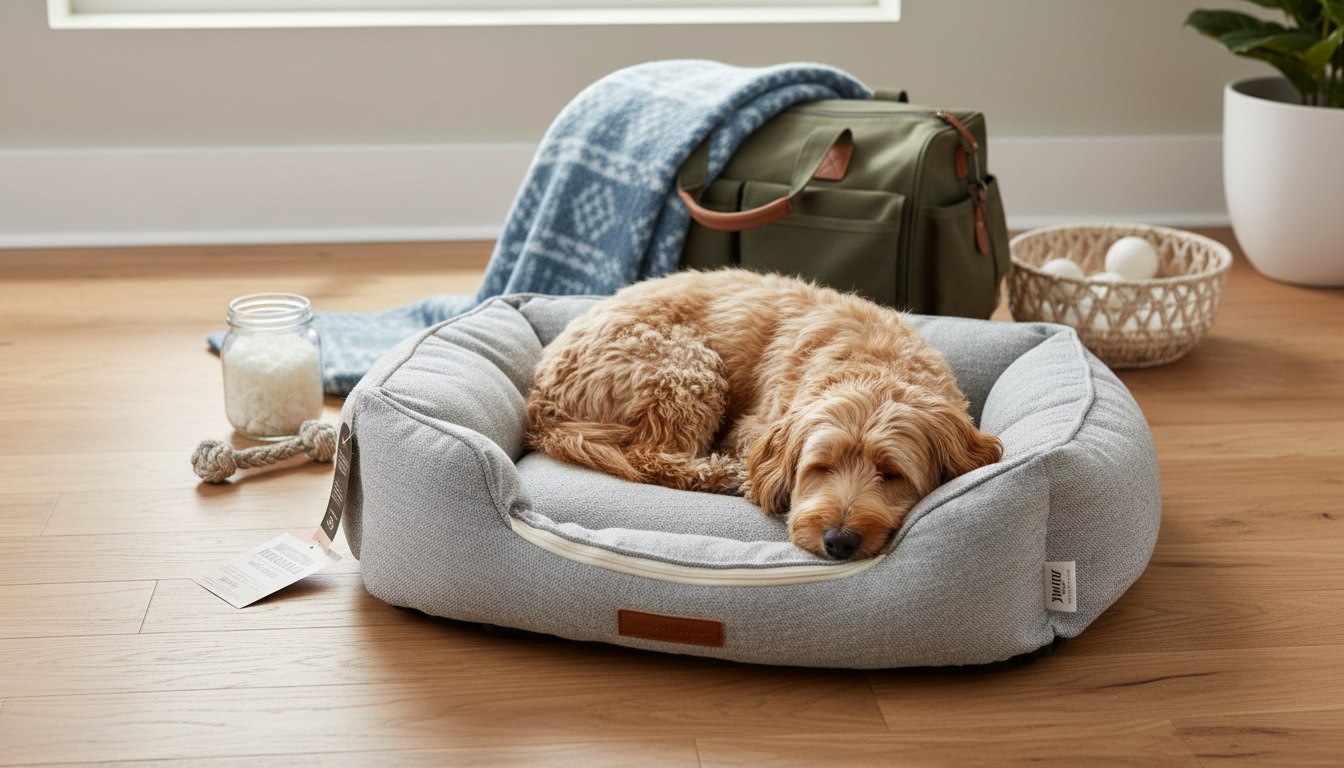
A dog bed is considered hypoallergenic when it’s designed to reduce common irritants that can trigger itching, sneezing, watery eyes, or skin flare-ups. While no bed can guarantee “zero allergens,” the right materials and construction can make a big difference for sensitive pups (and the humans who share their space).
Hypoallergenic dog beds typically use tightly woven fabrics that help keep pet dander, dust, and pollen from settling deep into the fibers. Smooth, durable textiles tend to hold onto fewer particles than loose weaves or high-shed fabrics. Beds that avoid heavy shedding materials and excess lint also help keep the sleep area cleaner between washes.
One of the biggest “hypoallergenic” features is simple: frequent laundering. Beds with removable, machine-washable covers (and ideally a washable liner, too) allow you to routinely remove dander, saliva residue, dust mites, and outdoor allergens. A bed that’s easy to unzip, wash, and dry encourages consistency—key for allergy-prone households.
Moisture can invite mildew and bacteria, which can worsen sensitivities. Hypoallergenic beds often use fills that dry faster, resist clumping, and don’t stay damp after accidents or drool. Odor-resistant, quick-drying components can help keep the bed fresher and more comfortable over time.
Quality stitching and secure seams reduce the chance of fill escaping and collecting as dust. Pet-safe dyes and finishes, plus fewer harsh chemical treatments, can be helpful for dogs with skin sensitivities. A well-made bed also holds its shape, so it stays supportive and cozy without breaking down into irritating fuzz or lumps.
If you’re comparing cozy, cave-style comfort options and want a closer look at features that support comfort, quality, and everyday practicality, visit this dog bed guide.
Yes. Dogs can react to certain fabrics, dyes, detergents, dust mites, or trapped allergens like pollen and dander. Regular washing and choosing gentle materials can reduce reactions.
Tightly woven, smooth fabrics that don’t trap dander easily are commonly considered more hypoallergenic. Removable, washable covers are often just as important as the fabric type.
Look for details like a removable machine-washable cover, low-lint materials, and clear care instructions that support frequent cleaning. If your dog’s itching or redness improves after switching and washing regularly, that’s a helpful sign.