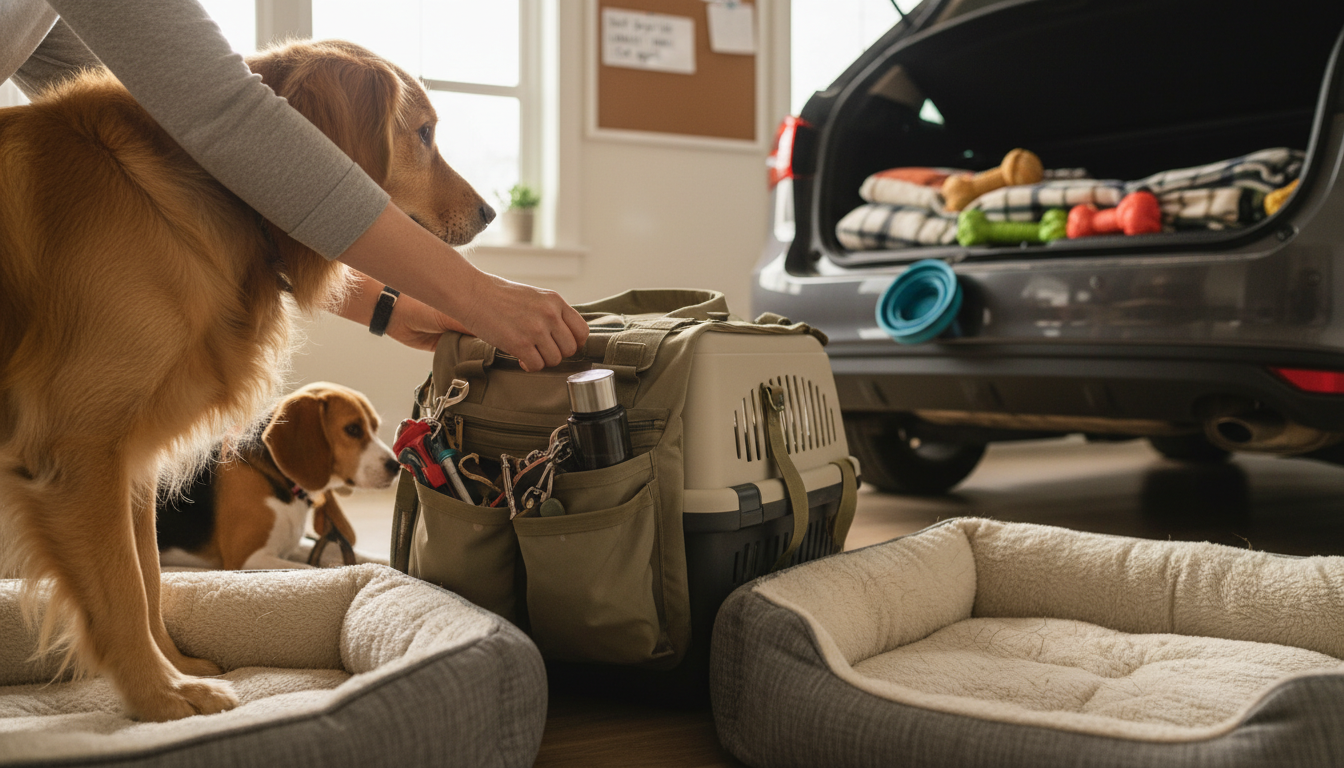
Dog walking is all fresh air and wagging tails—until something unexpected happens. The right insurance helps protect a dog walker, the pets in their care, and the clients’ property. Most professional dog walkers carry a mix of liability coverage, care/custody/control protection, and practical add-ons based on how they work day to day.
This is the baseline for many dog-walking businesses. It can help cover claims if a client (or someone nearby) is injured, or if property is damaged during a walk—like a dog pulling over a planter or scratching a door. If you’re walking dogs in public spaces, it’s a smart layer of protection.
This coverage is designed specifically for situations involving an animal in your care. If a dog is injured, gets loose, or needs emergency vet care while you’re responsible for them, this can help with related costs and claims (depending on the policy). It’s often one of the most relevant protections for walkers.
Professional liability can help if a client claims your services caused a financial loss—such as allegations of negligence, missed instructions, or a preventable incident. It’s especially helpful if you offer pet sitting, administer medication, or manage more complex routines.
If you drive dogs to parks, trails, daycare, or the vet, personal auto insurance may not cover business use. A commercial auto policy (or a business-use endorsement) can help protect you if there’s an accident while transporting pets.
If you have employees, workers’ compensation may be required by your state. You might also consider tools/equipment coverage (for leashes, treat pouches, and gear) and cyber coverage if you store client info or accept online payments.
To keep walks smooth and organized—especially when you’re juggling leashes, keys, and treats—check out our hands-free dog walking setup tips in this guide: https://kingwuff.com/blog/guide-red-rover-dog-walking-bag-hands-free-waist-pack/.
Many dog walkers start with general liability plus pet care, custody, and control coverage. Add professional liability if you offer higher-responsibility services, and commercial auto if you transport dogs.
Being insured is widely recommended, and bonding can add reassurance for clients worried about theft or dishonesty. Some clients (or platforms) may require both before hiring.
Bonding isn’t always legally required, but it can be a helpful trust-builder. It may be more important if you’ll have access to a client’s home without them present.