What Is the Safest Way to Drive With a Large Dog?
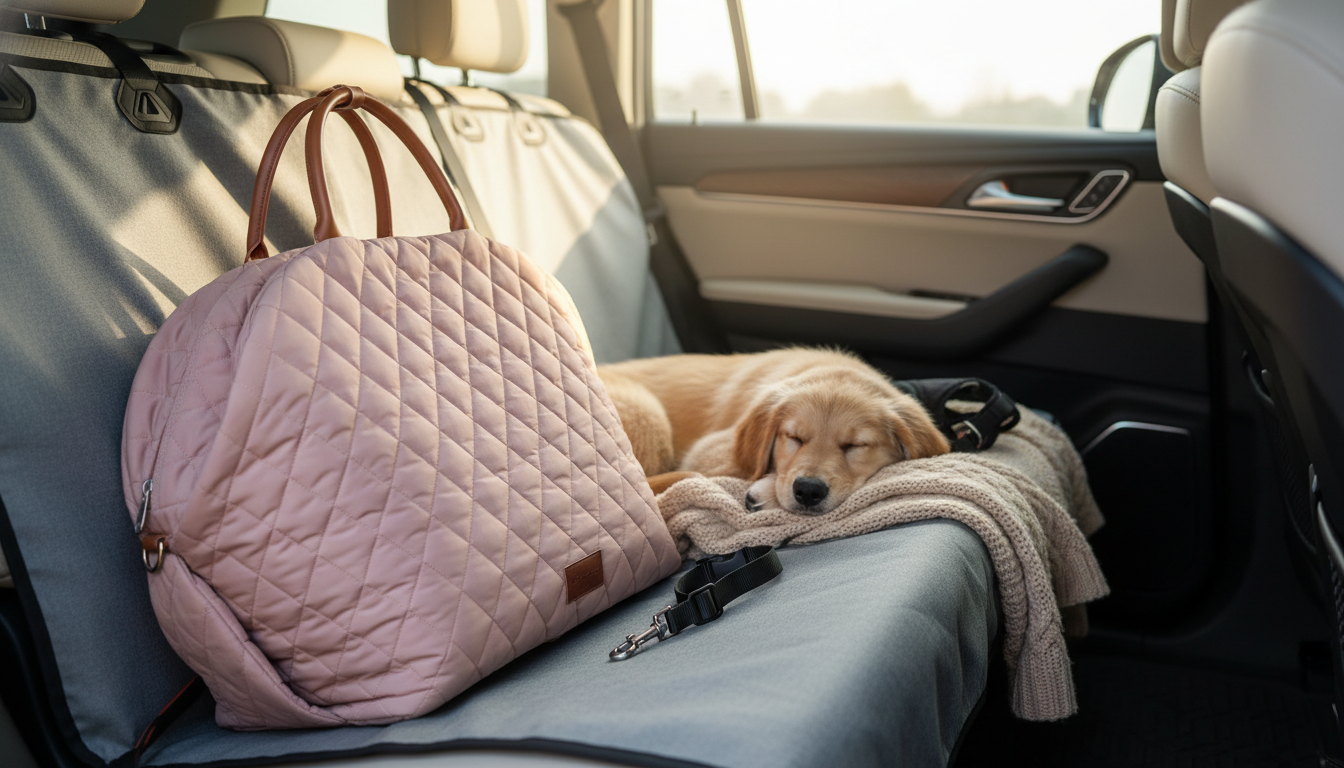
What is the safest way to drive with a large dog?
Keeping a large dog safe in the car is all about secure restraint, comfort, and calm. The safest setup is a crash-tested harness that clips into your vehicle’s seat belt system or a crash-tested crate anchored in the cargo area. Either option helps protect your dog in sudden stops while reducing driver distraction.
Choose a secure restraint
- Crash-tested harness: Fit a robust, properly sized harness and buckle it into the rear seat. Ensure snug chest and belly straps and eliminate slack in the seat belt tether.
- Crash-tested crate: Place a rigid, appropriately sized crate in the cargo area or rear seat and secure it to anchor points to prevent tipping or sliding.
- Cargo barrier: If your dog rides in the back, add a sturdy barrier to keep them from lunging forward during braking.
Set up a calm, comfortable ride
- Rear seat only: Keep large dogs out of the front seat. Airbags can injure pets in a collision.
- Stable footing: Use a non-slip mat or padded bed inside the crate or next to your dog’s harnessed spot to reduce sliding and motion anxiety.
- Ventilation: Maintain airflow and a comfortable temperature; avoid direct blasts from vents.
Drive smart and plan ahead
- Gradual acclimation: Let your dog explore the harness or crate at home, then take short practice drives before long trips.
- Smooth driving: Gentle acceleration, wide turns, and longer following distances help your dog stay balanced and relaxed.
- Breaks every 2–3 hours: Offer water, short walks, and calm reassurance. Never leave your dog alone in a hot or cold car.
- Window safety: Keep heads inside—use locked or partially raised windows to protect eyes and ears.
For cozy, well-organized travel with smaller pups, explore King Wuff’s premium pet travel accessories. Learn more in the full guide: Safest ways to travel with your dog.
FAQs
Use a crash-tested harness or crate secured to vehicle anchor points, keep your dog in the rear seat or cargo area, and plan frequent rest stops for comfort and hydration.
The best method is a properly sized, crash-tested restraint system—either a seat-belt-integrated harness or a secured crate—combined with non-slip bedding and good ventilation.
Long trips are possible with breaks every 2–3 hours for water, bathroom, and short walks. Keep the car cool, offer light meals, and monitor your dog for stress or motion sickness.