Below are practical points for what is the safest way to carry a large dog?.
Safely carrying a large dog is all about protecting their spine, hips, and joints while keeping you injury-free. Whenever possible, enlist a second person so you can lift together and share the weight evenly. Communicate before lifting, count to three, and rise with your legs—not your back.
If your dog is mobile but needs assistance, fit a sturdy, well-adjusted support harness with handles. This lets you guide stairs or short distances while keeping the chest and hips aligned. For non-ambulatory dogs, use a stretcher-style carrier, a rigid board, or a thick blanket/tarp as an improvised sling—keeping the head supported and the spine straight. Place one hand under the chest and the other under the hindquarters if you must lift manually; avoid grabbing limbs or the scruff.
In the car, secure your dog with a crash-tested harness attached to the vehicle’s seatbelt system, or use a rigid, crash-rated crate anchored to the vehicle. Load and unload using a non-slip ramp to minimize jumping and strain. Keep movements slow and steady, and watch for signs of pain or stress such as panting, trembling, or vocalizing.
When you’re choosing carry gear, prioritize wide, padded support, breathable yet durable materials, and clear weight ratings. If your dog is recovering from surgery or has mobility issues, ask your veterinarian which carry method best protects their condition.
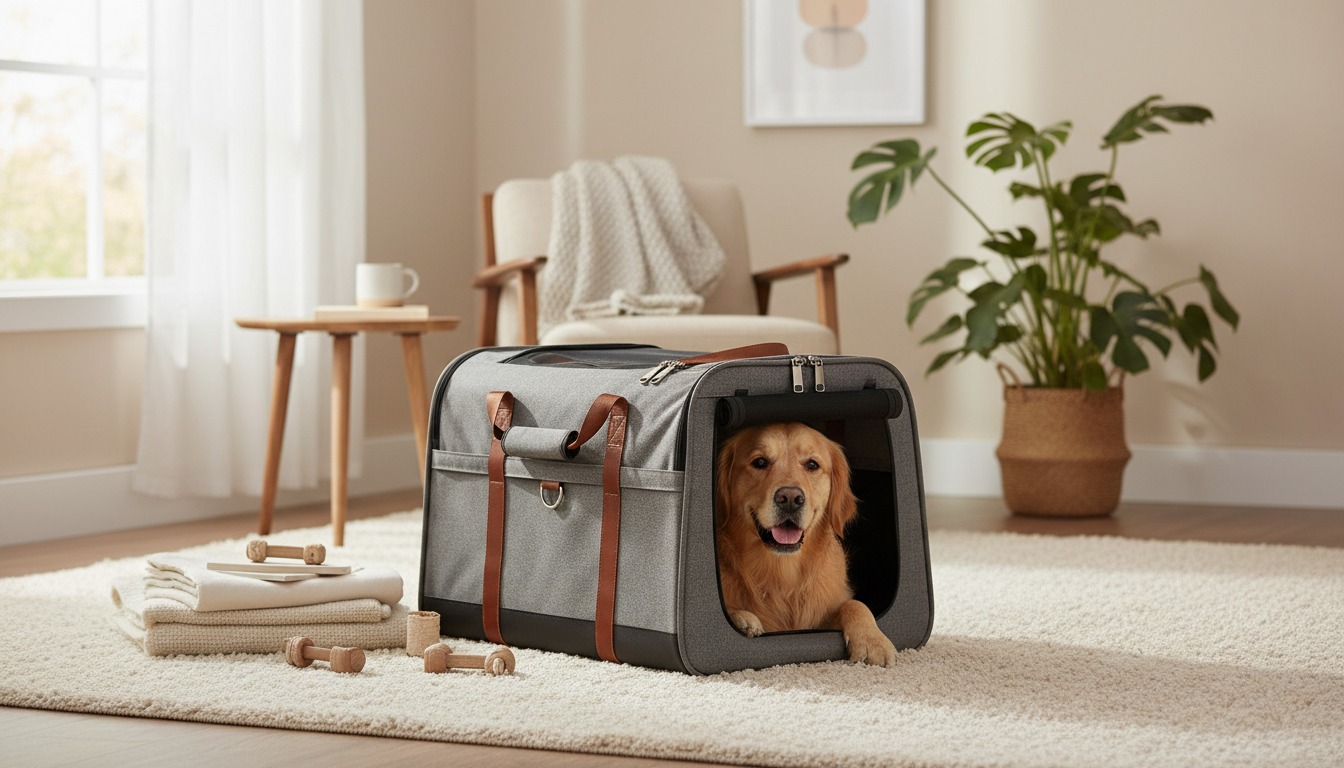
While our Seashell Carrier Bag is designed for small to medium companions, the same King Wuff standards of comfort, quality, and safety inspire all our travel choices. For design details and cozy carry features, see our guide: Dog Carrier Bag “Seashell” in Brown.
Most dogs do best with a bed that matches their size and sleep style, offers easy-to-clean materials, and provides enough support for their joints—especially as they get older.