Below are practical points for what is the safest mattress for a crib?.
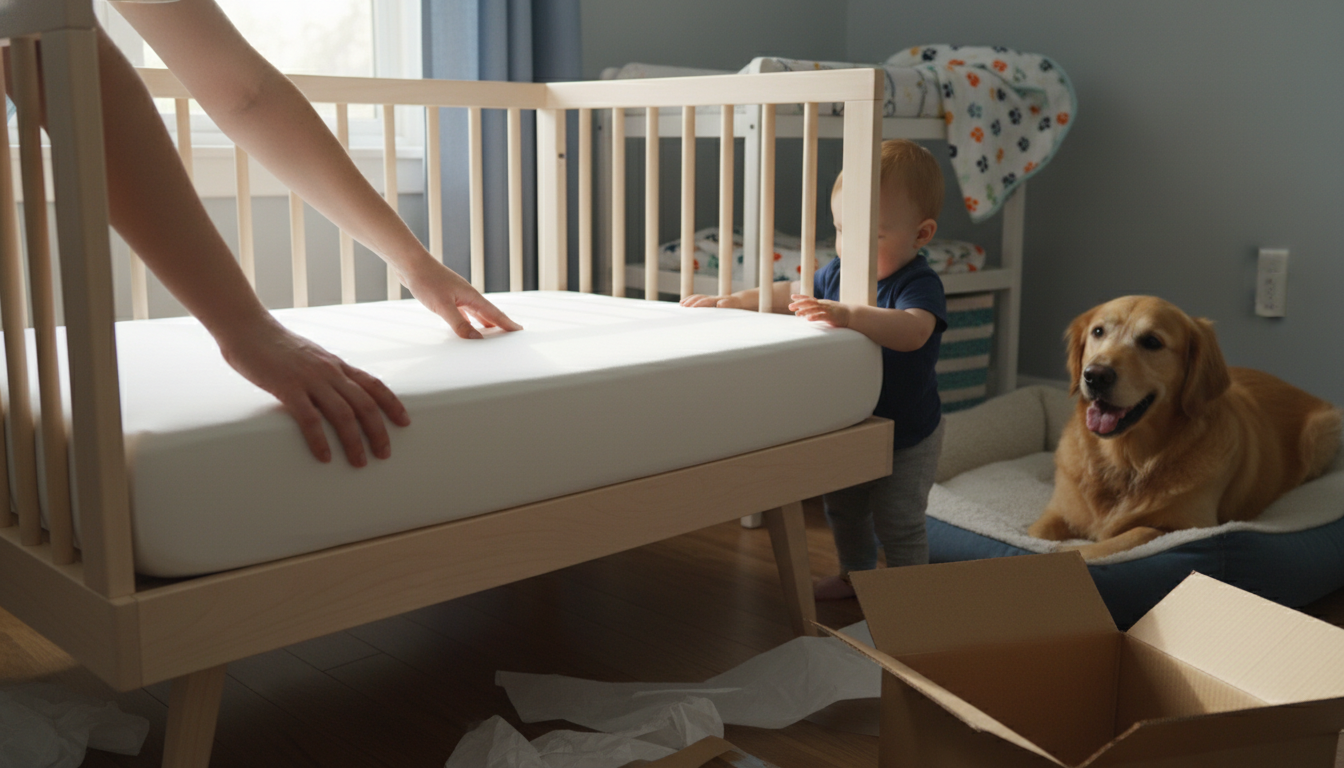
The safest mattress for a crib is a firm, flat, snug-fitting crib mattress that meets current U.S. safety standards. Firmness matters most because a soft surface can conform around a baby’s face and increase the risk of suffocation. A safe crib mattress should feel sturdy with very little “give” when pressed, then quickly spring back.
Look for a mattress specifically made for cribs (not a makeshift pad or an adult topper) and confirm it complies with applicable federal safety rules. A good rule of thumb is fit: once the mattress is in the crib, there should be no more than two fingers of space between the mattress edge and the crib frame. Gaps can trap a baby’s head or limbs.
Materials and construction also play a role in everyday safety and comfort. Many parents prefer low-odor materials and coverings that are easy to clean, since accidents and spit-up happen. A waterproof, wipeable cover (or a built-in water-resistant surface) can help keep the sleep area more hygienic—just avoid adding extra soft layers on top of the mattress. The safest setup is simple: a firm crib mattress with a tight-fitting crib sheet, and nothing else (no pillows, quilts, or thick pads).
Breathable design features can be a nice bonus, but they don’t replace firmness and proper fit. If choosing between “extra plush” and “extra supportive,” pick supportive. Also, avoid using used mattresses if you can’t verify their condition; sagging, tears, or mold can create hazards and reduce support.
If you like the idea of a sleep surface that prioritizes stability and easy cleanup, the same principles show up in well-made pet sleep gear too—firm support, non-slip design, and washable materials are all part of safer rest. For a practical take on washable, grippy sleep surfaces (for pets at home or on the go), see this guide to washable, non-slip bed mattresses and pads.
Most dogs do best with a bed that matches their size and sleep style, offers easy-to-clean materials, and provides enough support for their joints—especially as they get older.