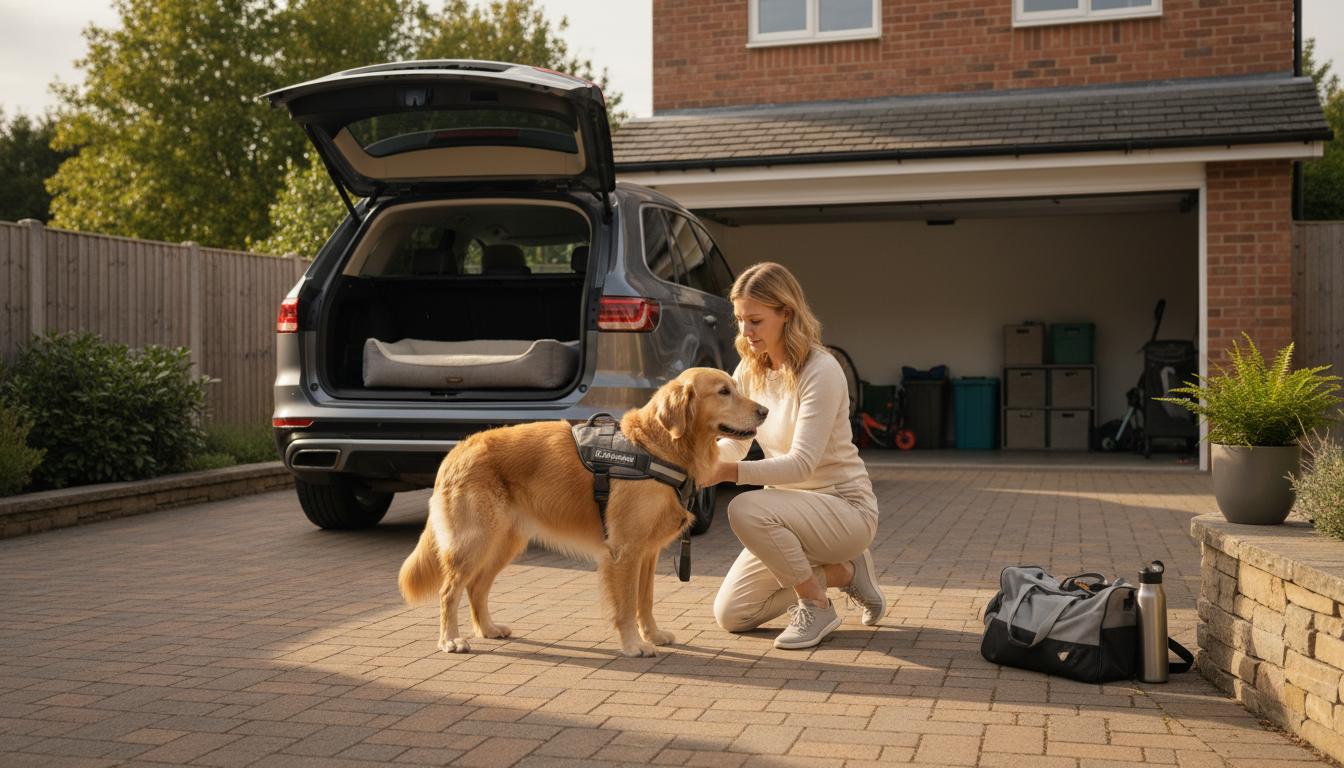
The safest crash-tested dog harness is one that’s been evaluated by an independent testing program and fits your dog correctly every single ride. In real-world terms, look for harnesses that have documented crash test results (not just “strong” materials), use vehicle-grade hardware, and are designed to distribute force across the chest and torso rather than concentrating it at the neck.
Two of the most trusted independent standards pet owners look for are testing aligned with the Center for Pet Safety (CPS) protocols and harnesses that have published crash-test data for specific sizes. A harness can be excellent on paper, but if the size is off or the tether setup is wrong, safety drops quickly—so “safest” is always the best-tested option that truly matches your dog’s measurements and your vehicle setup.
When comparing crash-tested options, prioritize these practical checkpoints:
Crash-tested harnesses are a great solution for many dogs, especially medium to large pups. For small dogs, a crash-tested carrier or car seat can be an even cozier option when it’s designed to keep the body contained and supported. If your dog prefers a den-like space or naps on trips, a well-built travel seat can add both comfort and stability.
For a deeper look at safe, comfortable ways to ride with your pup—especially for smaller dogs—visit this guide to dog car seats and carriers.
Avoid harnesses with no published crash-test data, flimsy plastic hardware, or designs that allow twisting, slipping, or pressure on the throat. If the fit can’t be adjusted securely or the stitching looks light, choose a sturdier option.
Some Kurgo harness models are marketed with crash-testing claims, but results and coverage can vary by product and size. Always confirm the exact model, the testing details, and your dog’s weight range before buying.
Some trainers avoid certain harnesses because they can encourage pulling or restrict shoulder movement if poorly designed or fitted. A well-fitted, Y-front style harness is often preferred for comfort and natural movement.