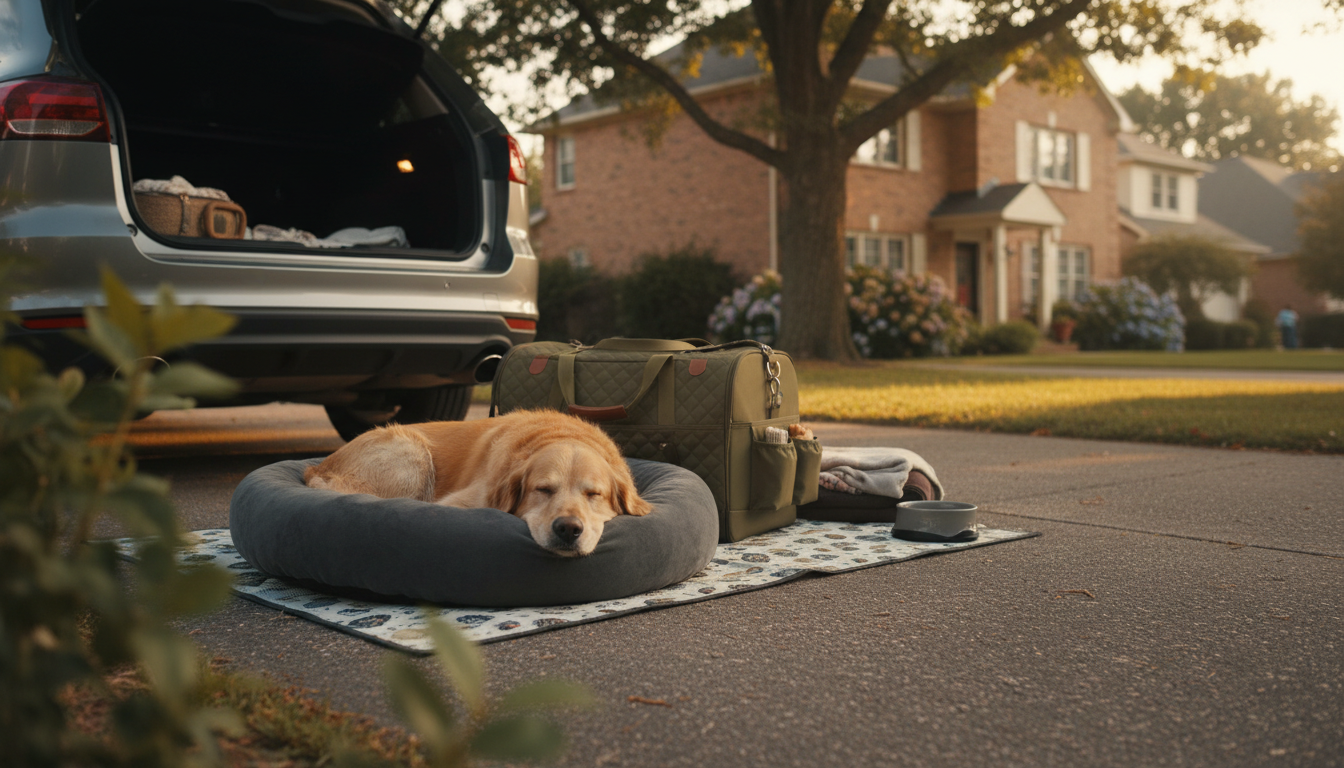
The most comfortable sleeping position for a dog is the one that lets their body fully relax while keeping them feeling safe. Many dogs sleep best curled up in a “donut” shape, with paws tucked and spine gently rounded. This position helps conserve warmth, supports joints, and gives a naturally cozy, protected feeling—especially for dogs that like to burrow.
Some pups sprawl out on their side with legs extended when they feel secure and cool enough. Others sleep on their back (belly up) to release heat and stretch their hips and shoulders—often a sign of deep trust. If your dog changes positions through the night, that’s normal; it’s how they regulate temperature and relieve pressure points.
Instead of trying to “train” a specific position, focus on giving your dog the right surface and shape for their instincts:
If your dog seeks out corners, hides under blankets, or nudges pillows into place, a cave-style bed can feel instantly “right.” For a cozy option that matches that natural den preference, see the full guide here: https://kingwuff.com/blog/guide-dog-bed-snuggler-beige-black-cozy-cave-bed/.
A sudden change—like avoiding lying on one side, repeatedly shifting, or sleeping upright—can point to stiffness or soreness. If restlessness continues for several nights, it’s worth checking for signs like limping, sensitivity to touch, or trouble getting comfortable.
Most dogs find curled-up sleeping especially comfortable because it feels secure and helps them stay warm. Side sleeping can be just as restful when they feel safe and supported.
Common signs include frequent position changes, panting, whining, trembling, or reluctance to lie down. If your dog seems unable to settle or acts sore in the morning, consider contacting a veterinarian.
The best position is the one your dog chooses when they’re relaxed—curled, on their side, or belly up. A supportive bed that matches their sleep style helps them stay comfortable longer.