Best Ways to Travel With a Large Dog: Safety & Tips
What is the best way to travel with a large dog?
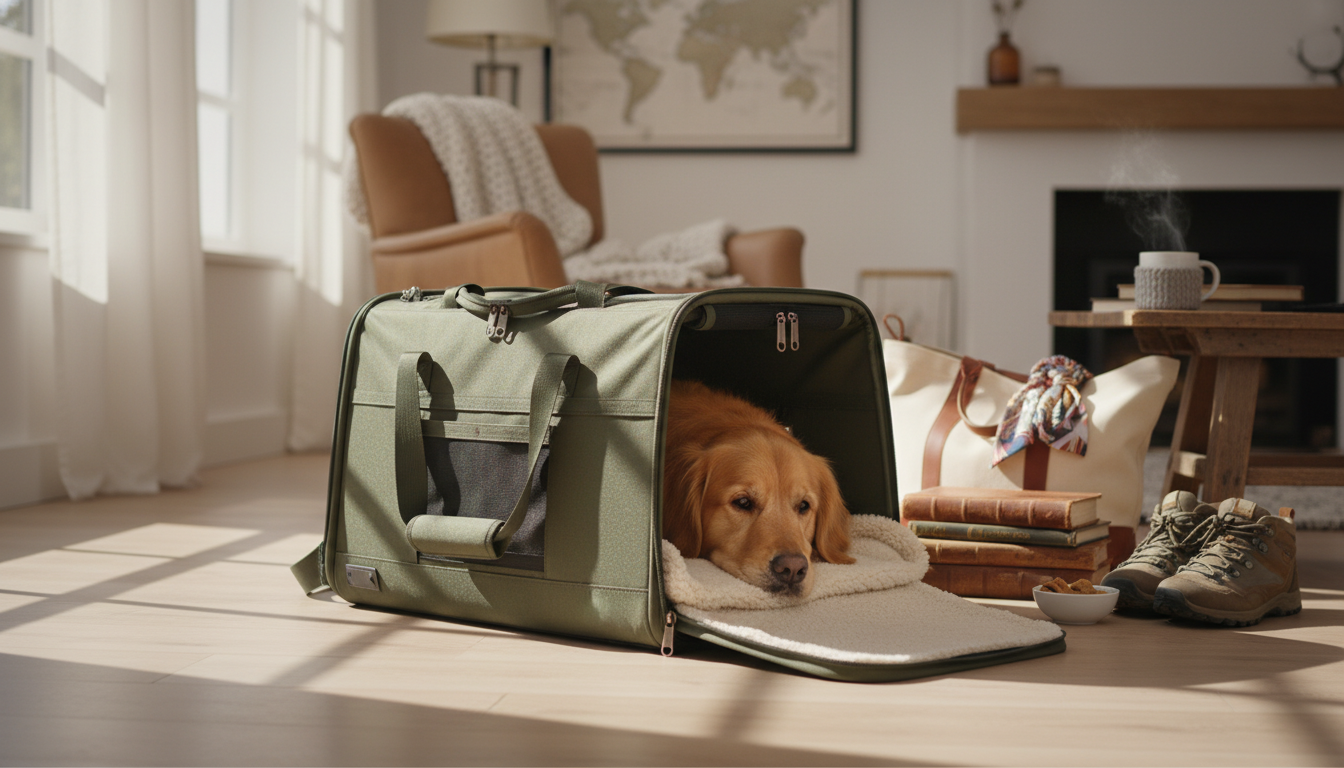
Traveling with a large dog can be joyful and stress-free with the right prep, routine, and gear. Start with comfort and safety: a crash-tested car harness attached to a seat belt or a well-ventilated, appropriately sized crate keeps your dog secure and reduces anxiety. Add cozy bedding and familiar scents to create a calm, home-like space on the go.
Plan for comfort and routine
- Pre-trip exercise: A brisk walk or play session helps take the edge off before you hit the road.
- Acclimate early: Let your dog spend short, positive sessions in the car or crate before longer travel.
- Stick to the schedule: Maintain feeding and potty times to prevent stomach upset and accidents.
Safety first in the car
- Secure your dog: Use a crash-tested harness or a crate anchored to the vehicle. Avoid letting your dog ride loose or with their head out the window.
- Climate control: Keep the cabin cool, use sunshades, and offer water regularly. Never leave your dog unattended in a parked car.
- Rest stops: Plan breaks every 2–3 hours for water, stretching, and potty time.
Smart packing for big dogs
- Essentials: Collapsible bowls, ample water, high-value treats, waste bags, a towel, and a first-aid kit.
- Organization: A dedicated dog travel bag—like the Tail Traveler—keeps leashes, meds, and accessories tidy and within reach.
- ID and records: Up-to-date tags, microchip info, and vaccination records for hotels or emergencies.
Stays and flights
- Pet-friendly lodging: Confirm size limits, fees, and house rules; bring a mat or travel bed to define your dog’s space.
- Air travel: Large dogs often fly in cargo; research airline policies, crate requirements, weather embargoes, and breed restrictions well in advance.
For a deeper checklist and pro packing tips, read the full guide: How to Build the Perfect Dog Travel Bag.
FAQ
Map breaks every 2–3 hours, secure your dog with a crash-tested harness or anchored crate, and keep water accessible. Feed smaller, earlier meals to avoid car sickness and bring familiar bedding to reduce stress.
Choose car travel when possible, prioritize restraint and ventilation, and pack organized essentials for quick access. Confirm pet-friendly stops and practice short trial drives before the big trip.
It’s a guideline: 3 days to decompress, 3 weeks to learn the routine, and 3 months to fully settle. Be patient, keep a consistent schedule, and reinforce calm behaviors.