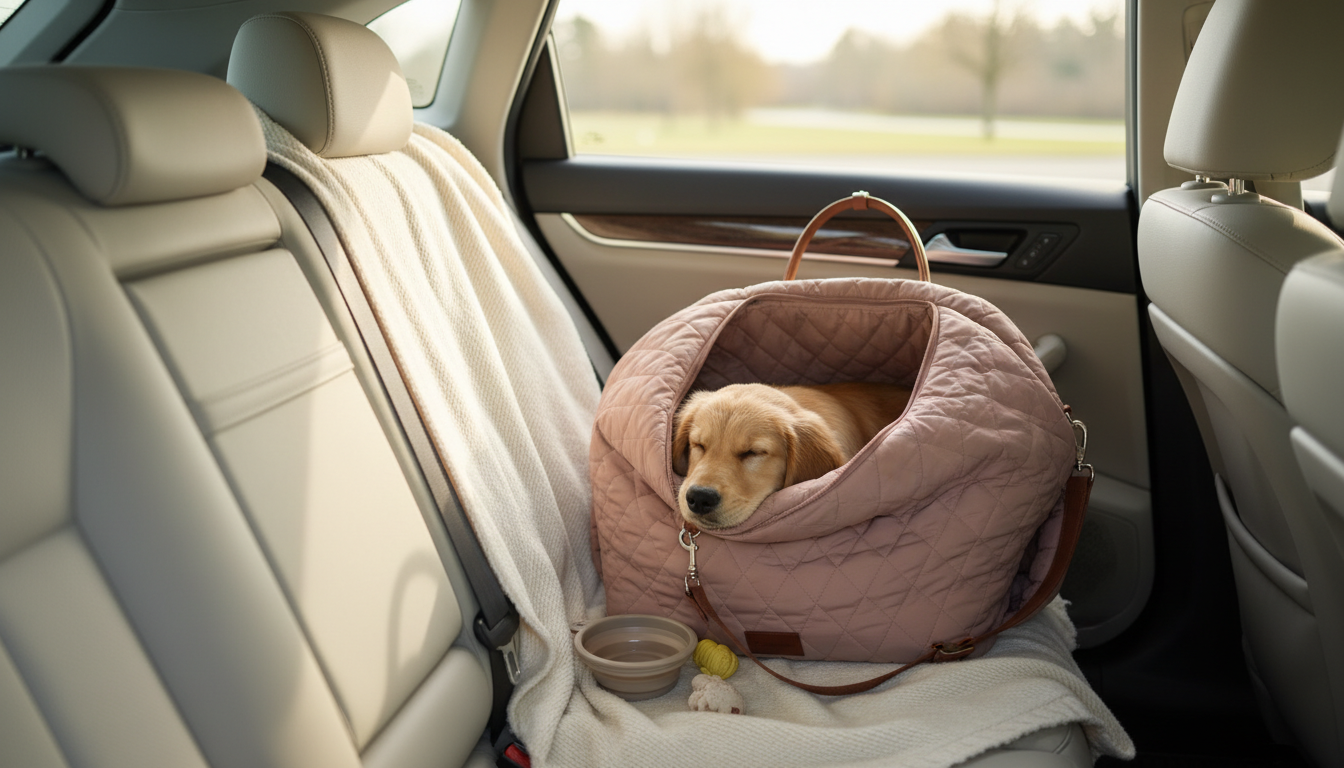
The safest, most comfortable way to transport your dog in a car is to keep them secured in the back seat with a crash-tested setup that suits their size and temperament. For small to medium pups, a structured booster-style carrier that anchors to the vehicle seat and attaches to a well-fitted harness helps maintain stability, reduce anxiety, and prevent dangerous roaming. For larger dogs, a sturdy, crash-tested harness tethered to the vehicle’s seat belt or a reinforced travel crate placed on the back seat or cargo area (in SUVs) provides dependable restraint.
Always secure your dog with a harness-based restraint—never by a collar—and keep them in the rear seat away from airbags. The goal is to limit forward motion in sudden stops while giving your dog a cozy, defined space. A padded carrier or car seat with high sides helps smaller dogs see out and settle in, reducing motion sickness.
Layer the space with soft, grippy bedding and add familiar scents like a favorite blanket. Good carriers balance structure with cushioning to reduce vibration and road noise. Proper ventilation is essential: keep airflow steady and the cabin at a comfortable temperature. Offer water on longer trips and plan regular breaks for stretching and bathroom needs.
Introduce the carrier or car seat at home first. Let your dog explore it with treats, then take short drives that end on a positive note. Gradual exposure builds trust and makes longer trips smoother.
For a cozy, secure ride that blends safety with style, explore our premium travel options designed for pet comfort and durability. Read the full guide and product details here: King Wuff: Dog Car Seat Carrier Bag “Puff Puppy”.
Rotate safe chew toys, offer puzzle treats during breaks, and keep a familiar blanket nearby for comfort. Maintain a calm, steady driving style and schedule stops every 2–3 hours for sniffing, water, and bathroom breaks.
Yes. A crash-tested harness attached to the seat belt or to a secure car seat or carrier helps prevent injury and keeps your dog from moving around the cabin. Avoid tethering to a collar, which can strain the neck.
Keep the cabin cool and well ventilated—generally in the 60–70°F range. Never leave your dog unattended, as temperatures can climb dangerously fast even on mild days.