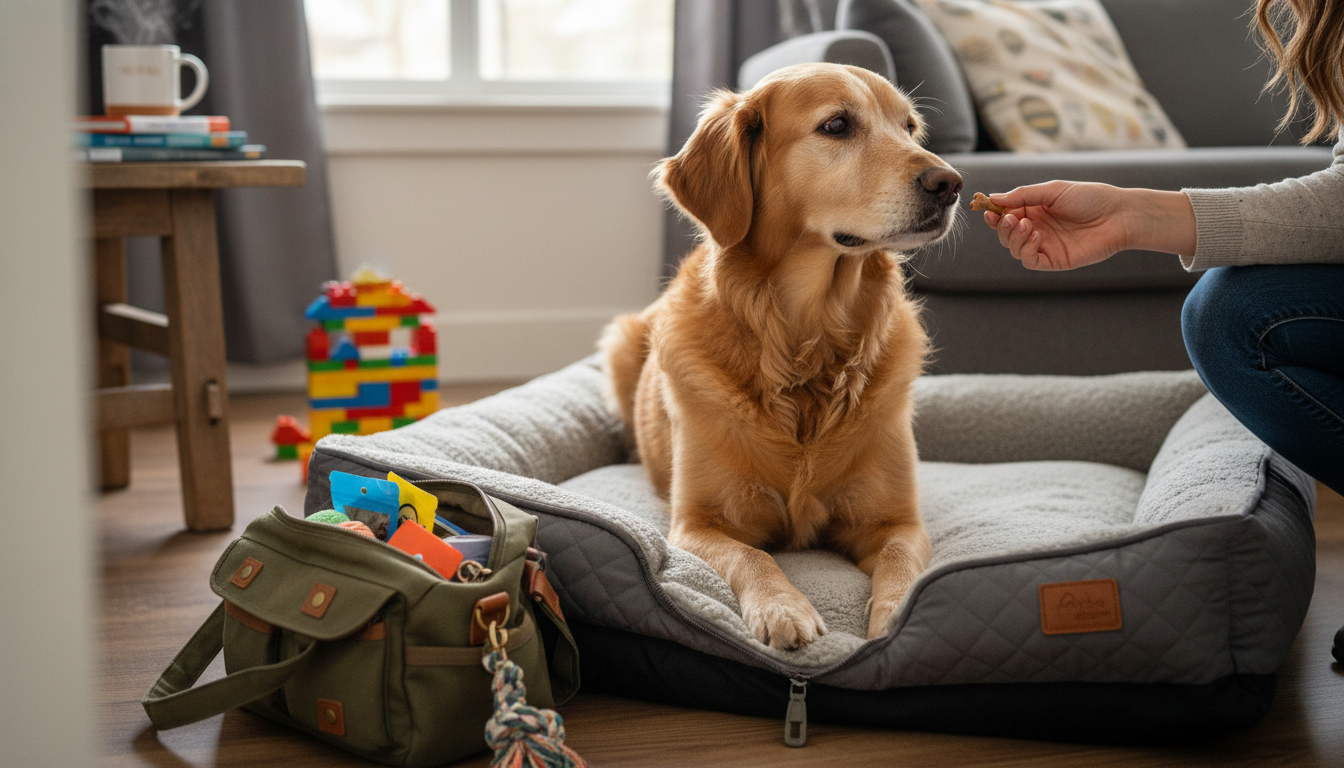
The “7 second rule” for dogs is a simple training idea: give your dog about seven seconds to respond to a cue (like “sit,” “come,” or “down”), then follow through with help or a reset instead of repeating the command over and over. It’s not a strict scientific law—more of a practical guideline that encourages clear communication, faster learning, and less frustration for both of you.
Dogs learn best when cues are consistent and consequences are immediate. If you ask for “sit” and then keep saying it—“sit… sit… SIT”—your dog may learn that the first cue doesn’t matter, or that waiting you out is part of the game. A short, steady window (around seven seconds) helps your dog connect the cue with the expected action.
If your dog hasn’t responded, calmly help them succeed. That could mean using a lure (a treat guiding their nose up and back for “sit”), stepping closer, reducing distractions, or gently guiding them into position if that’s part of your training style. Then reward the moment they do it correctly.
This approach is especially helpful with puppies, excitable dogs, or in distracting environments like parks, busy sidewalks, and travel days. The goal is to set your dog up for quick wins—short cues, clear follow-through, and plenty of praise.
Training tends to go smoother when dogs feel secure and well-rested. A supportive bed can make downtime truly restorative—especially for small dogs and puppies who benefit from a snug, safe spot between play sessions and practice. For tips on choosing a comfy, calming bed, visit this guide to a round dog bed for small dogs and puppies.
Most dogs do best with a bed that matches their size and sleep style, offers easy-to-clean materials, and provides enough support for their joints—especially as they get older.