Below are practical points for what is the 333 rule for dogs moving?.
The 3-3-3 rule is a gentle guideline that explains how dogs typically adjust when they move to a new home or routine. It breaks the transition into three milestones: 3 days, 3 weeks, and 3 months. In the first 3 days, many dogs feel overwhelmed—expect extra caution, rest, or mild stress behaviors as they figure out what’s safe. By 3 weeks, your dog starts learning the new rhythms: where to sleep, when to eat, and how walks and car rides work. Around 3 months, most pups feel at home, showing their true personality and settling into your family’s routine.
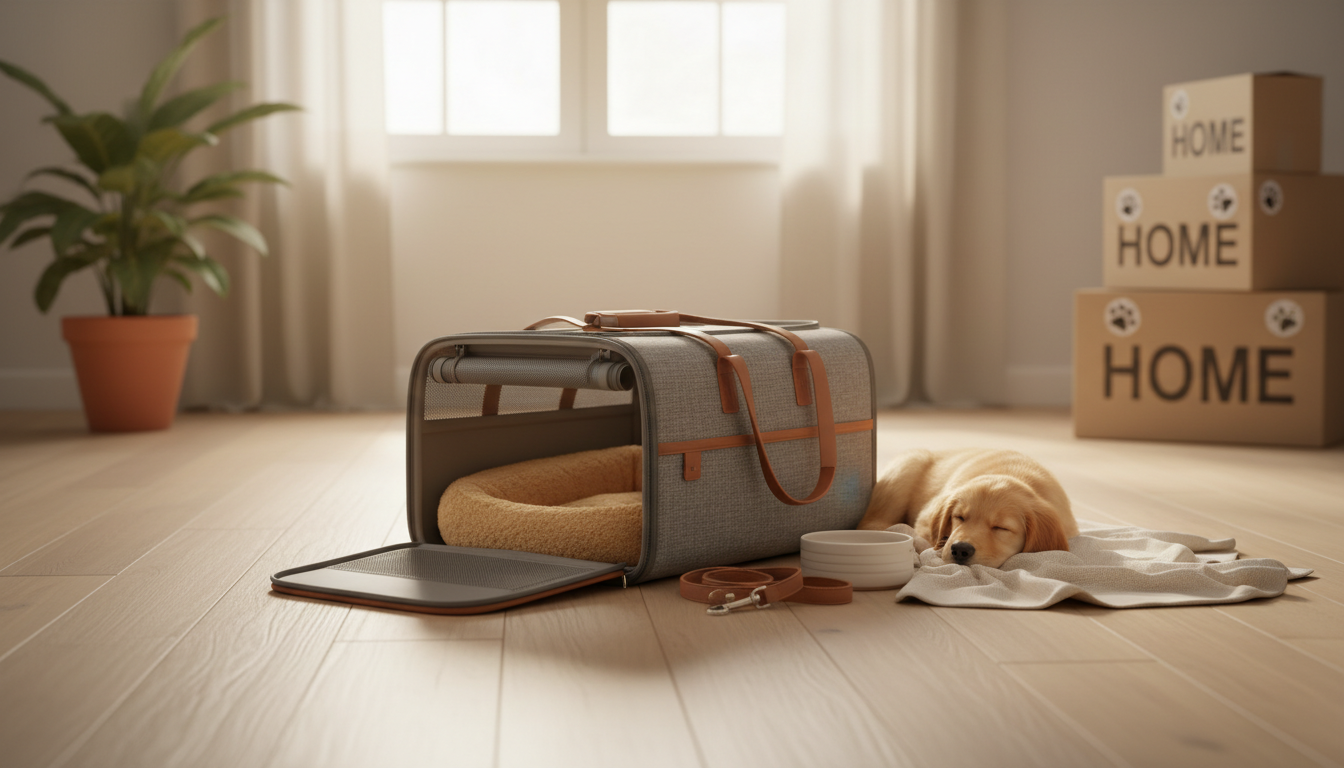
While every dog is unique, the spirit of the 3-3-3 rule is patience. Keep things predictable, offer comforting spaces, and let your dog decompress. For travel days, especially during a move, familiar scents and a secure setup make a big difference. A cozy, well-structured car seat carrier helps reduce anxiety by creating a safe “den” on the go, keeping your dog snug, supported, and secure.
If you’re planning a road trip or a cross-town move, a premium, well-padded carrier like the Puff Puppy can help your dog feel calm and comfortable. It doubles as a travel bed, supports safe restraint, and brings home-like comfort to the back seat—so your pup can relax while you focus on the drive. Consistency, comfort, and safety are the keys to a stress-free transition.
For more details on creating a comfy, secure ride for your dog, explore our guide and product features here: Read the full Puff Puppy guide.
The 3-3-3 rule suggests it takes about 3 days to decompress, 3 weeks to learn routines, and 3 months to fully settle in and show true personality. It’s a reminder to go slow and keep expectations realistic.
It encourages patience and structure. By focusing on calm environments, predictable schedules, and secure spaces—like a comfy car seat carrier during travel—you help your dog feel safe while they adapt.
It frames anxiety as a normal part of transition. Support your dog with gradual introductions, positive reinforcement, and safe, cozy spaces so anxiety decreases over those first days, weeks, and months.