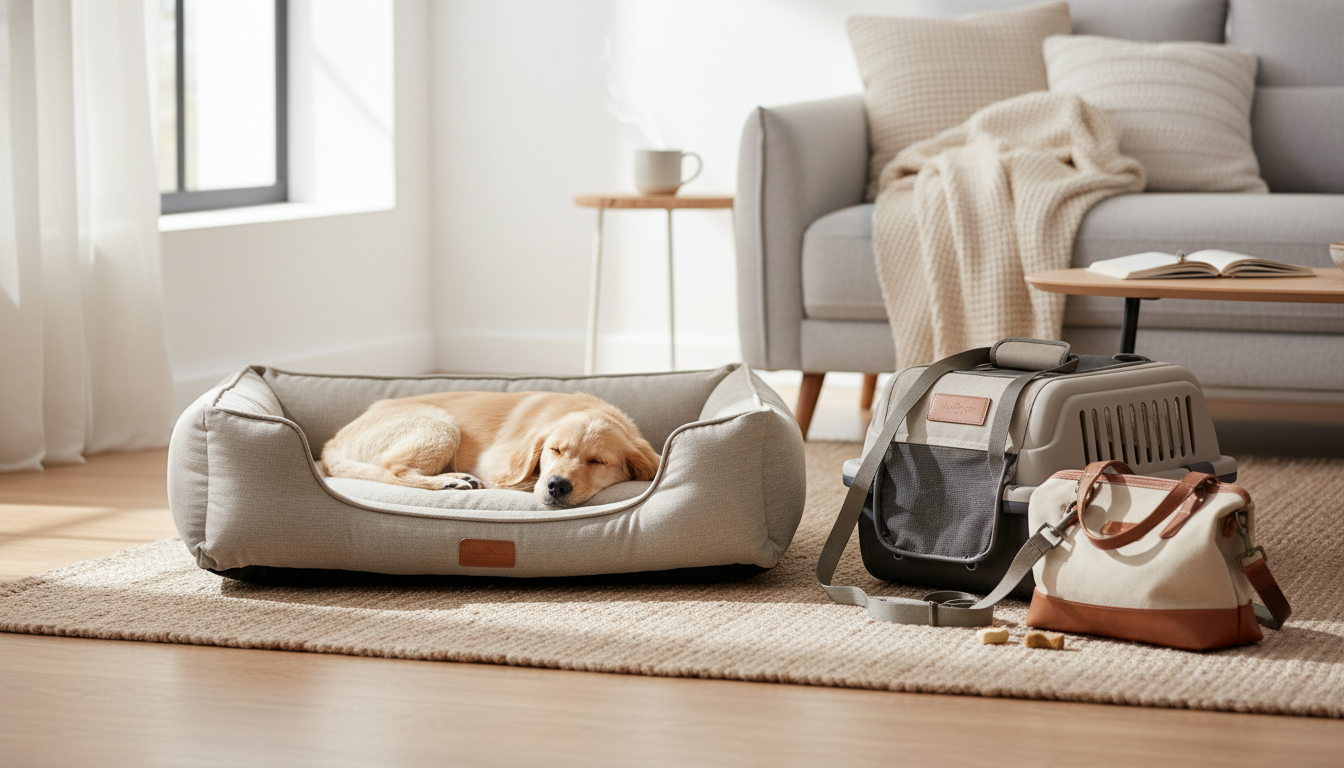
The “10–10–10 rule” isn’t a formal veterinary guideline, but many trainers and dog parents use it as an easy, balanced routine: 10 minutes of focused training, 10 minutes of play or enrichment, and 10 minutes of calm downtime. This simple rhythm keeps sessions short, fun, and achievable—perfect for maintaining your dog’s focus without overloading them.
First 10: Training. Keep it upbeat and clear. Practice sits, downs, recalls, and handling skills. Use tiny treats and mark successes quickly. End on a win.
Second 10: Play or enrichment. Switch to tug, fetch, sniff-and-search games, or a food puzzle. This releases energy and builds confidence.
Third 10: Calm reset. Settle on a bed or in a comfy carrier, practice “place,” offer a lick mat, and reward calm behavior. This helps dogs learn to relax after excitement—key for good manners at home and on the go.
Short blocks prevent frustration, support learning through variety, and teach your dog to transition between high and low arousal. It’s especially handy before car rides: quick training to focus, a play burst to take the edge off, then a calm settle so your pup is ready to ride safely.
Before heading out, run one 10–10–10 cycle and then secure your dog for the drive. A cozy, crash-conscious setup helps your pup feel safe and relaxed. For an all-in-one travel comfort solution, see our guide to the Puff Puppy Dog Car Seat Carrier Bag for safe, comfy trips. Learn more here: Read the full Puff Puppy guide.
The 10–10–10 rule is flexible. Puppies and seniors may need shorter blocks (5–5–5), while high-energy dogs might enjoy a longer enrichment segment. Always watch your dog’s body language and adjust.
It’s a bite-sized routine—10 minutes of simple training, 10 minutes of play or enrichment, and 10 minutes of calm settling. For young puppies, scale it down (for example, 5–5–5) and keep sessions positive and brief.
Some owners use “2:1” to remember two parts exercise or enrichment to one part calm training or rest. It’s a balance reminder, not a strict standard. Always tailor activity to your puppy’s age and energy.
Most dogs need to go after waking, after eating, after play, and before bed. Puppies often need potty breaks every 2–3 hours. Keep a consistent routine and reward outdoor success immediately.