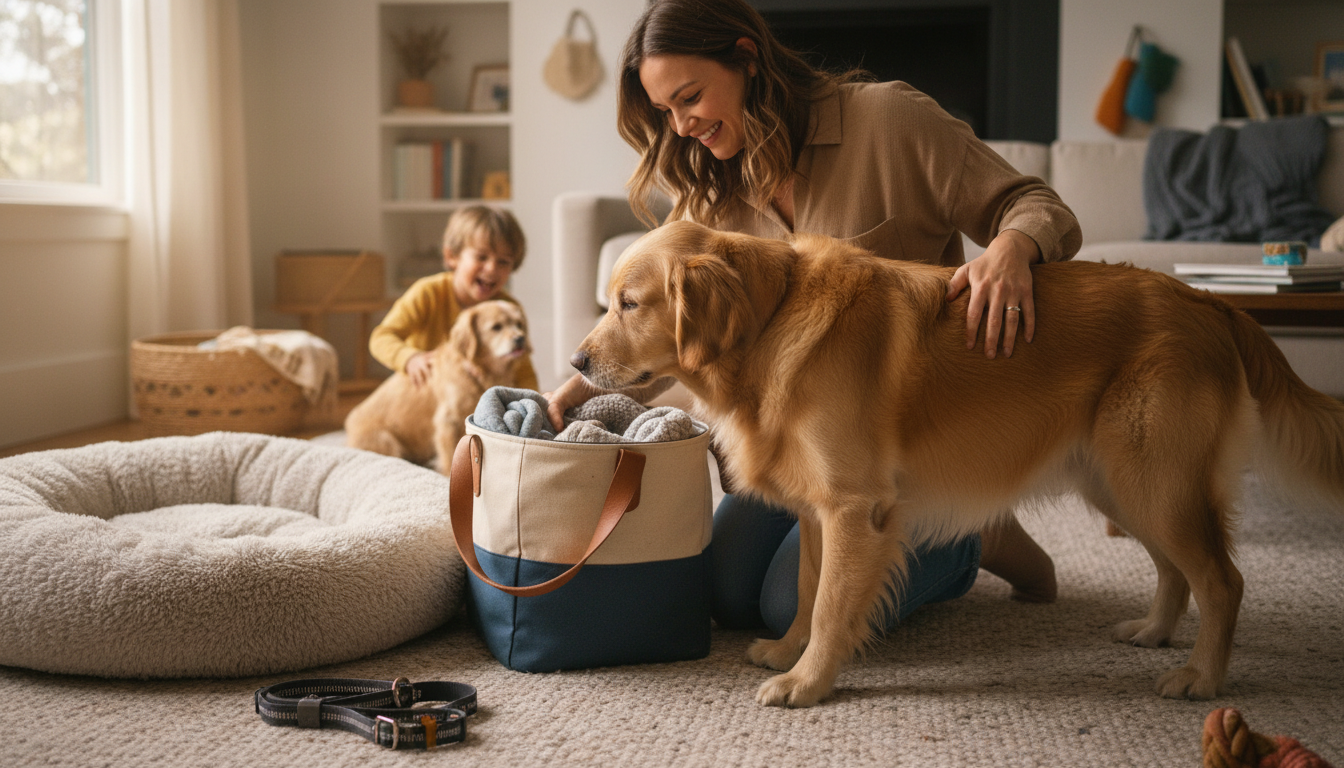
In dog language, “I love you” isn’t one single sound—it’s a bundle of calm, trusting signals that say, “You’re safe with me.” Most dogs show affection through relaxed body language, gentle closeness, and small daily rituals that build connection.
A dog who “loves you” often looks at you with relaxed, half-squinty eyes and a soft mouth (not tense or pulled back). Many dogs also offer slow blinks—an easy, peaceful signal that they’re comfortable in your presence.
Some dogs will lean their shoulder or whole body against your leg, rest their head on you, or curl up close. Others show love by simply choosing to be in the same room, following you from space to space, or settling down where they can keep you in view.
A warm greeting can look like a gentle tail wag, wiggly hips, and a relaxed posture. If your dog brings you a toy, circles excitedly, or does a little “zoom” and then quickly calms down, that’s often affection plus excitement—not stress.
Rolling over can be a sign of trust when the body is loose and the dog feels safe—though it isn’t always a request for belly rubs. Another strong “I love you” sign is a dog who can relax into quiet petting and choose to stay close.
Use a warm voice, predictable routines, gentle touch, and respect for boundaries. Comfort counts, too: giving your dog a cozy place to rest helps reinforce that feeling of safety. For home comfort ideas, see the Midnight Nest Dog Bed guide here: https://kingwuff.com/blog/guide-midnight-nest-dog-bed-cozy-clean-sleek-comfort/.
Most dogs do best with a bed that matches their size and sleep style, offers easy-to-clean materials, and provides enough support for their joints—especially as they get older.