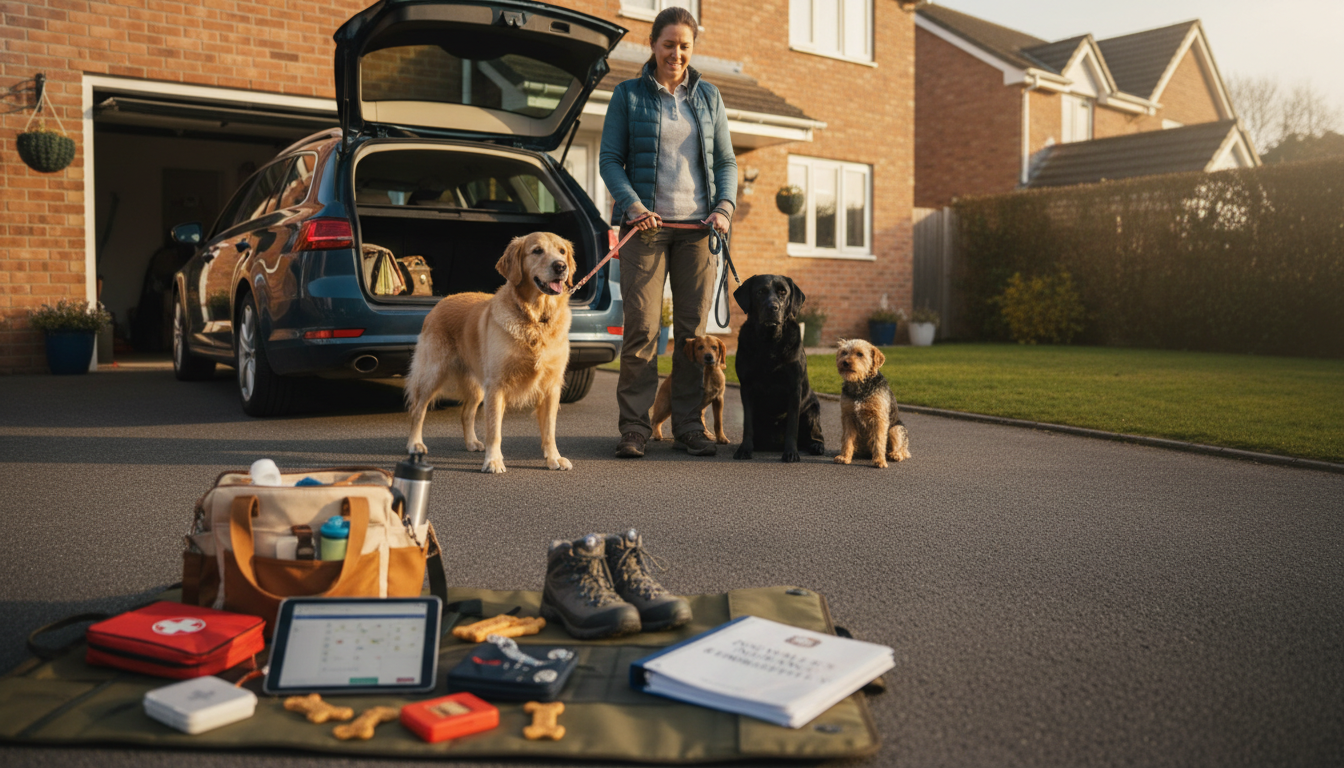
Dog walking is usually low overhead, but it’s high responsibility: you’re caring for someone’s best friend, often in public spaces, around other pets, people, cars, and unpredictable moments. The right insurance helps protect you, your clients, and the dogs you handle when real life gets messy.
General liability insurance is the foundation. It can help cover claims if a dog you’re walking causes property damage or if someone is injured (for example, a leash tangles and a passerby falls).
Professional liability (errors & omissions) can help if a client claims your services caused harm—like a mix-up with instructions, a missed medication note, or a misunderstanding about a dog’s needs.
Care, custody, and control coverage (often added to a pet care policy) is especially important because it can help with veterinary bills if a dog in your care gets injured or goes missing.
Bonding (fidelity bond) can reassure clients if you have access to homes and keys. It’s designed to address certain theft-related claims by an employee or contractor.
Commercial auto or hired/non-owned auto matters if you drive dogs to parks, trails, grooming, or vet visits. Personal auto policies may not cover business use.
Workers’ compensation may be required if you have employees, even part-time. If it’s just you, consider health insurance and disability insurance to protect your income if you’re injured.
Ask whether the policy covers off-leash incidents, dog bites, multi-dog walks, key/lock replacement, and claims that happen in a client’s home. Keep clear client agreements and emergency contacts, and stay organized on walks—having essentials close by can make a big difference. For gear tips and an easy way to carry treats, waste bags, and safety must-haves, see this hands-free dog walking bag guide.
Most dog walkers start with general liability and add care, custody, and control coverage for injuries or loss involving a dog in their care. Professional liability is also common for service-related disputes.
A pet care insurance policy typically bundles key protections like general liability and animal bailee/care coverage. If you drive for work or have access to homes, consider auto-related coverage and bonding.
It often is, especially if you set your own rates, find your own clients, and control your schedule. That usually means you’re responsible for your own taxes, insurance, and business paperwork.