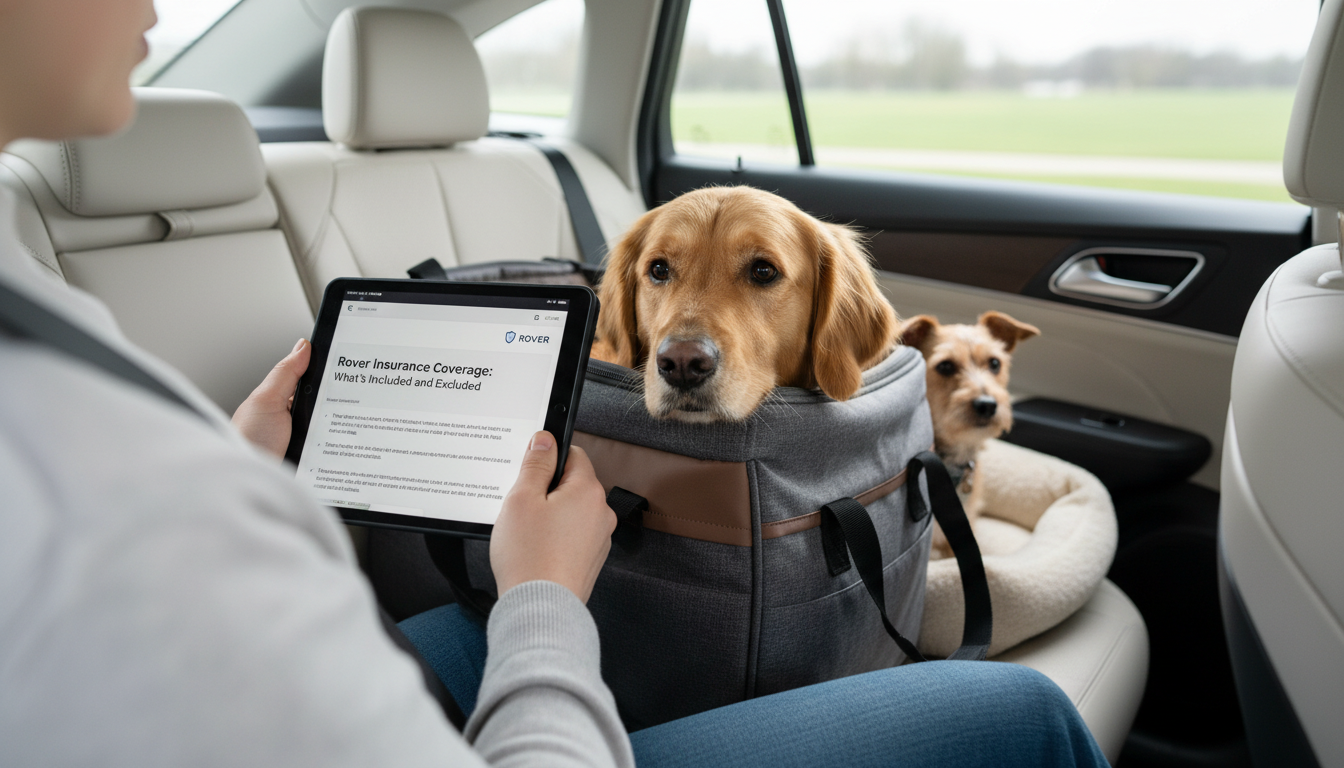
Rover (the pet-sitting and dog-walking platform) includes coverage designed to protect both pet parents and caregivers when a booking is made and paid through Rover. In general, their protection focuses on certain costs tied to injuries or damage that may happen during a scheduled service—things like a pet getting hurt, a sitter getting bitten, or property being damaged while care is taking place.
Rover’s coverage is often described as a “guarantee” rather than traditional pet insurance. That means it’s meant to help with eligible incidents connected to a Rover booking, not to replace your own pet health insurance, renters/homeowners insurance, or a caregiver’s business liability policy.
While the exact details can vary by location and policy updates, Rover’s coverage commonly includes support for:
Coverage generally has limitations, exclusions, and requirements. Common examples of items that may be excluded include pre-existing conditions, routine wellness care, and incidents that occur outside the booked service window or off-platform. There may also be deductibles, caps, and documentation requirements.
Before handing over keys or a leash, confirm what’s covered for your specific service type (walks vs. boarding vs. drop-ins), what the limits are, and what steps to follow if something happens. Pairing clear expectations with the right walking setup can also help prevent mishaps on busy days.
For a practical, pet-centric way to stay organized and hands-free on walks, visit: https://kingwuff.com/blog/guide-red-rover-dog-walking-bag-hands-free-waist-pack/.
Most dogs do best with a bed that matches their size and sleep style, offers easy-to-clean materials, and provides enough support for their joints—especially as they get older.