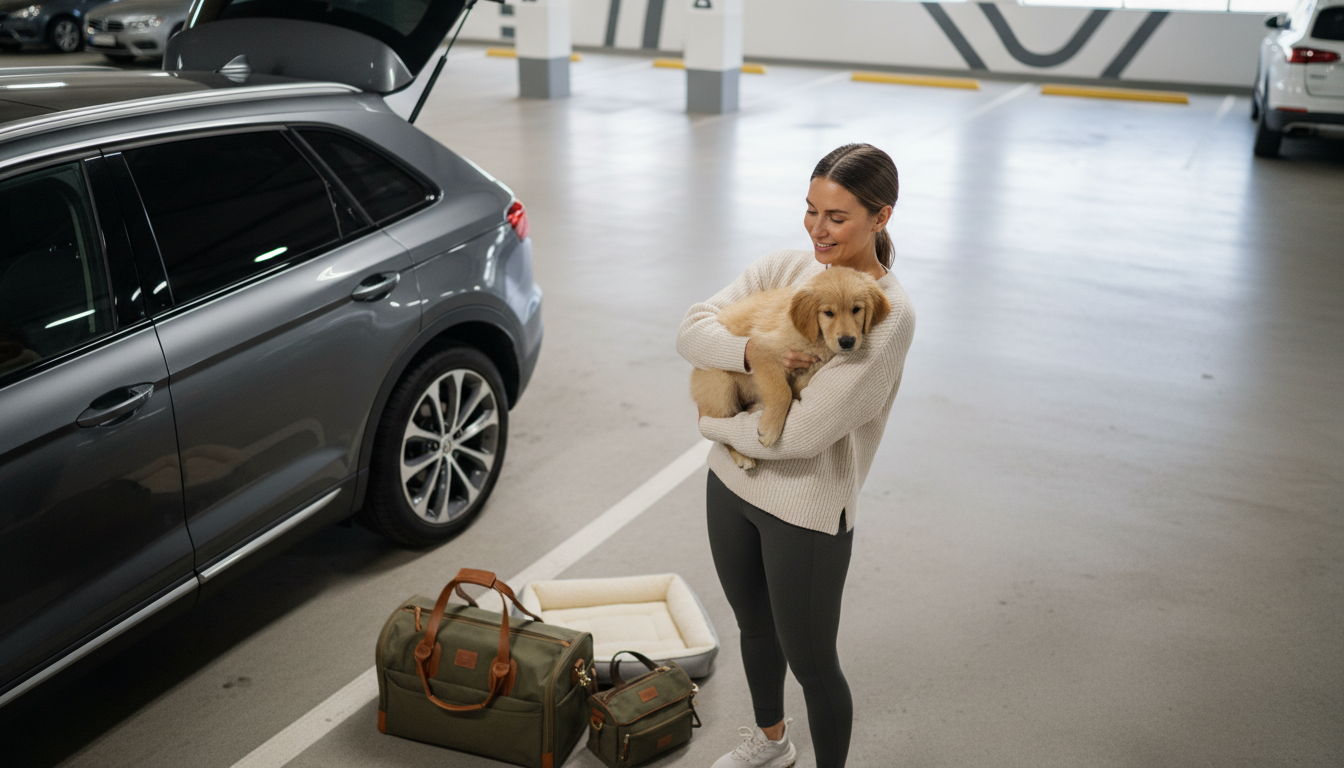
When you hold a dog, they’re usually reading a mix of signals: safety, closeness, and whether the situation feels comfortable. For many pups, being picked up or cuddled can feel like a warm “you’re with me” moment—especially if they already trust you and the hold is gentle and supportive.
That said, dogs don’t all experience being held the same way. Some interpret it as calm bonding, while others may feel restricted. Your dog’s past experiences, personality, size, and even daily mood can shape what the moment “means” to them.
Dogs communicate quickly through body language. If holding is positive, you’ll often see a soft face, relaxed jaw, normal breathing, and a loose body that settles into your arms. Some dogs lean in, sigh, or rest their head on you.
If your dog is thinking “I’m not into this,” look for stiffening, wide eyes (whale eye), lip licking, yawning, tucked tail, pinned-back ears, or trying to push away. Those signs are your cue to set them down and give them space.
Small dogs are more commonly carried, so they may be used to it and even expect it during busy or noisy moments. Larger dogs may enjoy contact but prefer it on the ground, like leaning against your legs or cuddling beside you.
Comfort also depends on how you hold them. A secure hold that supports the chest and hips tends to feel safer than lifting under the armpits or letting the body dangle. Calm, predictable handling builds trust over time.
Choose a calm environment, keep sessions short, and let your dog opt in—especially with new dogs or rescues. If you’re holding your dog for practical reasons (travel, crowded areas, long walks), a supportive carrier can help them feel protected while keeping their body well-supported.
For more tips on comfort-forward outings and gear that prioritizes pet safety, visit this guide to pet travel comfort gear and dog carriers.
Many dogs associate gentle holding with comfort and bonding, especially if they trust you. Others show love differently and may prefer closeness on their own terms.
Dogs often gravitate toward the person who feeds them, walks them, trains them, or feels most predictable and calm. Sometimes it’s just routine, scent, or a stronger history of positive interactions.
Common experiences people share include dogs feeling secure and cozy—or feeling trapped if they aren’t used to being picked up. Your dog’s body language is the best real-time answer.