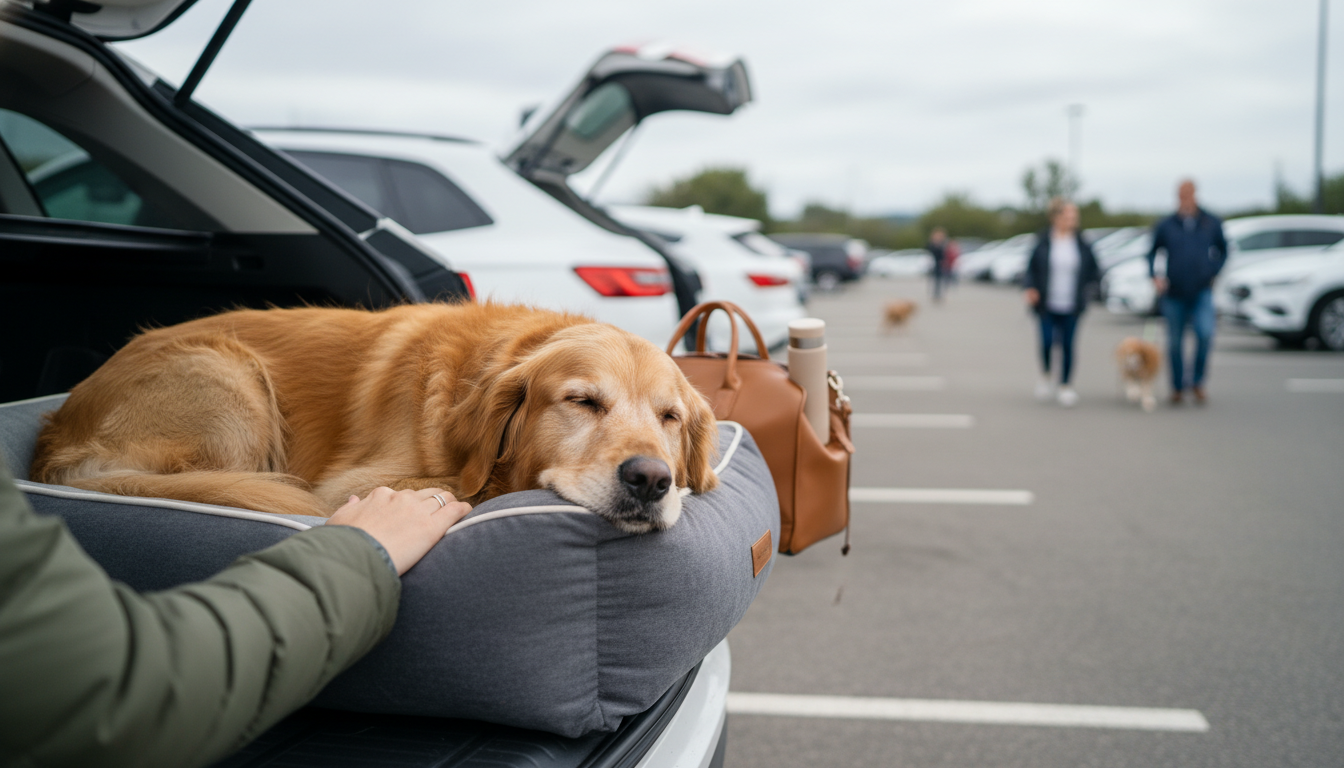
When you pet a dog while they’re sleeping, their reaction depends on how deeply they’re asleep, their personality, and how and where you touch them. Light, familiar contact can feel soothing—many dogs register it as comfort and safety, even if they don’t fully wake up. You might see a relaxed sigh, a slower tail thump, or a gentle lean into your hand as they settle deeper.
If a dog is in a deeper sleep cycle, they may not recognize your touch right away. That can lead to a startle response: a quick head lift, a sudden flinch, a stiff body, or even a sleepy “air snap” meant to create space. It’s not “mean”—it’s a reflex that happens when they wake abruptly and haven’t oriented themselves yet.
Dreaming can add another layer. Dogs often twitch, paddle their paws, or make soft noises during REM sleep. Petting during that phase may blend into the dream, keeping them calm—or it may interrupt it and wake them. If your dog seems unsettled, it’s kinder to let them finish the nap and offer affection when they’re alert.
Choose gentle, predictable touches on lower-risk areas like the shoulder, chest, or side rather than reaching over the head. Use slow strokes and avoid squeezing, hugging, or tapping. If your dog startles easily, try speaking softly first so your voice wakes them before your hand does.
For dogs that nap in busy households or while traveling, a cozy, supportive setup can make a difference—secure, den-like spaces help them rest without feeling on guard. For comfort-focused travel and home sleep tips, visit this guide to pet travel comfort gear, dog carriers, and walking bags.
Some do, especially if they’re used to it, but many prefer chest, shoulder, or back pets. Watch for soft eyes, a loose body, and leaning in as signs they enjoy it.
They may feel comforted if they recognize the touch, or startled if they wake suddenly and can’t orient right away. If they tense up or jerk awake, give them space and try again when they’re fully awake.
Closing their eyes often signals relaxation and trust, but it can also be a calming gesture if they find face or head contact intense. Pair it with body language like a loose posture to read it accurately.