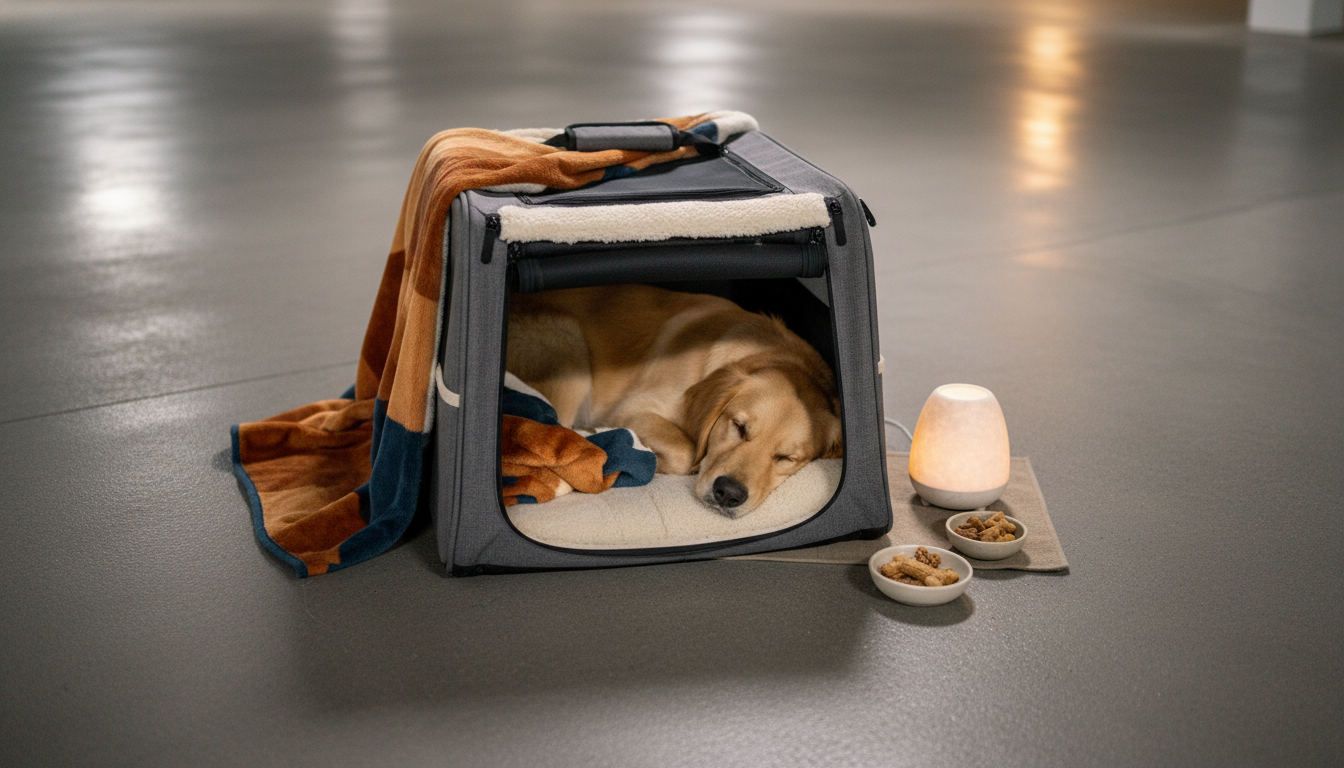
If your dog is having trouble settling at night, the safest “sleep help” usually isn’t a pill—it’s comfort, routine, and a calm sleep space. Start with the basics: a consistent bedtime, one last potty break, and a quiet spot away from late-night household traffic. Many dogs sleep better when they feel supported and secure, especially puppies, seniors, and anxious sleepers.
A supportive dog bed can make a noticeable difference overnight. Dogs that pace, reposition, or wake up often may be uncomfortable—especially on hard floors. A plush, bolstered bed gives them a cozy “nest” feel and can reduce pressure on joints and hips. For small dogs and puppies who like to curl up, a round bed with raised edges can feel soothing and help them stay put.
Light pressure or “snuggle” support can also help some dogs relax. Beds with higher sides let dogs lean in, tuck their paws, and rest their head—simple cues that encourage longer, deeper sleep.
Warmth (like a comfortably warm room or a vet-approved warming pad used safely) can help dogs who struggle to relax, especially smaller breeds that chill easily. Always avoid overheating and never use human heating devices unattended.
If your dog still can’t settle, talk with your veterinarian before giving anything by mouth. They can advise on dog-safe options such as melatonin (only with correct dosing), calming chews, or prescription support for anxiety or pain. Never give human sleep medicines or products containing xylitol, THC, or unknown “sedative” blends.
A cozy bed in a predictable location can signal “it’s time to rest.” If you’re choosing a round bed for a small dog or puppy, this guide can help you pick the right fit and features: Paw Pillow Round Dog Bed Guide.
Most dogs do best with a bed that matches their size and sleep style, offers easy-to-clean materials, and provides enough support for their joints—especially as they get older.