When your dog shows severe anxiety—trembling, pacing, destructive behavior, refusing food, or nonstop vocalizing—the first step is to speak with your veterinarian. They can rule out medical causes and recommend a tailored plan. For many dogs, a mix of behavior training, environmental comfort, and vet-prescribed medication works best.
Your vet may recommend daily anti-anxiety medications (such as SSRIs) for ongoing issues, or situational aids like trazodone, benzodiazepines, or dexmedetomidine gel for triggers like thunderstorms or travel. Never give human medication without veterinary guidance—many human meds and doses are unsafe for dogs.
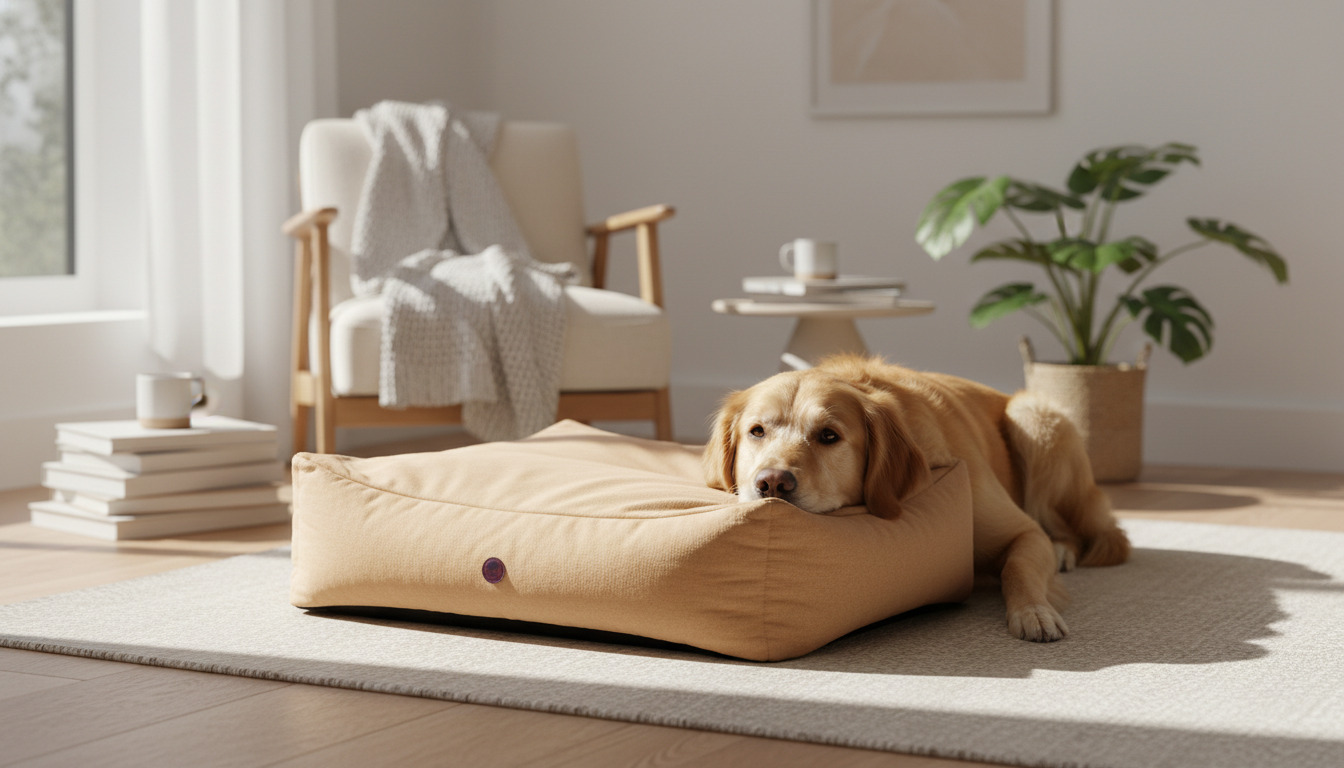
Comfort-forward gear can make a meaningful difference. A plush, pressure-absorbing bed or mat creates a stable, cozy “safe zone” that helps reduce startle responses. Our Dog Bed Cushion “Mellow Mat” is designed to soften hard floors, dampen vibrations, and support joints—ideal for anxious pups who need a soothing, familiar surface at home or by your desk. Pair with a breathable crate cover, calming chews (vet-approved), and dog-appeasing pheromone diffusers for a gentle, multi-layered effect.
Combine comfort with confidence-building habits: predictable schedules, ample exercise, and enrichment (sniff walks, food puzzles) help lower baseline stress. For noise or separation anxiety, gradual desensitization and counterconditioning—often with a certified trainer—can retrain your dog’s emotional response to triggers.
For car rides or vet visits, a well-ventilated carrier with a familiar mat, white noise or soft music, and motion-friendly support can reduce nausea and stress. Use seat restraints and keep the environment cool and calm.
If your dog self-harms, cannot settle for hours, shows aggression, or stops eating/drinking, contact your vet or an emergency clinic. Fast action can prevent escalation and keep your dog safe.
For a cozy, vet-friendly way to support your anxious pup’s daily comfort, see our full guide and tips here: Dog Bed Cushion “Mellow Mat” Guide.
Create a quiet space with a plush mat or bed, lower lights, add white noise, and offer a long-lasting chew. For known triggers, ask your vet about fast-acting, situational medication and begin desensitization training for long-term relief.
Do not give human medications unless your veterinarian specifically prescribes them for your dog and provides an exact dose. Many human drugs are unsafe for pets or require different dosing.
There’s no one-size-fits-all answer. Common supports include a calming, supportive bed or mat, predictable routines, pheromone diffusers, vet-approved calming chews, gentle music, and enrichment activities to reduce overall stress.